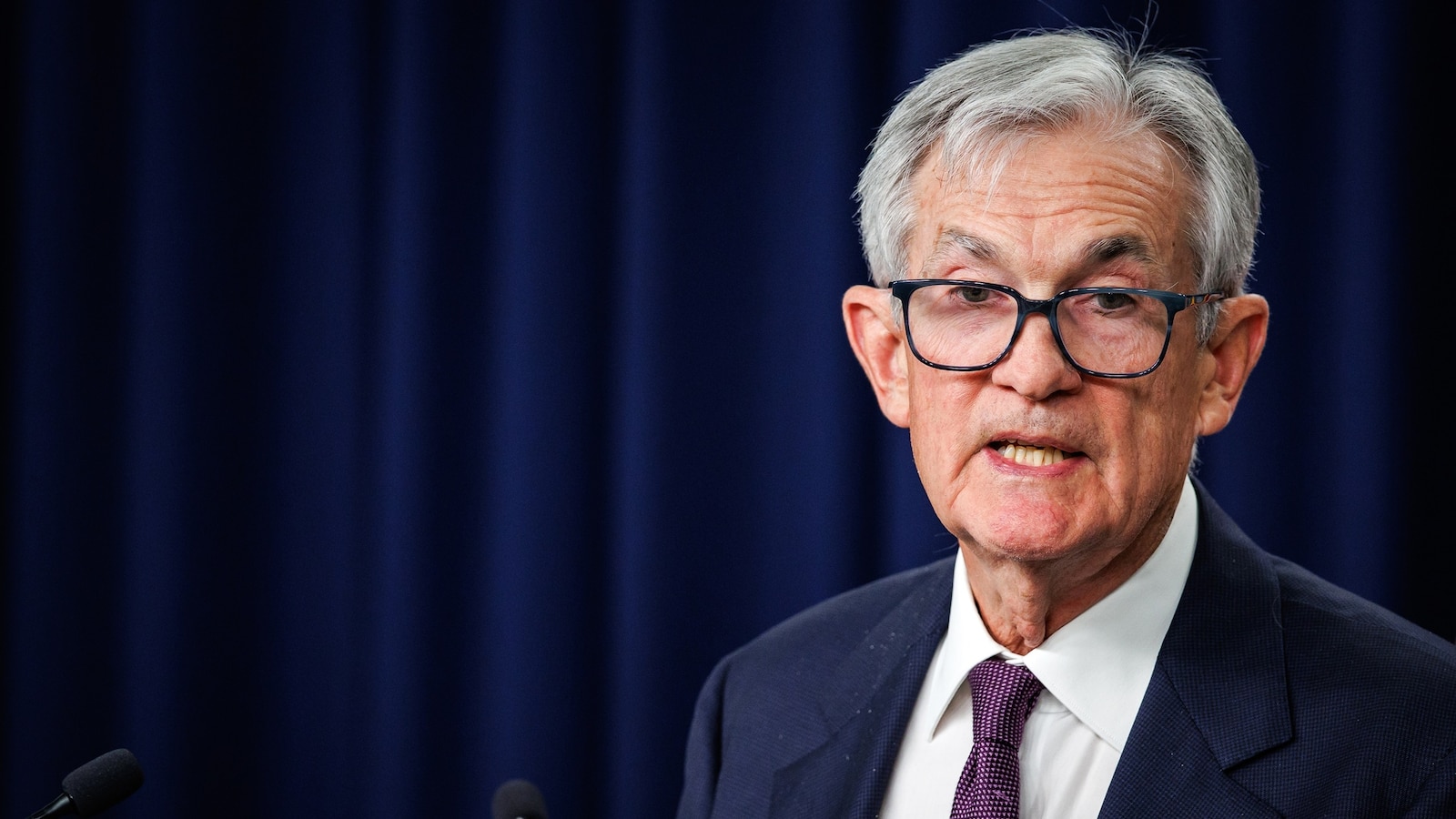
The DOJ is dropping its criminal probe of Fed Chair Jerome Powell and referring the building cost-overrun matter to the Fed’s internal watchdog, removing a key obstacle to confirming Kevin Warsh as Powell’s successor. The move follows pressure from Sen. Thom Tillis, who had blocked Fed nominees until the probe was resolved, and may help clear the Senate Banking Committee path. The decision reduces a political/legal overhang around the Fed, though it does not change near-term policy directly.
This is less about Powell specifically than about removing a procedural choke point that had allowed one senator to hold the Fed transition hostage. The immediate market read is mildly risk-on for duration and financials because confirmation probability for the next chair rises, but the second-order effect is more important: it reduces the odds of a drawn-out interregnum that could have forced the FOMC into a more defensive, status-quo posture. In other words, the cleanup of the legal overhang improves the odds of a cleaner handoff and lowers the tail risk of a governance-driven credibility event.
The bigger medium-term signal is that institutional independence is becoming an investable political variable again. If the next chair is perceived as more politically aligned, front-end rates can reprice not just on policy forecasts but on perceived reaction-function compression; that usually steepens financials via higher net interest margins while pressuring long-duration assets if term premium widens. The market may be underestimating how quickly this can bleed into USD positioning and rate-volatility carry trades if the confirmation path stays smooth into the next 2-6 weeks.
The contrarian view is that the all-clear may be premature. Dropping the probe removes one obstacle, but it does not eliminate the broader incentive to keep the Fed under scrutiny, so headlines can reappear around the inspector general review or the appeal posture, creating a stop-start confirmation process. If the Senate re-litigates the issue, the real winner may be volatility itself: rates vol, not direction, becomes the cleaner expression, because the policy path matters less than the perceived politicization premium attached to the next chair.
From a positioning standpoint, this is a better entry point for relative trades than outright duration bets: the upside from confirmation is clearer than the macro follow-through. If Warsh is confirmed and markets infer a more hawkish, growth-sensitive Fed, the first-order winners are banks and value/financials; if the process stalls, the trade unwinds into a risk-off correction and higher vol. That asymmetry argues for using options rather than cash equity beta while the calendar risk is still concentrated in the next 1-4 weeks.
AI-powered research, real-time alerts, and portfolio analytics for institutional investors.
Request TrialOverall Sentiment
neutral
Sentiment Score
0.05
