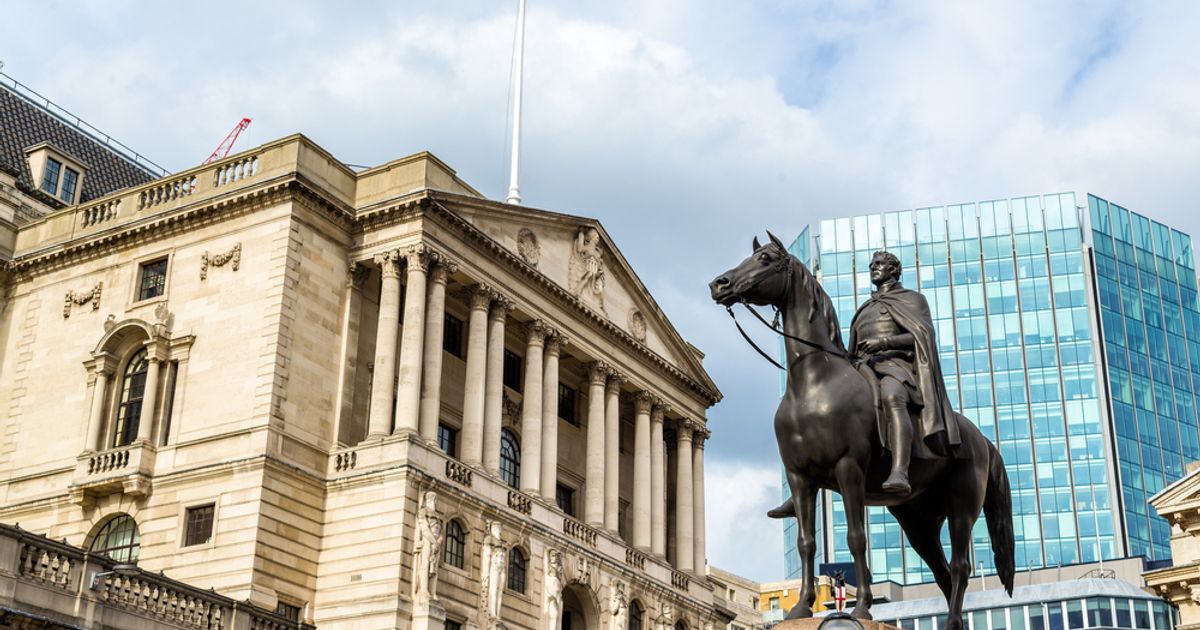
FTSE 100 fell as much as 76 points to 10,381 amid elevated geopolitical तनाव and Brent crude holding above $100 a barrel, with the Bank of England warning markets may be underpricing risk and a possible correction. UK retail sales rose 0.7% in March, but underlying growth was only 0.2% excluding fuel, suggesting consumer spending remains fragile. Stock-specific moves were mixed, with Mondi down on a 27% Q1 earnings drop, while several small caps moved on financing, drilling and operational updates.
The key market signal is not the modest index decline itself, but the combination of higher oil, firmer front-end yields, and a central bank official openly challenging equity complacency. That is a classic regime where defensives with cash conversion and explicit pricing power outperform leveraged cyclicals, while consumer-facing names with weak pass-through get hit twice: margin pressure from input costs and softer discretionary demand. In that setup, the market is likely underpricing dispersion inside the FTSE more than directionality in the index.
Energy is the cleanest second-order beneficiary, but the trade is not simply “long oil.” Integrated majors should outperform E&Ps on a risk-adjusted basis if crude stays elevated but volatile, because buybacks/dividends cushion downside if the geopolitical premium fades. The more interesting relative trade is long cash-generative energy against packaging, retail, and domestically sensitive growth names that are exposed to both higher cost bases and a less permissive rates backdrop.
The BoE warning matters because it shifts the path of least resistance in rates: sticky inflation plus energy-driven headline pressure makes it harder for rate-cut expectations to reprice quickly. That supports banks and insurers only if the curve steepens for the right reasons; otherwise the market may simply de-rate duration assets. The bigger hidden risk is that a fast geopolitical de-escalation can unwind the oil bid abruptly, which would relieve inflation pressure and likely trigger a sharp factor rotation back into consumer and long-duration equities.
The contrarian view is that the market may be too focused on the downside of higher oil and not enough on the mechanical support it gives to UK equities through profits, dividends, and the index's energy weight. If crude stabilizes rather than spikes, the damage to consumers may be manageable while energy earnings surprise positively over the next 1-2 quarters. That argues for selective, not blanket, risk reduction.
AI-powered research, real-time alerts, and portfolio analytics for institutional investors.
Request TrialOverall Sentiment
mildly negative
Sentiment Score
-0.15
Ticker Sentiment
