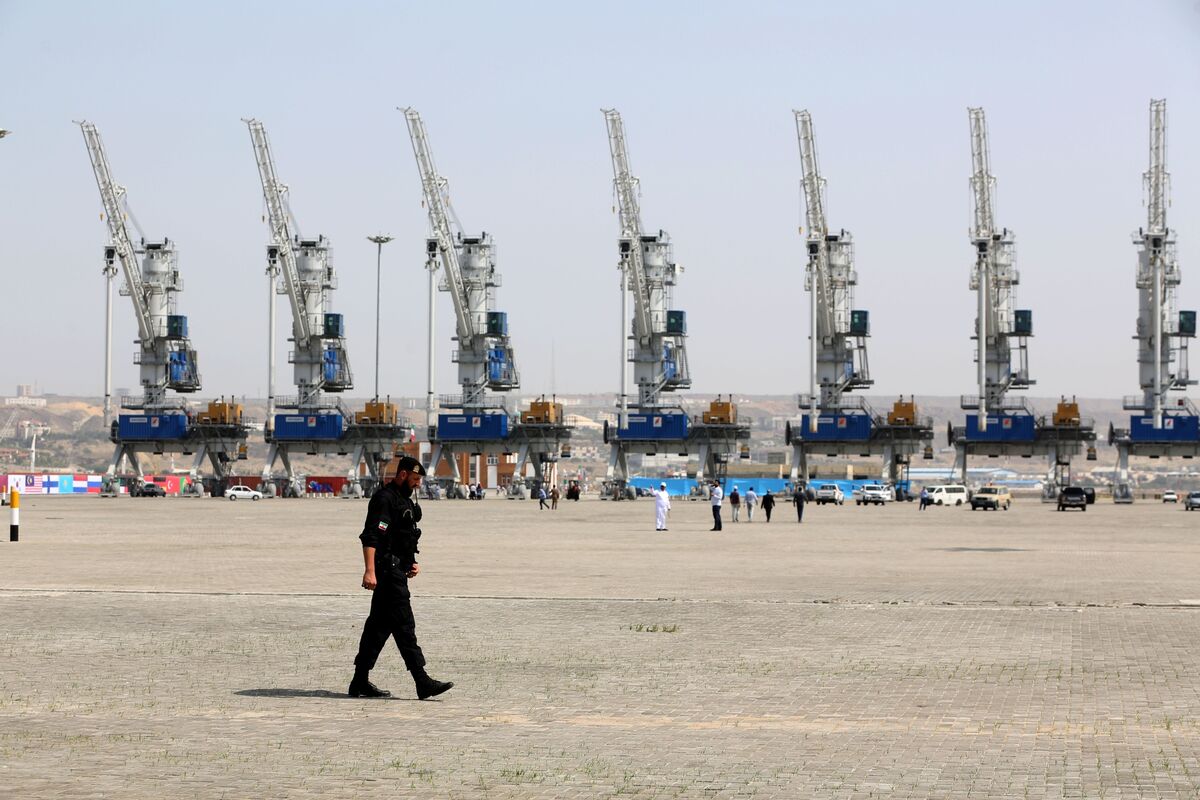
India is weighing options on its $120 million stake in Iran’s Chabahar port ahead of the expiry of a US sanctions waiver in coming days. New Delhi may temporarily transfer the stake to an Iranian entity, but does not plan a full exit because it still wants to expand rail connectivity at the harbor. The situation creates near-term sanction risk and policy uncertainty around a strategically important infrastructure asset.
The immediate market effect is less about the port itself and more about the signaling risk for India’s broader “strategic autonomy” playbook. If New Delhi is forced into even a temporary ownership reshuffle, counterparties across energy, shipping, and infrastructure will price in a higher sanctions-compliance premium on any asset touching Iran, which could slow future South Asia–Middle East logistics initiatives by months. The first-order loser is any emerging-market sponsor relying on sovereign-political continuity; the second-order loser is regional transshipment capacity, which gets pushed back toward costlier Gulf hubs.
The key tactical issue is timing: the next few sessions matter for headline volatility, but the operational consequences unfold over 1-2 quarters if rail connectivity plans are delayed or redesigned. A temporary transfer to an Iranian entity reduces immediate sanctions risk, but it does not remove the longer-dated policy overhang; it also raises the probability that insurers, banks, and equipment vendors demand more restrictive covenants on adjacent projects. That creates a financing spread effect that is likely more material than the port economics themselves.
Contrarian takeaway: this may be less bearish for India than the headline suggests. If the stake is ring-fenced cleanly, it could actually preserve optionality while allowing India to keep influence in a strategically valuable corridor, which supports a “compliance first, optionality later” premium for Indian state-linked infrastructure. The underappreciated risk is not a full exit; it is a prolonged ambiguity that keeps capital trapped and delays capex sequencing, especially for rail and logistics contractors.
AI-powered research, real-time alerts, and portfolio analytics for institutional investors.
Overall Sentiment
mildly negative
Sentiment Score
-0.15
