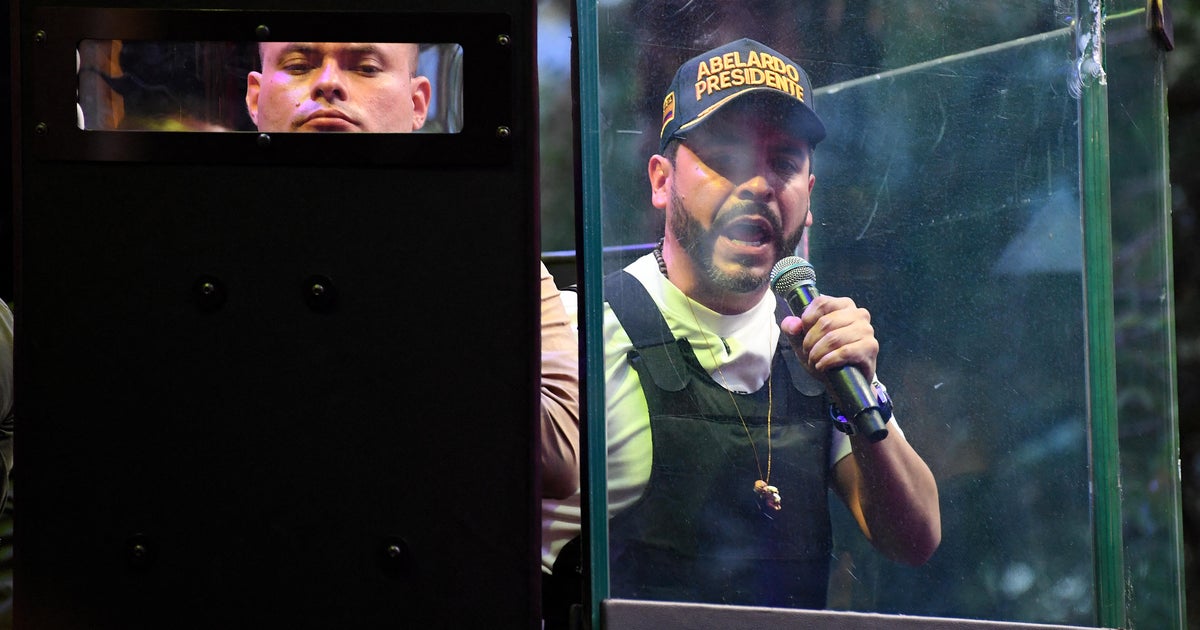
Two political figures, former mayor Rogers Devia and aide Eder Cardona, were killed in a shooting in Colombia's Meta department weeks before the May 31 presidential election. The incident underscores escalating political violence in a disputed region involving armed groups and raises concern over election security and democratic participation. Interior Minister Armando Benedetti said investigators do not yet know the motive, while police recently foiled another attack on a different campaign staffer in the same city.
This is less a one-off security incident than a signal that the electoral cycle is turning into a security premium event for Colombia risk assets. The market usually underprices how quickly localized political violence can widen into a broader reassessment of governability, especially when attacks begin to touch campaign staff and mid-level political operators rather than only high-profile figures. The second-order effect is higher perceived execution risk for the state just as investor attention shifts toward fiscal continuity, permitting, and infrastructure timelines.
The near-term loser is any domestic constituency tied to discretionary private investment in rural regions: agribusiness, logistics, toll roads, and local banks with concentrated loan books in affected departments can all see a modest but persistent rise in risk premia. Even without a direct macro shock, repeated headlines can delay capex decisions by 1-2 quarters, widen local funding spreads, and push foreign investors to demand a higher hurdle rate for COP exposure and Colombian sovereign duration. The most vulnerable asset class is probably long-duration local credit, where political noise can amplify already fragile liquidity.
The catalyst window is days to weeks, not years: the key question is whether there are follow-on incidents during the campaign that force candidates to harden security posture or reduce public appearances. If security agencies quickly contain the situation and deliver arrests, the impact fades; if not, the market will start to price a higher probability of election-week disruption and post-election social unrest. The contrarian point is that the initial headline reaction may be overdone in sovereigns but underdone in local equities and FX volatility, because the real damage comes from deteriorating participation and lower policy legitimacy, not from a single event.
From a trading perspective, this favors owning tail protection on Colombia rather than outright directional shorts. The cleanest expression is to buy short-dated USD/COP call spreads or COLCAP downside puts into the next polling and debate dates, when implied vol is still likely lagging realized political risk. For cross-asset relative value, prefer short COP beta vs broader LatAm basket exposure if security headlines continue, since country-specific political risk should outrun regional fundamentals over the next 2-6 weeks.
AI-powered research, real-time alerts, and portfolio analytics for institutional investors.
Request DemoOverall Sentiment
strongly negative
Sentiment Score
-0.65
