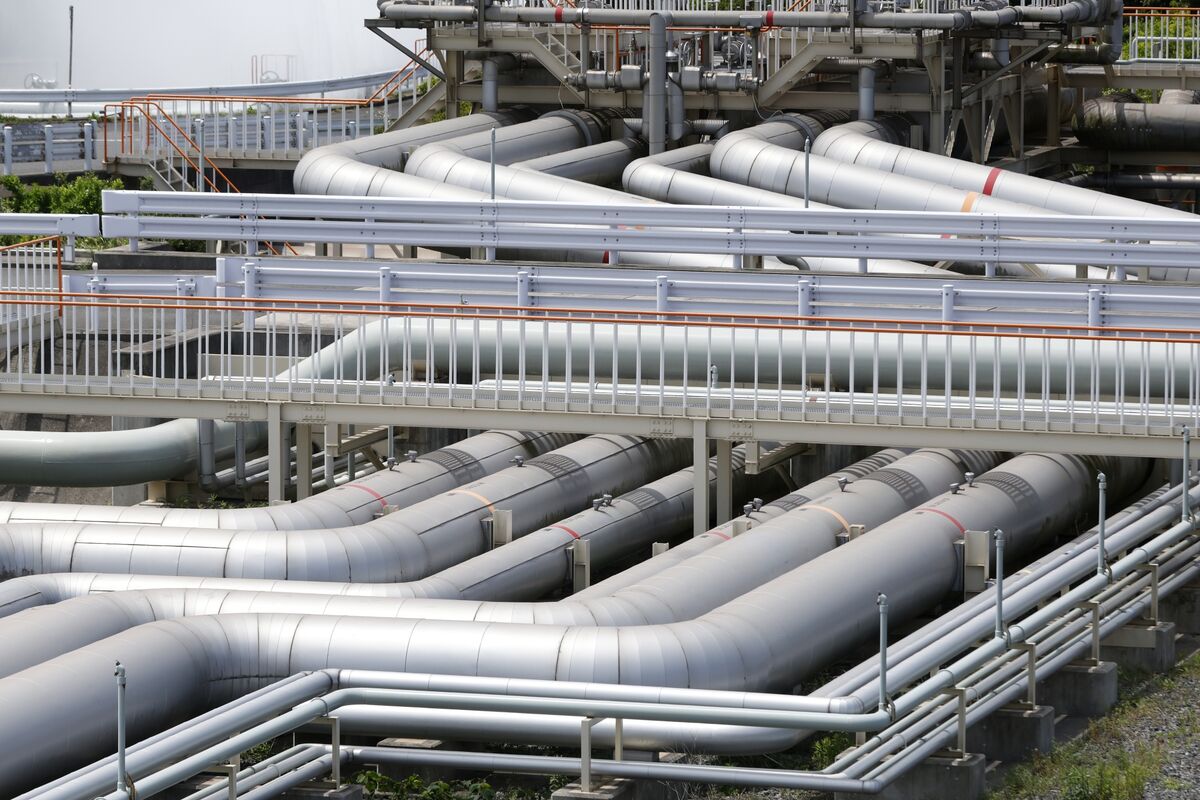
Jera has booked two gas carriers from Mitsui O.S.K. Lines to transport low-carbon ammonia from Louisiana’s Blue Point project to its Hekinan thermal power station in Japan, with shipments expected to begin around fiscal 2029. The agreement supports development of a cross-border ammonia supply chain and Japan’s alternative-fuel transition. The news is constructive for the companies involved, but near-term market impact should be limited given the long lead time.
This is less a near-term earnings event than a long-duration capex signal: the market is finally getting a visible transportation commitment behind the ammonia buildout, which lowers one of the biggest non-hardware risks in the transition stack. The first-order winners are the integrated logistics players and project developers with scarce U.S.-to-Japan routing capability; the second-order winners are upstream gas/chemicals assets tied to low-carbon ammonia feedstock, because shipping certainty improves bankability for the whole chain. The more important implication is that a replicated off-take-and-logistics template can compress financing costs for future terminals, carriers, and storage infrastructure across the Pacific basin.
The less obvious loser is any competing decarbonization pathway that needs faster payback and less infrastructure lock-in. Ammonia’s competitiveness depends on a delicate spread between gas feedstock, carbon intensity premiums, and delivered freight; if shipping, cracking, and handling costs stay stubbornly high, adoption will remain concentrated in utility-scale co-firing rather than broader industrial use. That means the trade is not "ammonia wins everywhere," but rather "a few permitted corridors get built," which favors incumbents with balance-sheet strength and regulatory optionality over pure-play technology names.
Risk is mostly timing and policy, not execution alone. Over the next 12–36 months, the key reversal catalysts are weaker Japanese decarb incentives, methane intensity scrutiny on U.S. feedstock, or a sharp move in LNG/coal prices that makes ammonia less economically compelling relative to existing baseload fuels. Conversely, the upside surprise would be a second or third similar shipping agreement, which would tell us this is becoming a network effect and not a one-off demonstration.
The contrarian view is that the market may be underestimating how slow the ramp will be: a 2029 start date means the equity impact is more about option value than current cash flow, and the real monetization may accrue to firms that control standards, permitting, and long-term logistics contracts rather than commodity exposure. In other words, the best risk-adjusted expression may be to own the enablers of the corridor, not the end-user theme itself.
AI-powered research, real-time alerts, and portfolio analytics for institutional investors.
Request DemoOverall Sentiment
mildly positive
Sentiment Score
0.25
