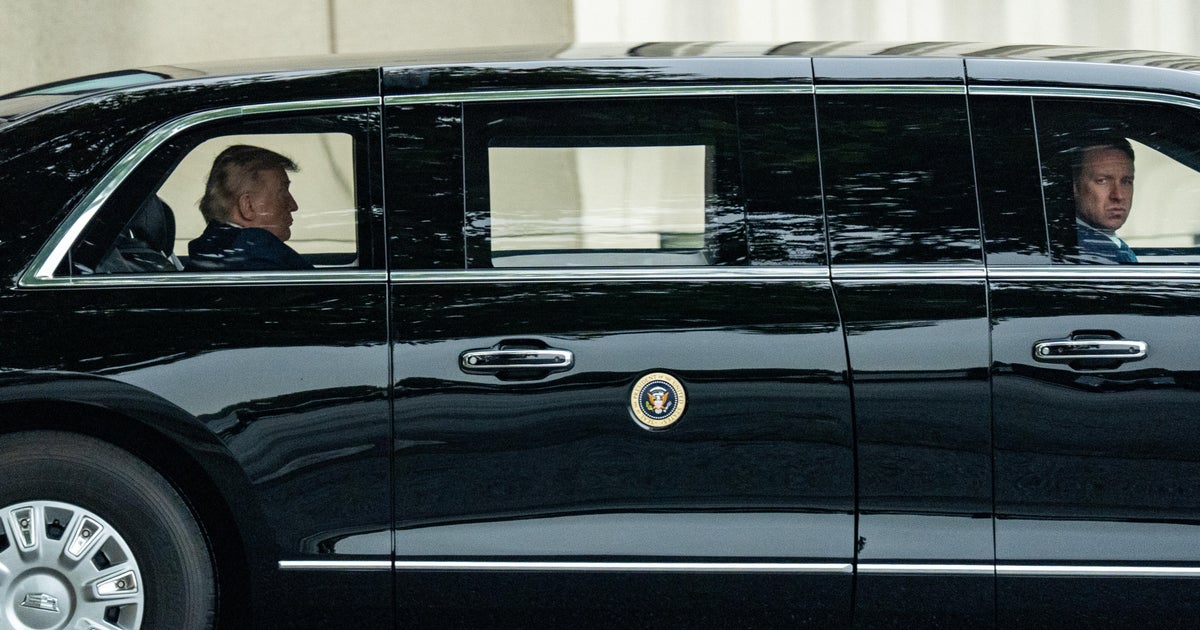
President Trump visited Walter Reed during his six-month checkup but did not meet the 14 U.S. troops injured in the Iran war who are recovering there. The article highlights 409 U.S. troops injured in the conflict, with roughly 90% returned to duty, while also revisiting prior scrutiny of Trump's comments about wounded service members. The piece is primarily political and military in nature, with limited direct market impact.
This is less about the optics of one hospital visit and more about the administration’s sequencing risk: the political need to project control and victory after an expensive conflict is colliding with the visibility of wounded service members. That matters because casualty salience tends to rise late in a campaign cycle and can quickly shift the narrative from “successful deterrence” to “hidden cost,” especially if the wounded and families begin amplifying the story.
The second-order implication is for defense primes and the broader national-security trade. Public support for the operation’s objectives may remain intact, but scrutiny of force protection, munitions burn rates, and post-strike medical care can increase pressure on oversight budgets and procurement timelines. That is usually constructive for sustainment, medevac, and trauma-care adjacent names, while being mildly negative for political risk around legacy defense contractors tied to theater readiness if the public debate turns to avoidable casualties.
The key risk is not immediate market repricing but a slower burn over the next 1-3 months: congressional hearings, investigative coverage, or veteran advocacy could force the White House into a defensive posture and constrain future escalatory flexibility. If the administration pivots to more visible support for wounded troops or additional military family benefits, the issue fades; if it minimizes injuries, the controversy compounds and becomes a credibility overhang ahead of the next policy fight.
Contrarian take: the market may be underpricing how quickly this can broaden from a morality story into a budget story. Once casualty counts and readiness questions enter the public debate, investors often rotate toward defense subsegments with clearer funding paths—medical logistics, simulation/training, and cyber/ISR—rather than headline weapons makers tied to kinetic escalation.
AI-powered research, real-time alerts, and portfolio analytics for institutional investors.
Request DemoOverall Sentiment
mildly negative
Sentiment Score
-0.20
