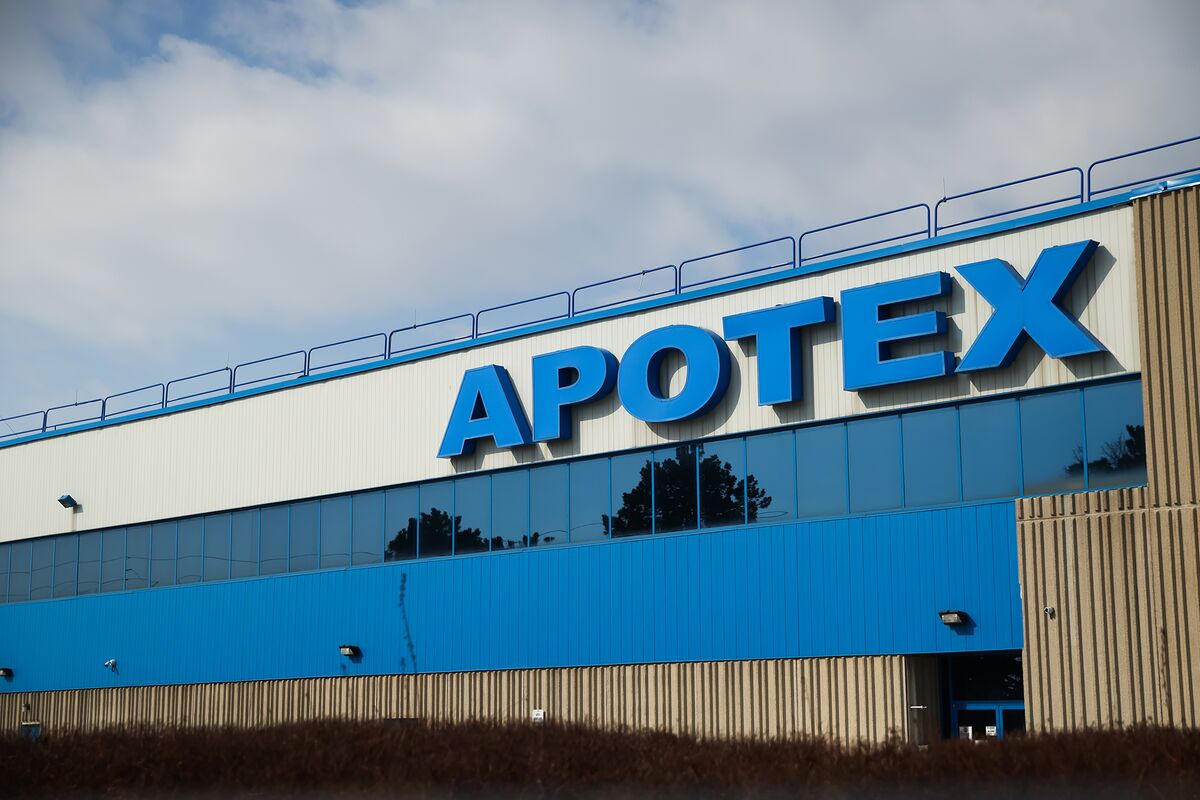
Apotex Health Corp., a Canadian generic drugmaker, filed for an initial public offering in Toronto. The float will include both treasury shares and a secondary offering from controlling shareholder SK Capital Partners, indicating a partial monetization event rather than a pure capital raise. The filing is a constructive step for the company, but the article provides no valuation, timing, or sizing details.
This filing is less about one Canadian generic name and more about a broader late-cycle monetization window for private healthcare assets. If the book gets done cleanly, it should validate that public markets are still willing to underwrite cash-yielding, non-glamour healthcare businesses despite higher rates and lower risk appetite — which can pull forward a queue of similar sponsor-backed offerings in North America. That matters because the first credible post-listing price action often resets valuation expectations for adjacent private assets more than it moves the issuer itself.
The second-order winner is likely the capital markets ecosystem around the deal: underwriters, lawyers, and any public comp with a similar mix of defensiveness and low-growth cash flow may get a short-term re-rate as investors hunt for “quality at a discount” in a market starved for new issues. The likely loser is the sponsor’s remaining portfolio value if the deal clears at a muted multiple; weak IPO pricing can become a mark-to-market template for other healthcare assets owned by financial sponsors, compressing exit assumptions for the next 1-2 quarters.
The key risk is that a generic-drug business can look stable right up until pricing pressure or working-capital drag shows up in the first public quarter. In the near term, the catalyst is order-book quality and the discount demanded versus listed peers; over 3-6 months, the real test is whether public investors treat it as a defensive compounder or a low-growth, regulated-margin asset with limited multiple expansion. If the market senses the IPO is being used to de-lever a sponsor rather than fund growth, the post-listing path could be choppy even if the deal is oversubscribed.
The contrarian view is that the signal may be more bearish for private healthcare sponsors than bullish for the issuer. A successful deal here would imply that private owners can still exit, but likely at a valuation that is below where many portfolios are marked internally, forcing a wave of conservatism in subsequent fundraising and exits. In that sense, the best trade may not be the IPO itself but the read-through to lower sponsor marks across small-cap healthcare and broader private credit exposure if distributions slow.
AI-powered research, real-time alerts, and portfolio analytics for institutional investors.
Request TrialOverall Sentiment
mildly positive
Sentiment Score
0.15
