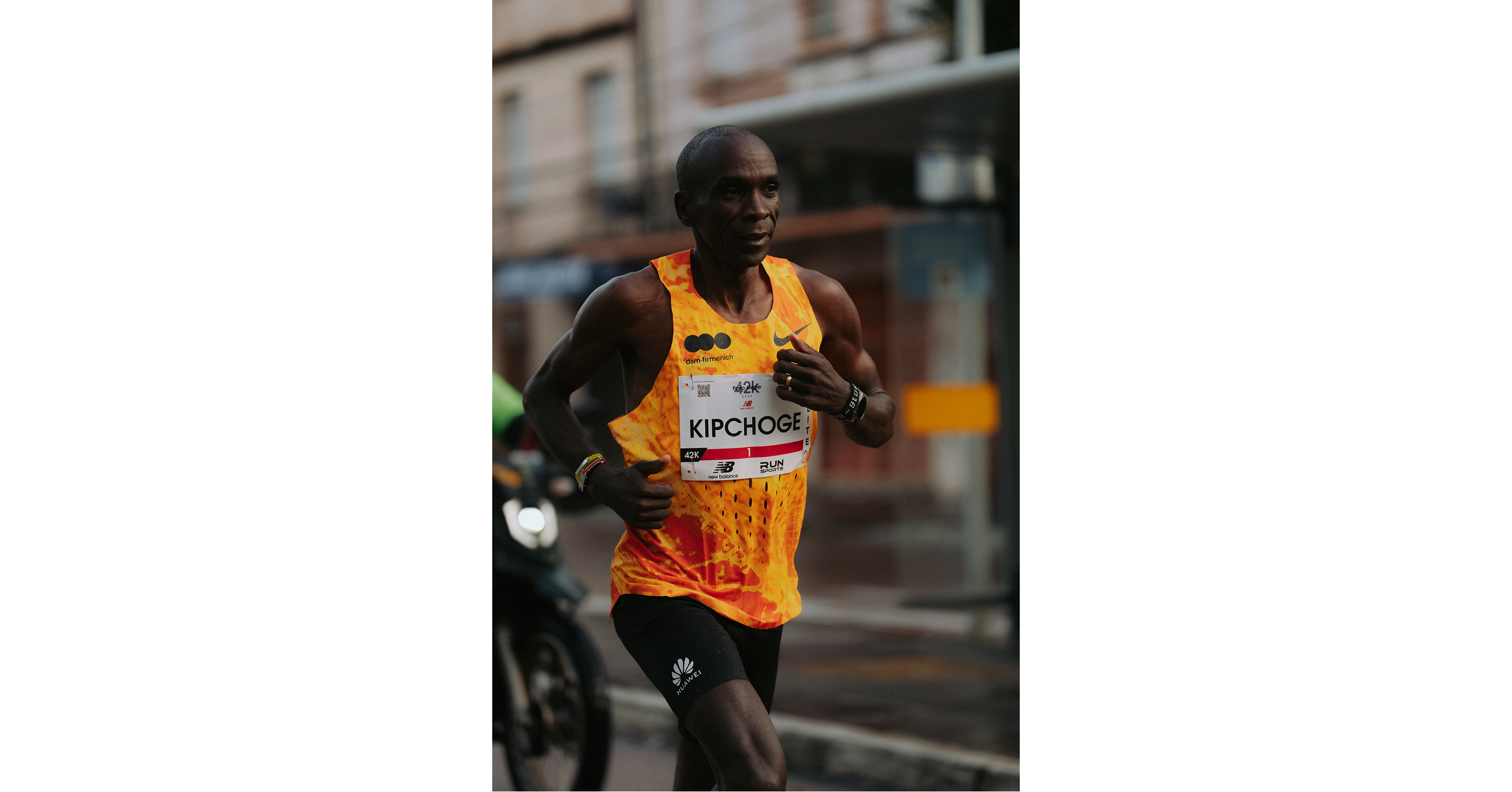
Huawei представила HUAWEI WATCH GT Runner 2 в Бразилии, продвигая «профессиональную» точность GPS и специальные режимы марафона для тренировки, дня гонки и восстановления на дистанции 42,195 км. Ключевая функция — интеллектуальный режим марафона с виртуальным пейсером, который в реальном времени рассчитывает отклонения темпа и показывает нужный темп километр за километром; устройство подтверждено на практике Элиудом Кипчоге в Порту-Алегри на марафоне NB42K Porto Alegre.
This is primarily a brand-validation event, not a near-term earnings catalyst. Endorsement-driven wearables launches can lift search interest and sell-through for a few weeks, but durable share gains in this category usually come from ecosystem stickiness, app depth, and distribution breadth — not from athlete halo alone. The real public-market read-through is competitive pressure on the mid-tier endurance-watch segment, where buyers are more feature-sensitive and price-elastic than in premium smartwatches.
Garmin is the cleanest listed beneficiary/at-risk name because it sits in the overlap of serious runners and multi-sport devices. If Huawei’s product is genuinely better on GPS and marathon pacing, the first second-order effect is not share loss at the top end; it is margin compression in the $200-$400 band as Garmin, Polar, and Suunto respond with discounts or heavier promo spend. Apple is less exposed because its watch economics are driven by the broader iOS ecosystem, not niche running credibility.
Timing matters: the next few days are likely only sentiment noise, while the real catalyst window is 1-3 months when Brazil/LatAm channel checks, ecommerce rankings, and social search trends reveal whether this is a one-off media push or a repeatable distribution win. Over 6-18 months, Huawei could build a beachhead in emerging markets, but sanctions and software/ecosystem constraints still cap any meaningful impact in US-listed hardware names. The contrarian mistake would be to extrapolate a marathon endorsement into structural share gains without evidence of retail velocity.
The market may be underestimating how little revenue this kind of campaign usually moves, especially in a category where replacement cycles are long and users are sticky once they have training data history. A stronger signal would be Garmin commentary on promo intensity or wearables gross margin pressure, not the launch itself. If that does not show up, this remains a marketing story rather than an investable thesis.
AI-powered research, real-time alerts, and portfolio analytics for institutional investors.
Request TrialOverall Sentiment
mildly positive
Sentiment Score
0.25
