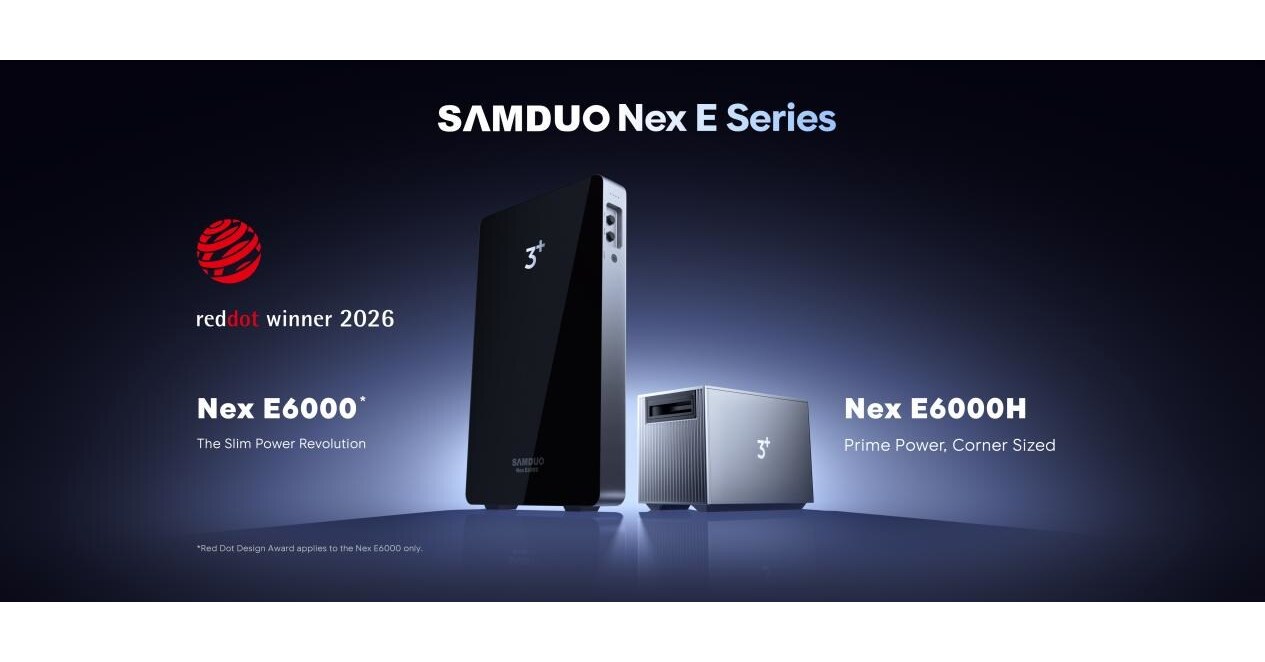
SAMDUO startet ab 13. Juli den offiziellen Online-Vertrieb der Speicher-Modelle Nex E6000 und Nex E6000H in den Niederlanden, um Haushalte auf den Wegfall des Net-Metering ab 1. Januar 2027 vorzubereiten. Die Systeme sind für platzsparende Einbauten (Tiefe 11,9 cm) ausgelegt und sollen dank dynamischer Stromtarif-/Wetter-Optimierung potenziell bis zu 1.584 € pro Jahr einsparen (laut internen Berechnungen). Mit 800 W Plug-and-Play, 10.000 Ladezyklen, 10 Jahren Garantie und Erweiterbarkeit auf bis zu 15 Einheiten zielt die Markteinführung auf höhere Eigenverbrauchsquote und geringere Abhängigkeit von teurem Netzstrom.
The real signal here is a policy-driven demand inflection for residential storage, but the market will likely misread the timing. The earnings impact is not 2026 press-release noise; it is a 12-18 month lead indicator for channel bookings, installer pipelines, and pre-purchase behavior ahead of the 2027 rule change. That favors vendors with low-install-friction, AC-coupled products and software that can monetize tariff spreads without heavy on-site labor.
Relative winners are the inverter/storage platforms and direct-to-consumer ecosystems that can turn regulatory complexity into a bundled offer; relative losers are solar-only installers whose economics weaken when export value falls and households need a battery to preserve payback. A second-order effect is lower reverse-flow stress on the Dutch grid, which can defer capex for network operators but compress throughput economics for retailers that depend on volumetric power sales. If plug-and-play really reduces electrician bottlenecks, value migrates from hardware margin to software, distribution, and financing.
The contrarian risk is that the market overestimates adoption elasticity. Household appetite will still hinge on financing costs, tariff dispersion, and realized payback, and those variables can move against the story quickly if power spreads narrow or rates stay elevated. Until installer order data confirms pull-through, this is better viewed as an option on European storage demand than a near-term earnings upgrade.
AI-powered research, real-time alerts, and portfolio analytics for institutional investors.
Overall Sentiment
mildly positive
Sentiment Score
0.25
