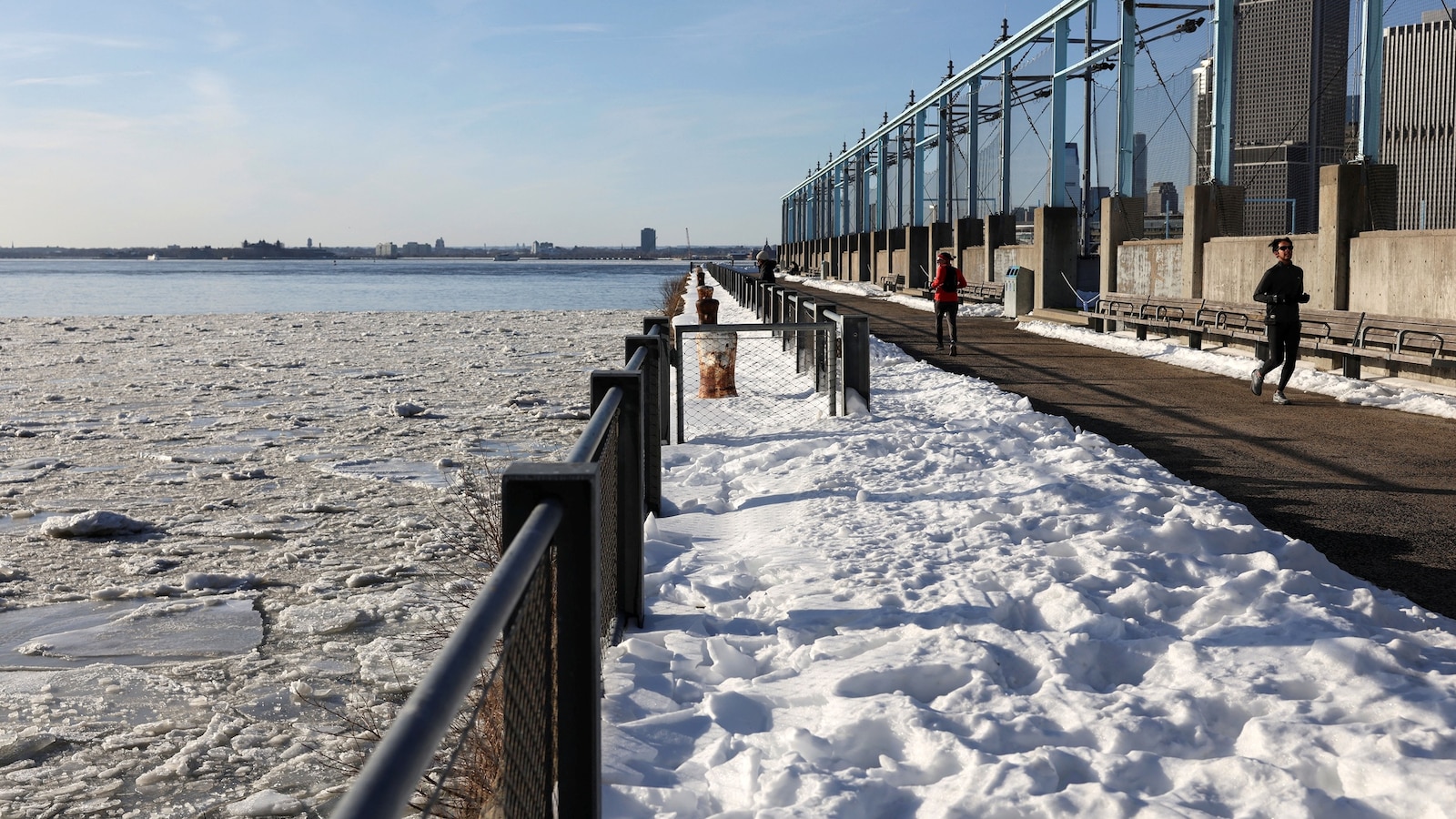
An arctic blast will deliver the coldest air of the season to parts of the U.S. Northeast this weekend, bringing light-to-moderate snow (dustings to 2 in. across parts of the Midwest and Appalachia, 1–2 in. in Boston, and 2–4 in. along the eastern I‑90 corridor including Syracuse, Rochester, Buffalo and Erie) and very strong winds with gusts up to 50 mph. Wind chills may fall to −35°F in locations such as Lake Placid and Saranac Lake with an extreme cold watch in effect Friday night through Sunday morning; major metro impacts include NYC highs only in the 20s/teens and single-digit lows, with conditions moderating toward average or above-average by mid to late next week.
Market structure: The immediate winners are regional energy suppliers, power generators and pipeline operators servicing New England and the Mid‑Atlantic (spot Algonquin/NY citygate and New England power forwards); losers are short‑term service sectors—airlines, ground logistics and open‑air retail—where cancellations and disruptions compress near‑term revenues. Spot-natural‑gas and heating‑oil pricing power will rise regionally for days–weeks as demand spikes and limited pipeline capacity prevents full Henry Hub arbitrage, likely pushing Algonquin basis +$1–$3/MMBtu versus baseline within 72 hours if cold persists.
Risk assessment: Tail risks include sustained grid stress or distribution outages that produce multi‑day blackouts and large insurance/municipal claims (low prob, high impact). Time horizons: immediate (0–14 days) = price/disruption shock; short (1–3 months) = mean reversion of commodity basis and airline recovery; long (>3 months) = negligible structural change unless regulatory winterization mandates accelerate capex for utilities/pipelines.
Trade implications: Prefer short‑dated, directional exposure to regional energy tightness and tactical hedges against transport disruptions. Use options or producer equities to capture spikes while limiting downside—avoid buy‑and‑hold commodity ETFs that suffer roll cost. Size trades small (1–2% each) with explicit stop/profit rules given rapid mean reversion risk.
Contrarian angles: Consensus will underprice local basis dislocations (Algonquin vs Henry Hub) and overprice ETF-based natural‑gas plays (UNG contango drag). Airline sell‑offs can be overdone for a single storm if forecasts moderate; utilities may not meaningfully reprice because regulated recovery dampens upside. Historical parallels (short, sharp 2014/2018 cold snaps) show 1–3 week commodity moves then reversal—trade with tight timeboxes.
AI-powered research, real-time alerts, and portfolio analytics for institutional investors.
Request DemoOverall Sentiment
neutral
Sentiment Score
0.00
