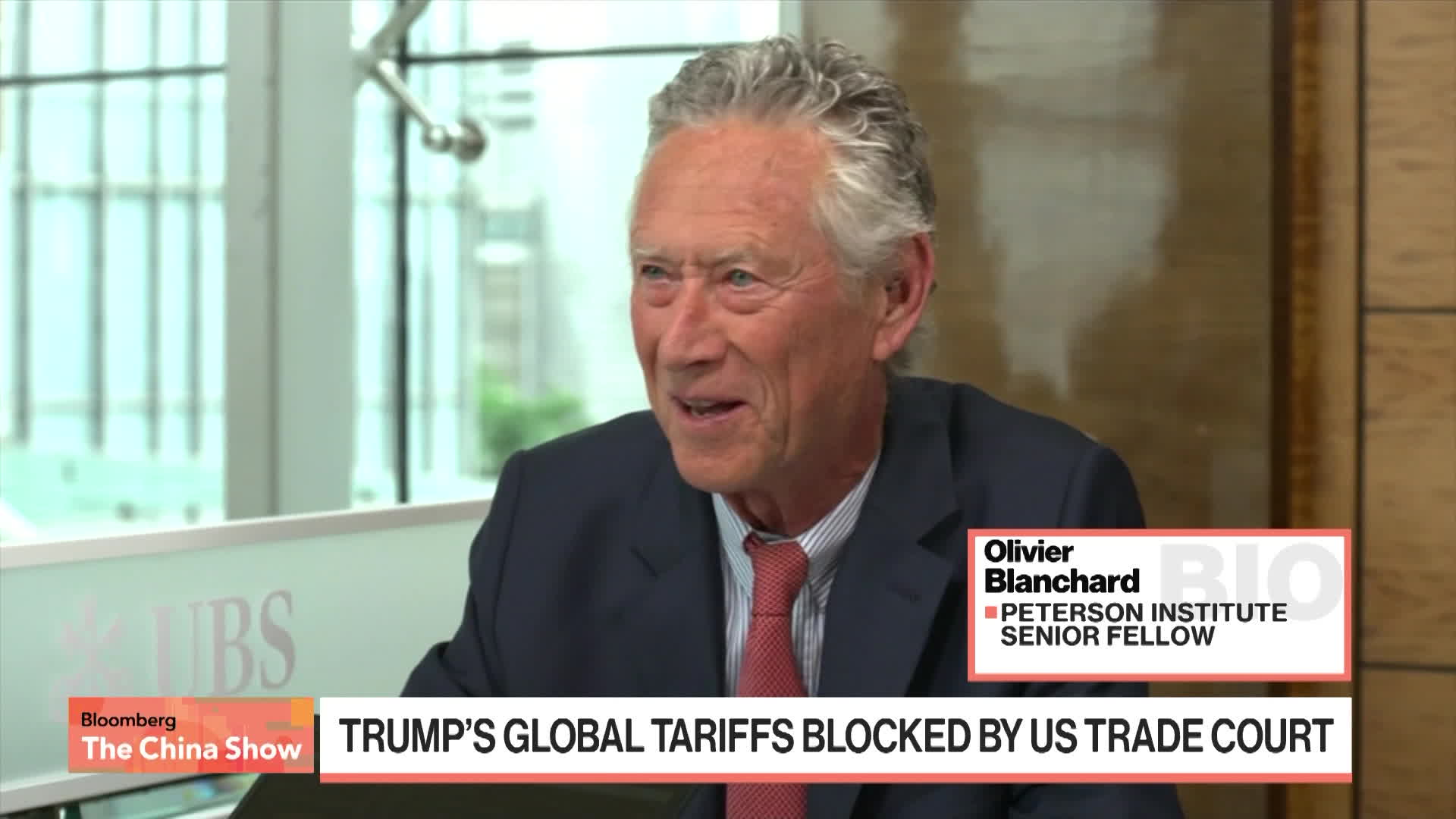
The U.S. is set to begin revoking visas for Chinese students, signaling an escalation in its crackdown, while the Governor of New Zealand's RBNZ discussed the economic outlook. Separately, discussions continue around the feasibility of human travel to Mars, and the University of Chicago Booth's Rajan offered insights on the global economy.
The global geopolitical and economic landscape is characterized by increasing uncertainty and a moderately negative sentiment, underscored by key developments with a discernible market impact. The United States' reported plan to start revoking visas for Chinese students signals a significant escalation in US-China tensions, portending potential repercussions for international academic exchange, technology sectors, and broader trade relations. This development aligns with the identified themes of 'Trade Policy & Supply Chain' and 'Geopolitics & War'. Simultaneously, pronouncements from the Reserve Bank of New Zealand's Governor Hawkesby regarding the domestic economic outlook, and insights on the global economy from the University of Chicago Booth's Rajan, highlight the critical importance of monitoring 'Economic Data' and central bank stances in the current environment. The collective tone of these updates is 'uncertain', suggesting a period requiring cautious observation by market participants.
AI-powered research, real-time alerts, and portfolio analytics for institutional investors.
Request DemoOverall Sentiment
moderately negative
Sentiment Score
-0.40
