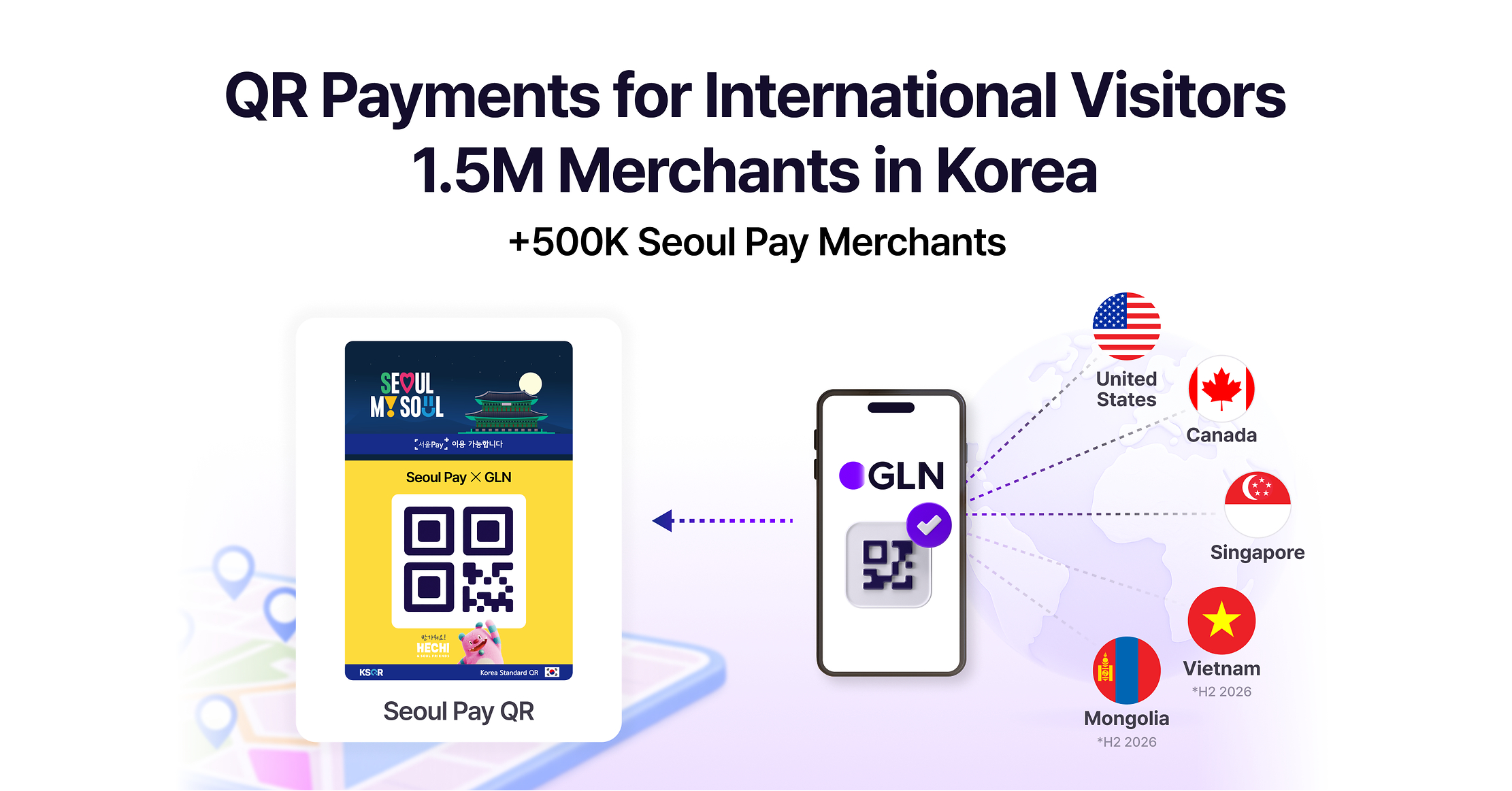
GLN (Hana Bank) hat sein Seoul-Pay-QR-Akzeptanznetz von ca. 1,0 Mio. auf ca. 1,5 Mio. Händler in ganz Korea erweitert (inkl. +500.000 Händler via Coocon). Die Nutzung von QR-Zahlungen durch internationale Einreisende stieg im 1H 2026 gegenüber 2H 2025 sowohl beim Transaktionsvolumen als auch beim -wert jeweils um rund +1.000%. GLN will den Service noch 2026 auf Besucher aus den USA, Kanada, Singapur, Vietnam und der Mongolei ausweiten und bis 2027 auf mehr als 10 Länder wachsen.
This is less a one-quarter earnings story than a distribution win for the payment stack that sits closest to inbound tourist spend. The economic value accrues first to the platform that can route foreign wallets into local merchants, then to merchant-heavy consumer names with high tourist mix: duty free, beauty/medical tourism, and convenience retail. The second-order winner is small merchants in districts like Seongsu, where lower payment friction can raise conversion and basket size; the loser set is any incumbent card/FX flow that depends on tourists defaulting to plastic or cash exchange.
The important catalyst path is not merchant count but country rollout. Adding U.S./Canada/Singapore/Vietnam/Mongolia users would expand the addressable base materially more than another incremental Korean merchant integration, because the current uplift likely reflects early-adopter behavior and base effects. Near term, watch inbound tourism, repeat usage frequency, and whether QR share expands beyond premium tourist corridors into ordinary consumer retail; if adoption stalls there, the growth rate normalizes quickly.
Contrarian view: the market may overestimate monetization. A 1,000% transaction-growth headline can coexist with trivial revenue if take rates are thin, FX economics are shared, or incentives are subsidized to seed the network. The thesis breaks if card rails respond with pricing, if merchants resist QR without clear cost savings, or if macro tourism softens; in that case, this becomes an adoption story with strategic value but limited EPS impact.
AI-powered research, real-time alerts, and portfolio analytics for institutional investors.
Overall Sentiment
mildly positive
Sentiment Score
0.25
