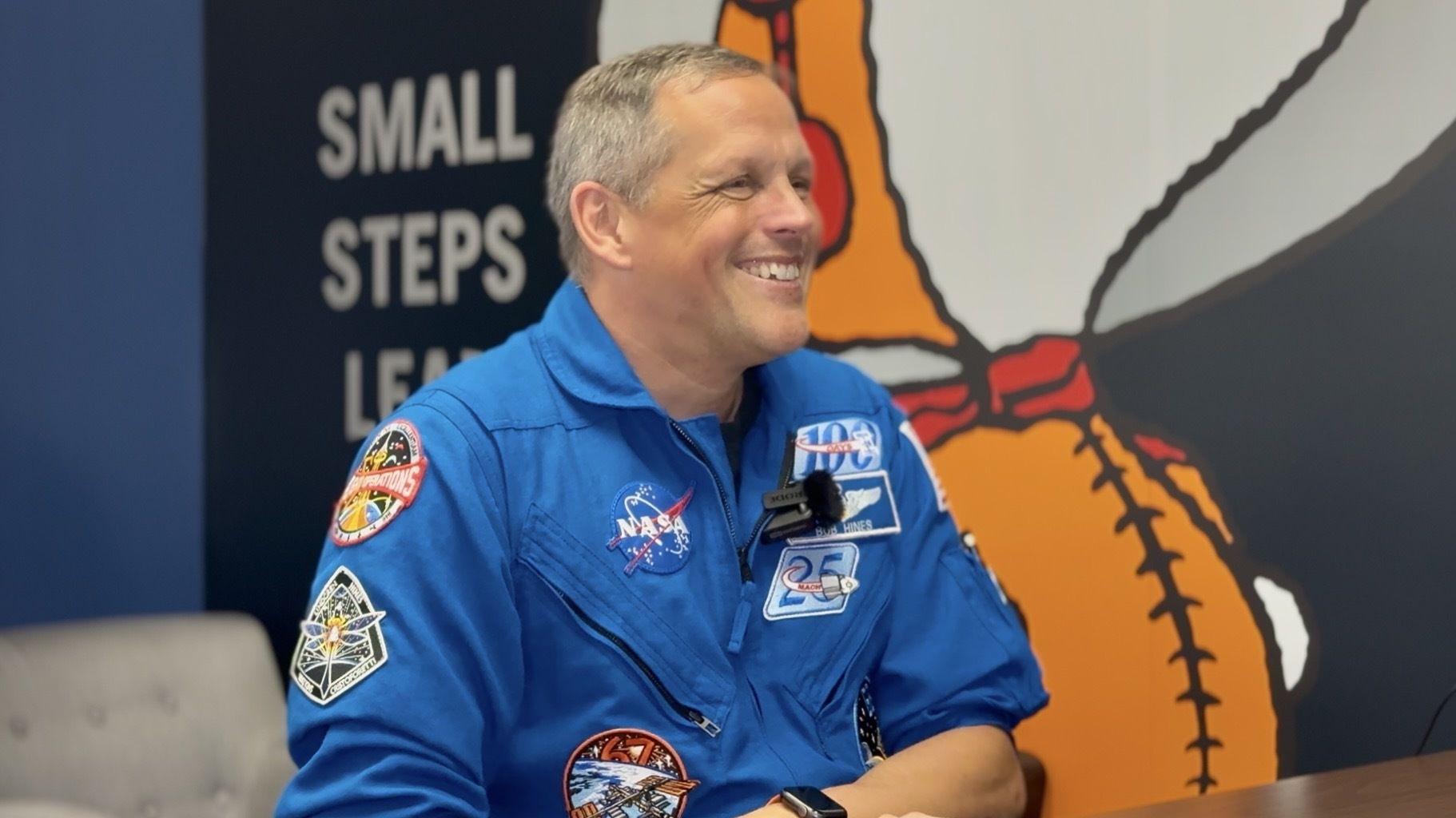
NASA revealed the Artemis 3 crew on June 9: Randy Bresnik will command, Luca Parmitano will pilot, Frank Rubio and Andre Douglas will serve as mission specialists, and Bob Hines is backup. The mission is targeting the latter half of 2027 and will use Orion atop SLS to test rendezvous and docking with SpaceX's Starship and Blue Origin's Blue Moon landers. The article is primarily a mission-operations update with limited direct market impact.
This is less a headline about astronauts and more a reminder that NASA’s lunar cadence is now constrained by industrial readiness, not political will. The bottleneck has shifted from crew selection to systems integration: every additional month of delay in the lander stack compresses testing for an already-short training window, raising the probability that schedule slippage becomes the default outcome rather than a surprise.
The key second-order effect is competitive concentration in the lunar supply chain. If one lander partner underperforms, NASA’s optionality collapses toward the other, which increases bargaining power for the better-executing platform and weakens pricing discipline for downstream subs. That dynamic can also re-rate the “picks and shovels” around guidance, docking, thermal, avionics, and mission simulation, where recurring engineering content matters more than a single launch date.
For public markets, the implied winner is not the headline prime contractor so much as the firms that monetize qualification, integration, and test intensity over multiple years. The risk is that Artemis becomes a rolling demo program: if orbital milestones slip again, budget scrutiny rises and the market will discount future crewed lunar timelines, even if the program is not canceled. The contrarian view is that delays are actually positive for the ecosystem that lives off extended verification cycles, because more failure modes mean more paid work before first landing.
Near term, this should read as a timing-risk event rather than a revenue event. The catalyst window is 6-24 months, when lander test results will determine whether the mission slips, shrinks, or gets re-scoped. Any stock exposure should therefore be built around schedule optionality, not a binary moon-shot narrative.
AI-powered research, real-time alerts, and portfolio analytics for institutional investors.
Request DemoOverall Sentiment
neutral
Sentiment Score
0.10
Ticker Sentiment
