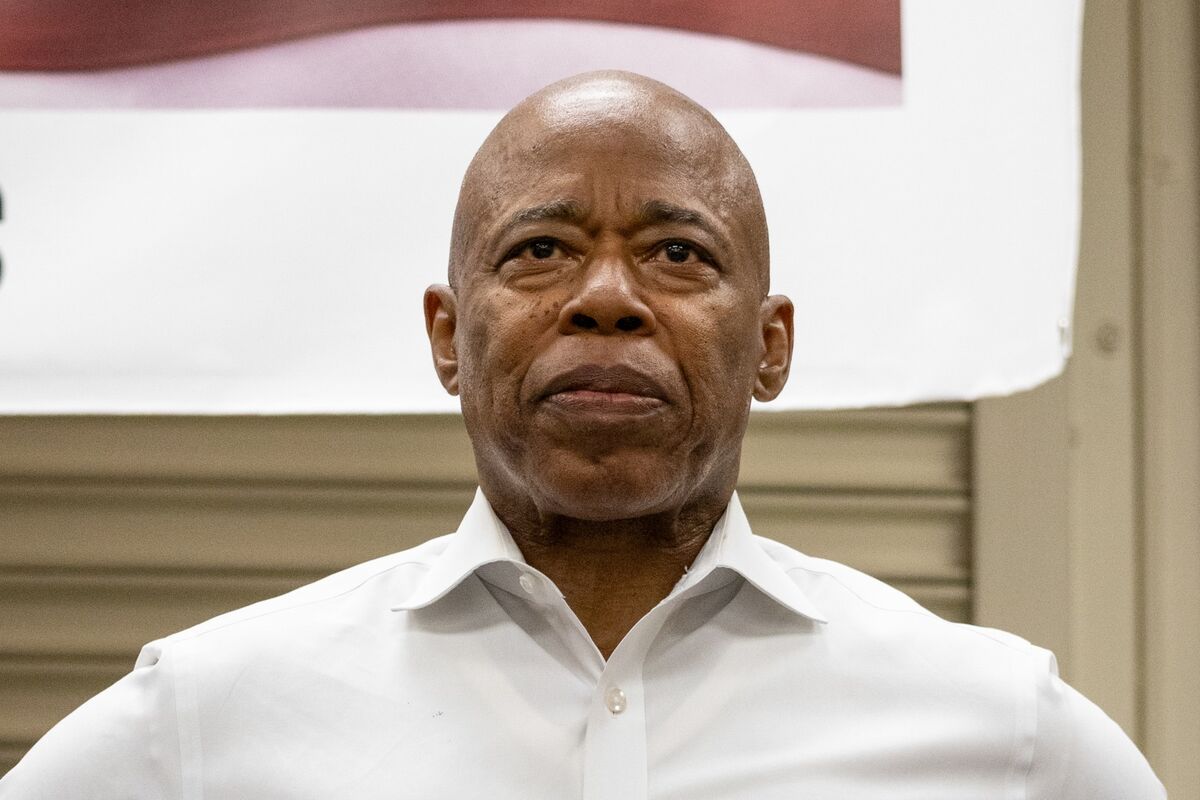
Outgoing New York Mayor Eric Adams is moving to appoint and reappoint members to the Rent Guidelines Board before leaving office, seeking candidates to fill vacancies and potentially securing a majority with terms that extend beyond his tenure. First Deputy Mayor Randy Mastro said the push could undercut incoming Mayor Zohran Mamdani’s pledge to freeze rents on more than 1 million rent-stabilized apartments, creating political and policy uncertainty for NYC housing stakeholders ahead of the year-end transition.
Market structure: The immediate winners are tenants and consumer-facing NYC businesses if a rent freeze passes (rent growth constrained by ~0–0% vs typical ~2–4% RGBA increases); losers are landlords and multifamily REITs with concentrated NYC portfolios (notably EQR, AVB, UDR) and small private owners facing cash‑flow compression and higher cap‑rate risk. Competitive dynamics shift demand toward non‑regulated Sunbelt apartments and single‑family rentals, increasing pricing power for Sunbelt landlords and homebuilder demand in 6–18 months as capital reallocates.
Risk assessment: Tail risks include legal injunctions or state intervention (high‑impact, low‑probability) and a larger policy cascade—eviction moratoria or tax changes—that could depress valuations by >10% locally; timeline: immediate news volatility (days), RGBA vote window (most material risk 0–6 months, board decisions often set rents for Oct 1), long term (12–36 months) impacts on cap rates and development pipelines. Hidden dependencies: mortgage rates, NYC tourism/job growth, and landlords’ leverage profiles determine actual credit stress; catalyst to accelerate is a contested board vote or court ruling.
Trade implications: Favor relative value: underweight NYC‑exposed multifamily (EQR, AVB, UDR) and overweight Sunbelt landlords (MAA) and selective homebuilders (LEN, PHM) for 6–18 months. Use options to cap risk: implement 6–9 month put spreads on EQR and AVB (size 2–3% NAV each) and buy 6–12 month calls on MAA (1–2% NAV) to capture rotation. Reduce NYC muni exposure by ~20% vs baseline until legal outcomes (next 90 days) and hedge with broader muni ETFs.
Contrarian angles: The market may underprice the probability that appointments fail or a court overturns board actions — if freeze is blocked, NYC residential names could rally 8–15% quickly; conversely, overreaction could create entry points in quality landlords with <4x net leverage. Historical parallels (periodic RGBA freezes vs modest increases) show pricing mean‑reverts within 6–12 months; maintain hedges to capture either outcome.
AI-powered research, real-time alerts, and portfolio analytics for institutional investors.
Request DemoOverall Sentiment
mildly negative
Sentiment Score
-0.25
