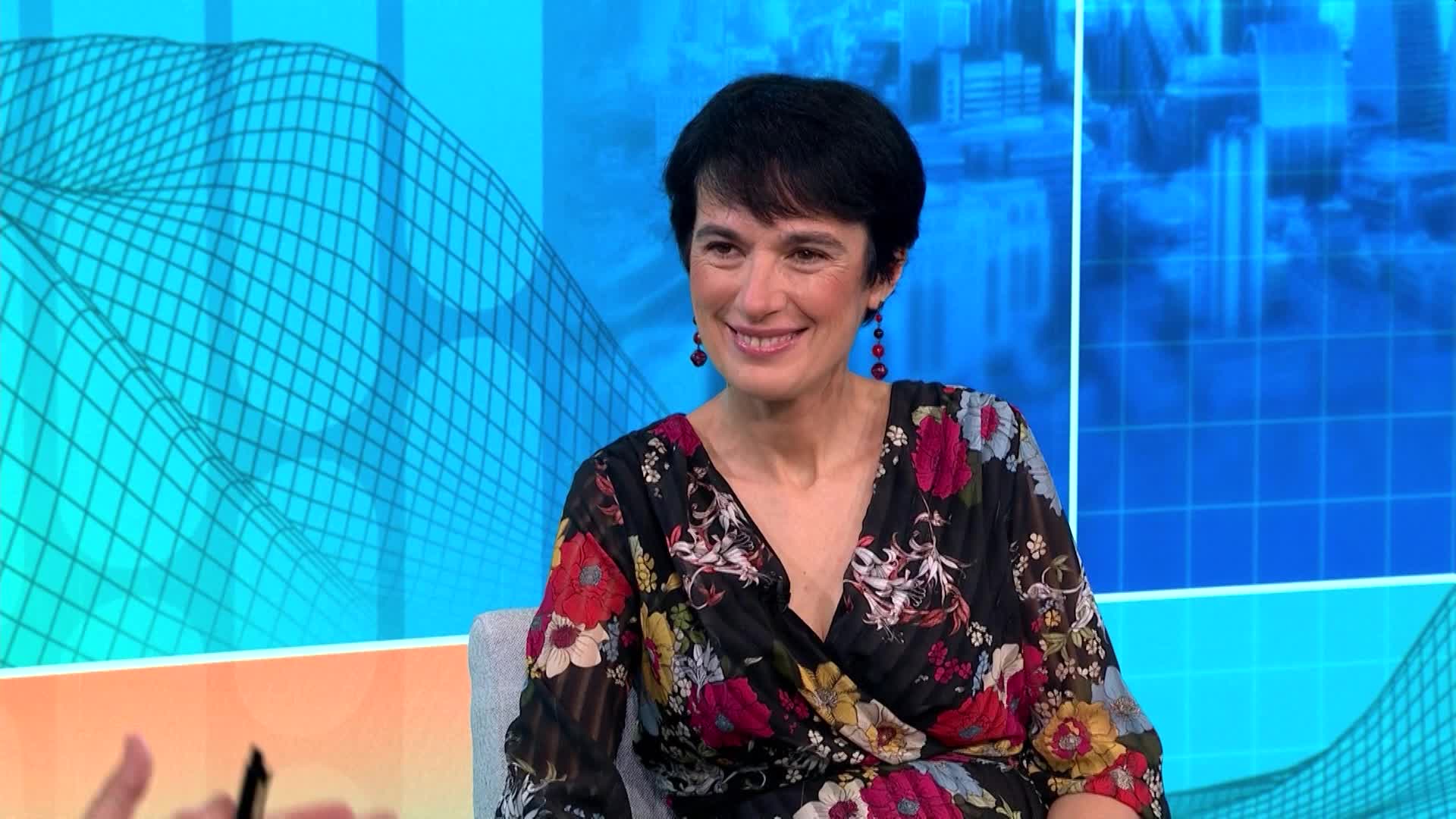
Mihaela van der Schaar, Director of the Cambridge Center For AI In Medicine, underscored the necessity for caution when integrating artificial intelligence tools into the pharmaceutical and medical industries. She emphasized that the goal of developing better, broadly beneficial drugs is a comprehensive 'journey' extending beyond mere molecule identification, signaling that AI's impact on drug discovery and development requires a nuanced, long-term strategic approach rather than a singular technological fix.
Mihaela van der Schaar, Director of the Cambridge Center For AI In Medicine, has introduced a significant layer of caution into the narrative surrounding AI's role in pharmaceuticals. Her statement emphasizes that the objective is not merely molecule discovery but developing drugs that are superior to existing treatments and benefit a wide population, a process she describes as an "entire journey." This perspective, flagged as having a mildly negative and cautious tone, serves as a crucial counterbalance to market hype. It implies that while AI can accelerate initial discovery, it does not eliminate the significant downstream hurdles of clinical trials, regulatory approval, and manufacturing. The expert opinion from a leading academic center suggests that the timeline for AI to generate substantial, tangible returns in the form of approved, marketable drugs may be longer and more complex than some market participants currently anticipate.
AI-powered research, real-time alerts, and portfolio analytics for institutional investors.
Request DemoOverall Sentiment
mildly negative
Sentiment Score
-0.20
