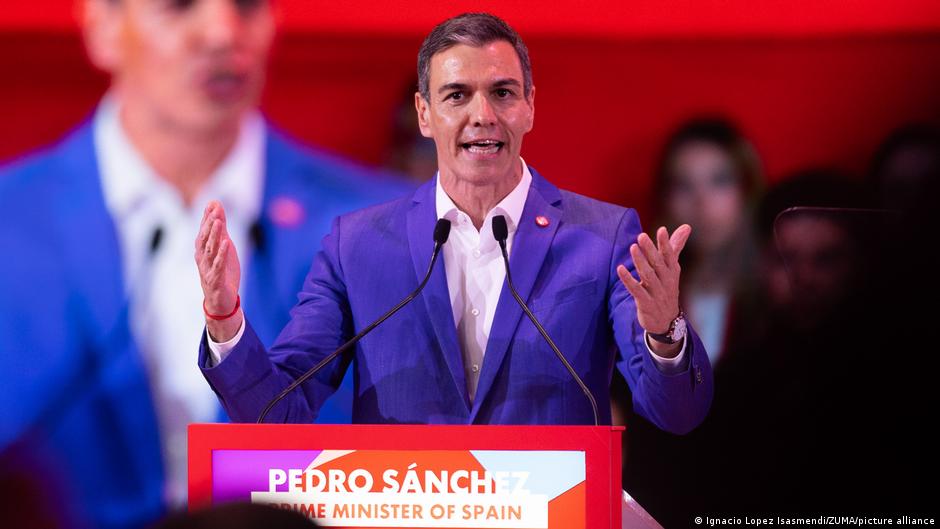
Spain, Brazil and Mexico pledged to increase aid for Cuba amid what they described as a humanitarian crisis caused by a US blockade, while also rejecting military intervention and calling for dialogue. The article centers on escalating geopolitical tensions involving US threats toward Cuba, alongside a broader left-right political showdown in Spain and Europe. Market impact is mainly geopolitical rather than direct financial, but the risk of heightened regional instability keeps the tone cautious.
The immediate market read is not about Cuba itself, but about the widening premium for geopolitical fragmentation in LatAm and Iberia. When major democracies start openly coordinating humanitarian support outside the US framework, it raises the odds of sanctions circumvention, shipping/legal complexity, and reputational pressure on anyone doing business in the region. That tends to help diversified humanitarian/logistics and defense-adjacent names indirectly, while hurting smaller carriers, insurers, and commodity handlers with exposed Caribbean routes.
The bigger second-order effect is on sovereign risk perception. Even if direct military action never happens, repeated rhetoric around intervention keeps a tail-risk bid in FX, local credit, and tourism-sensitive assets across the Caribbean basin and nearby EMs; the market usually underprices this until there is a real shipping or airspace disruption. Any escalation would likely hit Cuba-linked tourism, remittance rails, and regional airlines first, then spill into broader EM sentiment through higher risk premia rather than through fundamentals.
The contrarian angle is that the current reaction may be overfocused on headline risk and underfocused on policy backstop. Spain, Brazil, and Mexico coordinating public aid is a signal that the probability of a clean multilateral off-ramp is rising; that can cap the duration of the stress even if rhetoric stays loud. Over a 1-3 month horizon, the trade is less about direction and more about volatility compression after the initial spike, unless the US converts threats into actual operational steps.
From a positioning standpoint, the best risk/reward is in buying short-dated geopolitical volatility where exposure is cheap, while avoiding broad EM beta shorts that can get squeezed by any de-escalation. If intervention odds are truly rising, the cleanest losers are Caribbean tourism proxies and regional transport, but the cleaner expression is usually through options rather than cash equities because headline-driven gaps are hard to size. The article also supports a mild relative long in European/LatAm multilateralism beneficiaries versus US domestic defense-only proxies, since the funding and coordination response can extend well beyond the immediate crisis.
AI-powered research, real-time alerts, and portfolio analytics for institutional investors.
Request DemoOverall Sentiment
mildly negative
Sentiment Score
-0.20
