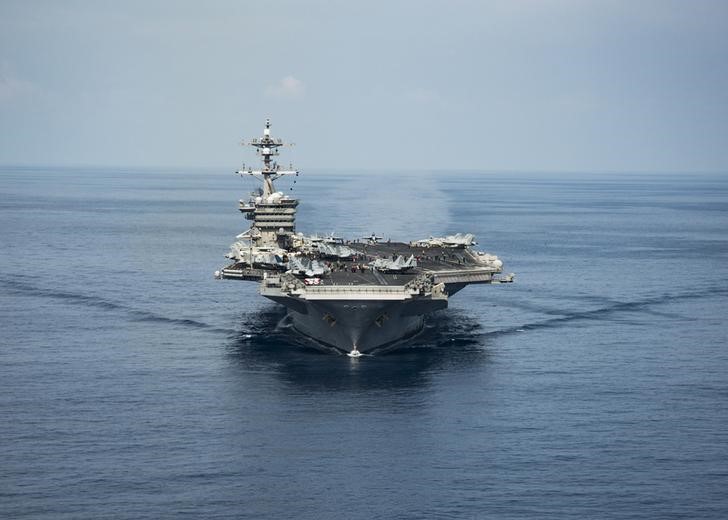
Trump said the U.S. Navy is acting "like pirates" while seizing ships and cargo in a blockade of Iranian ports, underscoring a more aggressive sanctions-enforcement posture. The conflict has disrupted maritime routes, with the Strait of Hormuz handling about 20% of global oil and LNG shipments, helping push global oil prices higher. The broader geopolitical escalation and trade disruption risk make this market-wide, risk-off news.
The immediate market read is not about the headline rhetoric; it is about the growing probability of a persistent freight-tax on global trade. If maritime seizures and port disruptions continue, the first-order beneficiaries are defense/logistics providers and insurers with pricing power, while the hidden losers are import-heavy retailers, industrials with long supply chains, and any business dependent on just-in-time inventory. That matters more for valuation than the conflict itself because even a modest, sustained rise in shipping and marine insurance costs can compress margins for 2-4 quarters before demand fully adjusts.
Energy is the cleaner macro transmission. A prolonged chokepoint premium would likely keep crude elevated, but the second-order effect is that volatility, not just level, begins to matter for risk assets: higher implied oil volatility tends to raise discount rates and widen credit spreads for transport, airlines, and chemicals faster than it boosts energy equities. The market is likely underestimating how quickly this can bleed into consumer inflation expectations and force a more hawkish path for rates, which is a negative for long-duration growth even if the direct commodity exposure is limited.
For EBAY specifically, the article itself does not create a direct fundamental catalyst, which makes the move susceptible to narrative drift rather than earnings revision. The contrarian angle is that any panic move into names linked only by headline association can create a temporary dislocation: if the market is using the ticker as a thematic proxy instead of a cash-flow beneficiary, the upside is capped and the trade becomes mean-reversion-prone once traders refocus on actual exposure. The more durable expression is to own the second-order winners in logistics/energy and fade incidental names that have no direct sensitivity.
The key risk to this setup is policy reversal or a de-escalation corridor that narrows the shipping-risk premium within days; in that case, crowded geopolitical longs can unwind faster than fundamentals justify. Conversely, if seizures expand beyond sanctioned cargo into broader commercial traffic, the repricing window shifts from days to months, and the equity impact broadens from energy into retail, semis, and freight-intensive industrials.
AI-powered research, real-time alerts, and portfolio analytics for institutional investors.
Request DemoOverall Sentiment
moderately negative
Sentiment Score
-0.45
Ticker Sentiment
