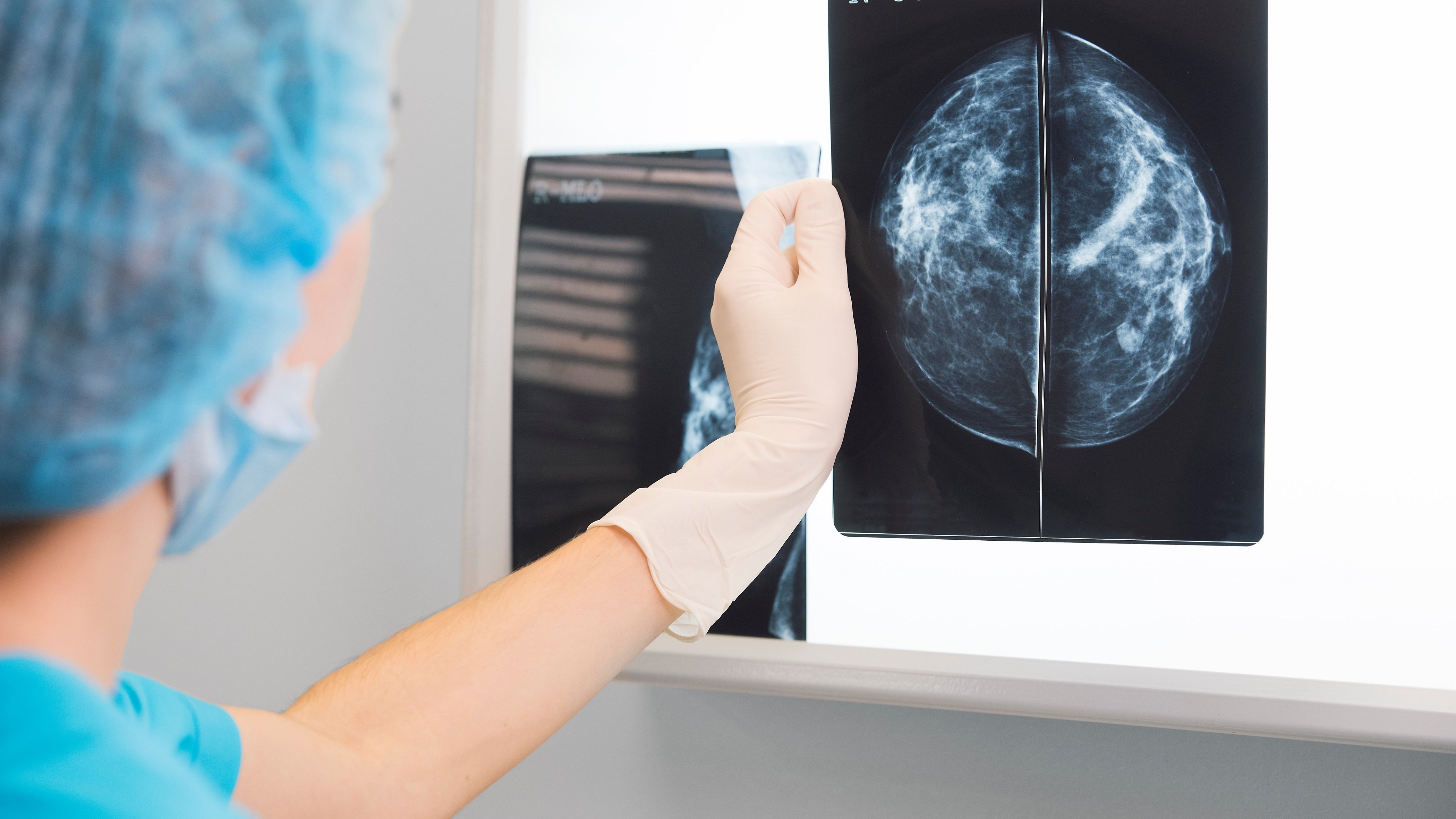
Emory researchers analyzed more than 123,000 screening mammograms and used AI to quantify breast arterial calcification, finding severe cases carried a 2–3x higher risk of heart attack, stroke and heart failure. Published in the European Heart Journal, the study suggests routine mammograms could identify cardiovascular risk at no extra cost and prompt earlier preventive steps such as cholesterol testing or medication.
This is a classic software-into-imaging wedge: a low-friction AI read that sits on top of an already standardized imaging workflow creates a per-scan SaaS revenue stream and a retrofit market for older equipment. Rough math: a $5–$15 per-scan software fee on even a fraction of annual screening volumes becomes a $100M–$300M recurring revenue pool for a pure-play AI vendor within 12–24 months of commercial rollout, while OEMs capture upgrade and replacement dollars.
Second-order demand will flow to ambulatory imaging capacity and CT-calcium scoring equipment as flagged patients get fast-tracked for confirmatory testing, giving leverage to large imaging OEMs (GEHC/PHG) and to consolidated outpatient chains that can scale marginal throughput. Insurers will face a near-term rise in downstream testing and statin starts (12–24 months) but should see claims deflation in major adverse cardiovascular events over a 3–5 year horizon if interventions stick.
Key risks are non-clinical: FDA/regulatory carving, slow payer coding, and radiologist workflow resistance—any one can delay monetization by 12–36 months. The contrarian angle: the market will likely over-rotate toward cardiology device winners, but the real pocketbook winners are infrastructure and software licensers; beware binary outcomes around regulatory approvals and large-scale prospective validation trials.
AI-powered research, real-time alerts, and portfolio analytics for institutional investors.
Request DemoOverall Sentiment
mildly positive
Sentiment Score
0.25
