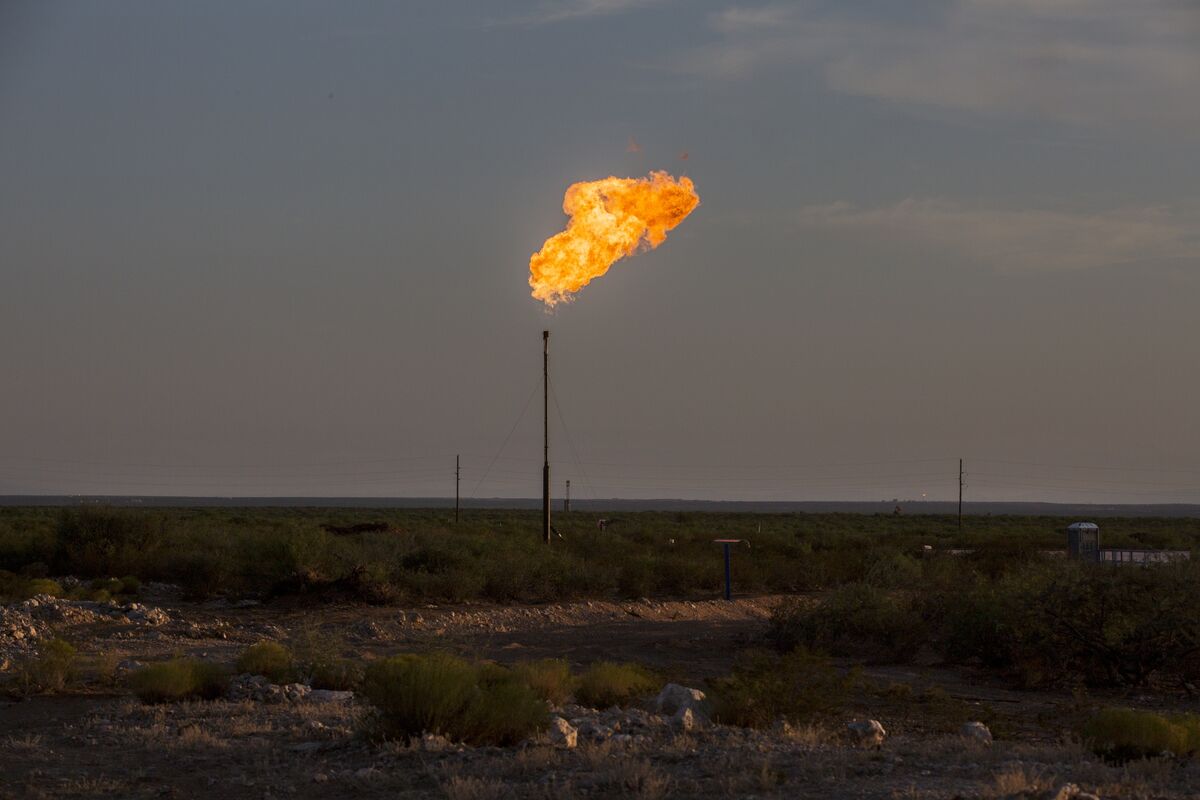
US natural gas supply is described as abundant enough that producers may have to pay buyers to take it, even as the Iran war is choking global gas supplies and triggering rationing and blackouts across Asia and Africa. The article suggests this divergence could support US manufacturing and create an economic tailwind, while Europe faces a heightened risk of winter energy shortages. The setup is broadly supportive for US energy producers and industrial users, but negative for global gas markets and import-dependent regions.
This is a classic regional price dislocation that should widen the spread between U.S. gas and delivered global gas-linked energy costs, not a simple bullish call on the entire complex. The near-term winner is U.S. industrials with heavy gas exposure: ammonia, methanol, glass, paper, and select metals names should see input-cost relief and better margin stability into winter, while Europe and import-dependent Asian manufacturers face a renewed competitiveness squeeze. Second-order effect: the U.S. becomes an even more attractive marginal location for energy-intensive capex, which supports reshoring narratives and could extend the cycle for Gulf Coast manufacturing and data-center buildouts.
The market is likely underestimating how quickly this can turn from a commodity story into an FX and policy story. Persistently cheap U.S. gas can pressure LNG export economics at the margin if domestic basis blows out enough, but that also incentivizes additional midstream buildout and upstream drilling in dry-gas basins. The key risk is a swift geopolitical de-escalation or a warm winter, which would collapse the panic premium in Asian/European gas within weeks; the longer-dated bullish case is that global supply remains structurally fragile, keeping U.S. gas relatively cheap for months while foreign buyers pay up for security of supply.
The contrarian view is that the obvious trade—long U.S. gas producers—is not the best expression. If producers are literally paying to move molecules, the cleaner trade is long downstream beneficiaries and short gas-intensive industrials outside the U.S., because the spread between U.S. feedstock and global delivered prices is the real wedge. Another underappreciated angle is that cheap U.S. gas can be disinflationary for domestic CPI over several months, which could indirectly support rate-sensitive equities even if headline energy volatility remains high.
If the conflict widens or LNG infrastructure is disrupted, the market could reprice the entire energy complex higher within days; otherwise the pain should remain concentrated in non-U.S. importers and the benefit in U.S. manufacturing stocks should compound over 1-3 quarters.
AI-powered research, real-time alerts, and portfolio analytics for institutional investors.
Request DemoOverall Sentiment
neutral
Sentiment Score
0.15
