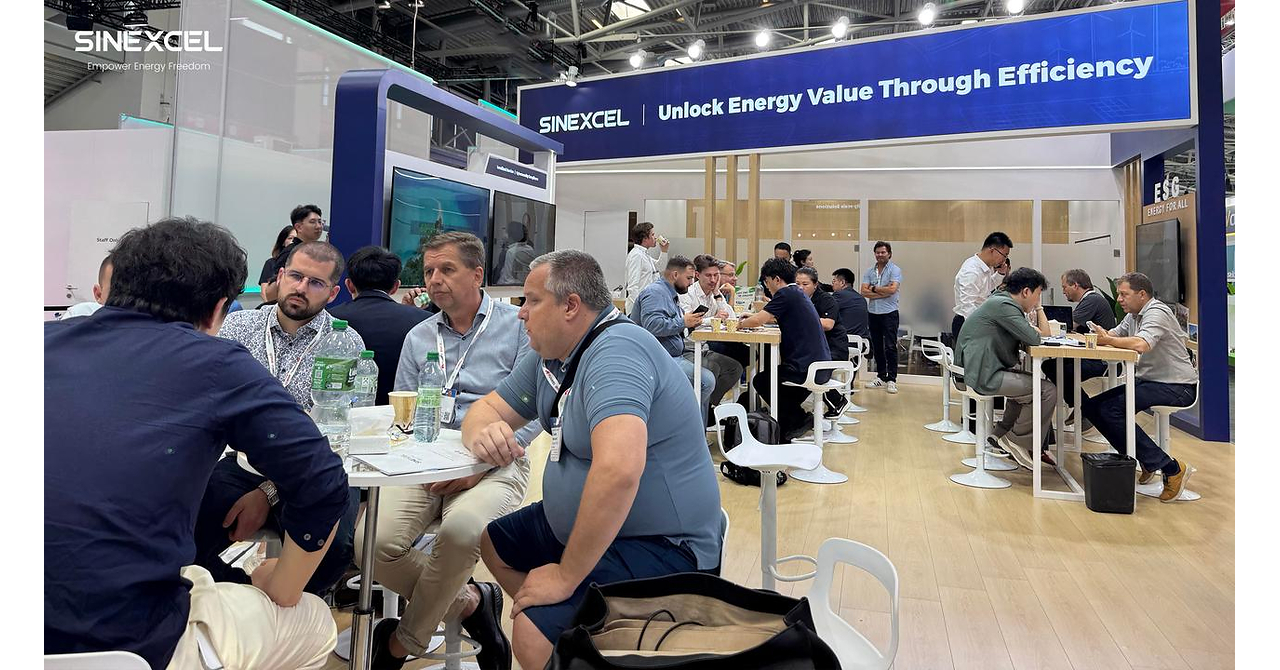
SINEXCEL potwierdził podczas Intersolar Europe 2026 długoterminowe zaangażowanie na rynku europejskim, prezentując falownik PCS StellaON 1250K/1575K (Infineon) dla wielkoskalowych BESS. Rozwiązanie ma osiągać 98,5% sprawności przy pełnym obciążeniu oraz pracować z pełną mocą do 55°C, z obsługą funkcji grid-forming. Firma podkreśla też wsparcie zgodności (certyfikaty TÜV SÜD/TÜV NORD, zgodność z polskim kodeksem sieciowym) i cyberbezpieczeństwa (CRA, NIS2) oraz budowę europejskiej sieci serwisowej, wraz z umową z Tesla Energy Holding na realizację inwestycji BESS.
European BESS procurement is shifting from a pure hardware decision to a bankability stack: certification, cyber compliance, field service, spare parts, and local commissioning. That favors vendors and component suppliers that can wrap commodity power electronics in a financing-friendly package, even if the actual hardware edge is modest. For Infineon, the signal is less about immediate revenue and more about incremental design-win gravity in a market where content per project rises as grid-forming and high-temperature specs become standard.
The second-order loser is the mid-tier OEM that competes only on price or cannot support EU utility customers with lifecycle service. As more projects require local support and documented cyber posture, pricing power should migrate away from standalone PCS vendors and toward the firms that control certification pathways and after-sales coverage. That said, this is still a highly competitive market: if Chinese suppliers keep winning EU approvals, the medium-term effect may be margin compression rather than broad share gains for incumbents.
TSLA should not be treated as a direct beneficiary. The Tesla-branded counterparty is not evidence of incremental U.S. Tesla Energy demand, and any stock reaction would likely be name recognition noise rather than a durable fundamental signal. The thesis is falsified if EU regulators harden critical-infrastructure rules faster than non-EU vendors can adapt, or if these partnerships fail to convert into disclosed project backlog over the next 1-2 quarters.
AI-powered research, real-time alerts, and portfolio analytics for institutional investors.
Request DemoOverall Sentiment
mildly positive
Sentiment Score
0.35
Ticker Sentiment
