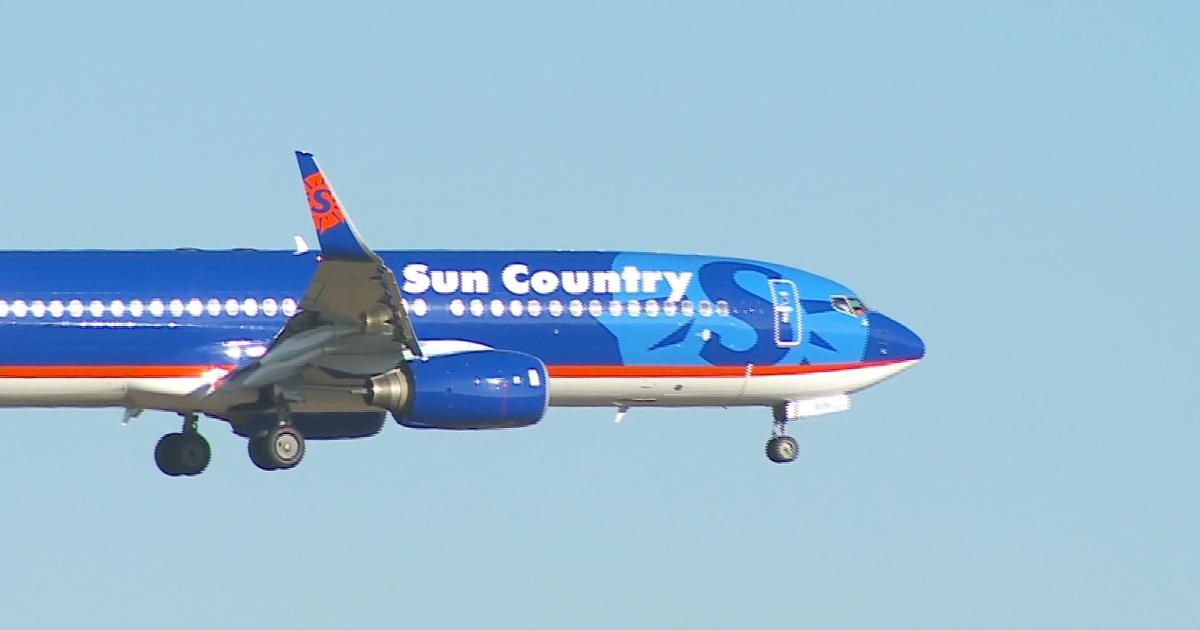
Allegiant will acquire Sun Country in a $1.5 billion cash-and-stock transaction to create a leading U.S. leisure carrier headquartered in Las Vegas while maintaining a significant Twin Cities presence. The combined airline is projected to operate nearly 200 aircraft and offer more than 650 routes; the deal has been approved by both boards and is expected to close in the second half of 2026 subject to federal approvals. As part of the agreement Sun Country CEO Jude Bricker and two Sun Country board members will join Allegiant's board while Allegiant CEO Gregory C. Anderson remains in his role.
Market structure: The tie-up creates a larger leisure-focused LCC with ~200 aircraft and ~650 routes, concentrating capacity in tertiary/TSA-light markets and likely increasing route density on leisure corridors. Winners: Allegiant (ALGT) shareholders via scale and Sun Country (SNCY) holders receiving cash+stock; airport service vendors and leisure travel REITs should see higher demand. Losers: regional feeders and legacy carriers on overlapping leisure routes could face short-term yield pressure. Cross-asset: expect modest credit spread widening for highly leveraged or smaller carriers, short-term option vol pick-ups in ALGT/SNCY, and muted FX effects; oil exposure stays correlated with global jet-fuel trends, not the deal itself.
Risk assessment: Key tail risks are regulatory (DOJ antitrust suit mirroring Spirit/JetBlue precedent), integration failure (fleet heterogeneity, labour concessions) and financing shocks if credit markets tighten before H2 2026 close. Timeframe: immediate days see volatility; short-term 3–12 months centers on regulatory filings; long-term 12–36 months is about synergies and fleet rationalization. Hidden dependencies include pilot scope clauses, aircraft commonality and gate slots at constrained airports that can force asset divestitures and dilute projected benefits.
Trade implications: Classic merger-arb (long SNCY, hedge stock leg with short ALGT to the announced exchange ratio) is primary — target spreads >4% annualized for entry and size 2–4% NAV. If risk appetite higher, long ALGT (3–5% NAV) for 12–36 month upside if cost synergies >5% unit-cost reduction; hedge with 6–9 month ALGT put spreads (10–15% OTM) sized 1–2% NAV to cap regulatory loss. Rotate 1–3% from legacy network carriers (AAL, LUV) into leisure/airport services names over next 6–12 months.
Contrarian angles: Consensus underestimates regulatory friction — DOJ blocked similar consolidation recently, so probability of remedies or prolonged review is non-trivial (25–40%). Conversely, market may underprice long-term network rationalization gains if combined firm can reduce CASM by even 3–5% within 24 months. Historical parallel: JetBlue-Spirit showed aggressive DOJ scrutiny and forced concessions; here expect similar bargaining leading to deal re-pricing or divestitures. Unintended consequence: forced divestitures of routes/slots could create localized competition increases and transient revenue deterioration, creating short windows to exploit mispricings.
AI-powered research, real-time alerts, and portfolio analytics for institutional investors.
Request DemoOverall Sentiment
moderately positive
Sentiment Score
0.45
Ticker Sentiment
