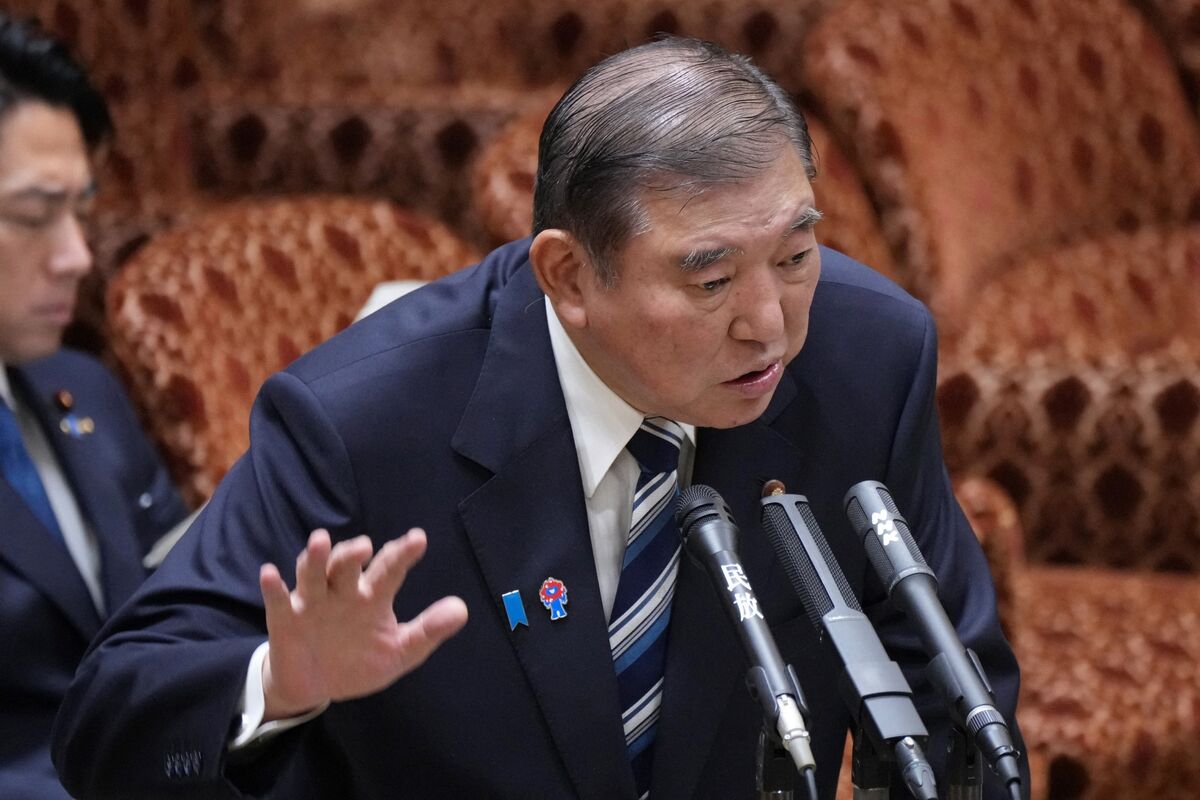
Japanese Prime Minister Shigeru Ishiba is reportedly maneuvering to maintain his position amidst tariff negotiations with the US and upcoming upper house elections. According to Japanese media, Ishiba is considering dissolving the lower house of parliament should the opposition pursue a no-confidence vote before the end of June, signaling a proactive strategy to manage potential political challenges.
Japanese Prime Minister Shigeru Ishiba is reportedly considering a preemptive dissolution of the lower house of parliament if the opposition tables a no-confidence motion before the current session concludes in late June. This strategic maneuver, as cited by Japanese media outlets like the Asahi newspaper from unnamed government sources, appears aimed at consolidating power and outflanking political rivals amidst sensitive US tariff negotiations and ahead of an upper house election scheduled in under two months. The situation introduces a degree of political uncertainty, reflected in a mildly negative sentiment and an uncertain tone surrounding these developments. While no specific entities are directly implicated, the confluence of domestic political instability, ongoing trade policy discussions, and upcoming elections carries a moderate potential market impact, particularly concerning Japanese market stability and investor confidence.
AI-powered research, real-time alerts, and portfolio analytics for institutional investors.
Request DemoOverall Sentiment
mildly negative
Sentiment Score
-0.30
