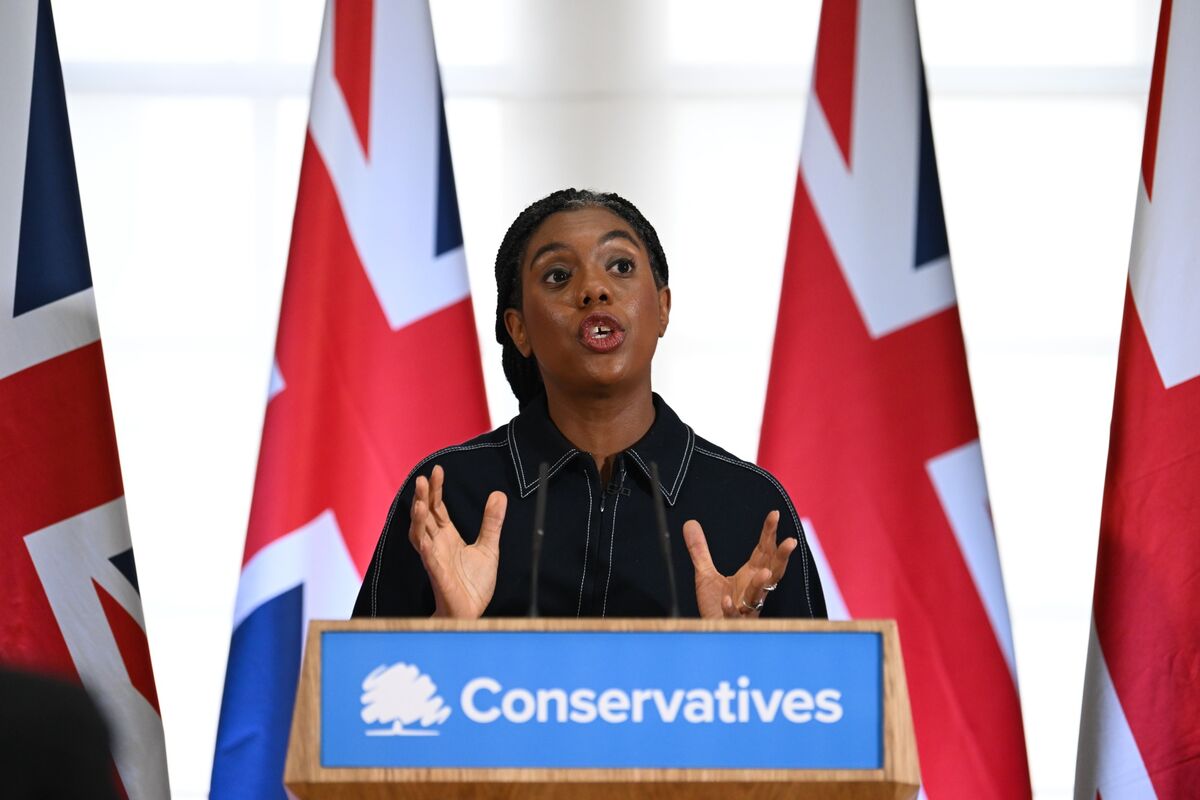
UK opposition leader Kemi Badenoch has reshuffled her Conservative shadow cabinet, appointing James Cleverly as Shadow Housing Secretary, Stuart Andrew as Shadow Health Secretary, Nigel Huddleston as Shadow Culture Secretary, and Kevin Hollinrake as Party Chairman. This strategic move aims to reset her leadership and address internal pressure following the party's significant election defeat, signaling an effort to re-establish stability and direction within the opposition.
UK Conservative opposition leader Kemi Badenoch has executed a shadow cabinet reshuffle, a strategic move aimed at resetting her leadership and addressing internal party pressure one year after a significant election defeat. Key appointments include placing Tory moderate James Cleverly as shadow housing secretary, Stuart Andrew as shadow health secretary, and Kevin Hollinrake as party chairman. This reshuffle signals an attempt to stabilize the party and potentially pivot its messaging by bringing in different voices. The appointment of a moderate like Cleverly to a key post could be interpreted as an effort to broaden the party's appeal or unify internal factions. As indicated by a neutral market impact score of 0.0, this event is confined to the UK's domestic political sphere and does not carry immediate, direct implications for financial markets.
AI-powered research, real-time alerts, and portfolio analytics for institutional investors.
Request DemoOverall Sentiment
neutral
Sentiment Score
0.00
