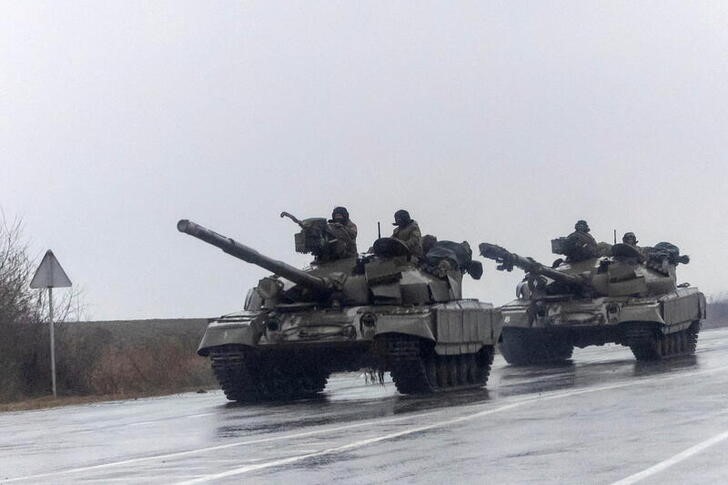
U.S.-brokered talks between Ukraine and the U.S. convened in Florida for a weekend session aimed at drafting bilateral documents and a framework for ending the four-year conflict; discussions are focused on a proposed wide-ranging drone-technology agreement and formalizing defense partnerships with eight Middle Eastern nations. Talks were described as "constructive" but remain deadlocked on the core issue of Donbas sovereignty, where Moscow demands full cession of eastern territory and Kyiv firmly rejects concessions. U.S. envoys Steve Witkoff and Jared Kushner are seeking a breakthrough beyond prior limited results (e.g., prisoner exchanges); markets and defense-sector investors will watch for any sign of pragmatism on sanctions or territorial flexibility that could materially de-escalate the war.
A pivot toward exporting and co-producing unmanned systems will shift procurement from one-off buys to multi-year industrial partnerships, concentrating demand on components that scale: EO/IR sensors, gimbals, datalinks, guidance INS/GPS alternatives, and turboshaft/jetlet engines. Expect order-books to front-load small- to mid-cap suppliers of avionics and optics within 6–18 months, while large primes will monetize systems integration and sustainment over 2–5 years, creating a secular divergence in margin profiles between pure-play subsystem suppliers and systems integrators.
Regulatory and supply-chain frictions are the choke points: ITAR/EAR reclassifications, third‑party licensing, and wafer-level shortages for hardened rad-hard processors will govern who can scale fast. A realistic timeline is patches and service agreements visible in quarters (3–9 months) but meaningful revenue recognition and FCF for manufacturers not yet in Western procurement panels will come in 12–36 months, with a binary catalyst being formal export-licensing streamlining or conversely fresh sanctions that re-close markets.
Geopolitical second-order effects favor regional assembly and duplication of design IP to avoid single-source risk—this benefits contract manufacturers and EMS firms in Poland/Romania/Turkey and cloud/comms firms that provide resilient C2 links. Tail scenarios include a rapid de-escalation that truncates defense spending growth (6–12 months) or escalation that triggers emergency procurement and large, multi-year O&M contracts; both outcomes create tradable windows but different sector winners.
AI-powered research, real-time alerts, and portfolio analytics for institutional investors.
Request DemoOverall Sentiment
neutral
Sentiment Score
0.00
