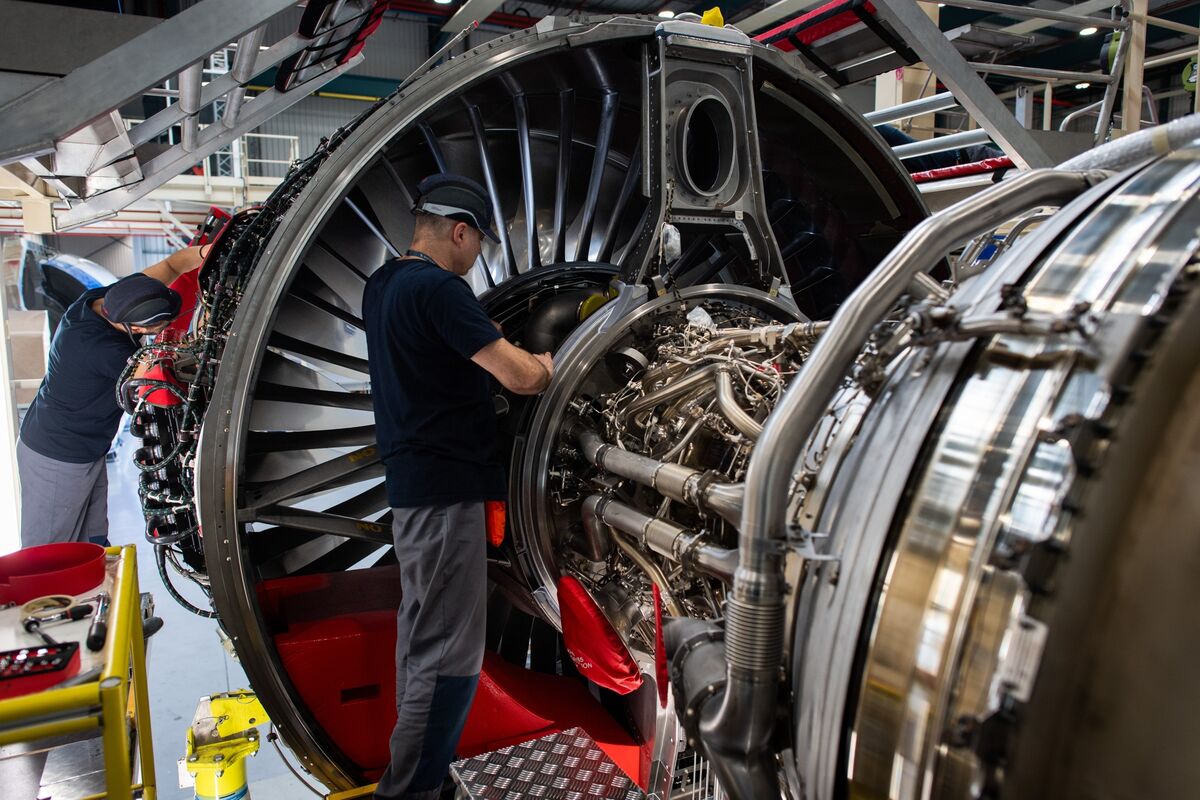
Rolls-Royce Holdings Plc is nearing a deal to offload its £4 billion ($5.4 billion) UK pension liabilities to Pension Insurance Corp., a significant balance sheet de-risking move. This potential transaction, which could be announced as soon as this month, would remove a substantial financial burden from the aircraft engine maker, though negotiations could still face delays or fall apart.
Rolls-Royce Holdings Plc is in advanced negotiations to offload its UK pension liabilities, valued at nearly £4 billion ($5.4 billion), to Pension Insurance Corp. This potential transaction represents a significant de-risking event for the manufacturer, as it would remove a substantial and volatile long-term financial obligation from its balance sheet. Transferring the pension pot to a specialist insurer would insulate Rolls-Royce from future market fluctuations and longevity risks associated with the scheme, thereby improving the quality and predictability of its financial position. While the deal is reportedly near completion with a possible announcement this month, the discussions remain private and carry the risk of delay or failure, introducing an element of uncertainty to the outcome. The market's moderately positive sentiment reflects the strategic importance of this move for strengthening the company's fundamentals and restructuring its long-term liabilities.
AI-powered research, real-time alerts, and portfolio analytics for institutional investors.
Request DemoOverall Sentiment
moderately positive
Sentiment Score
0.65
