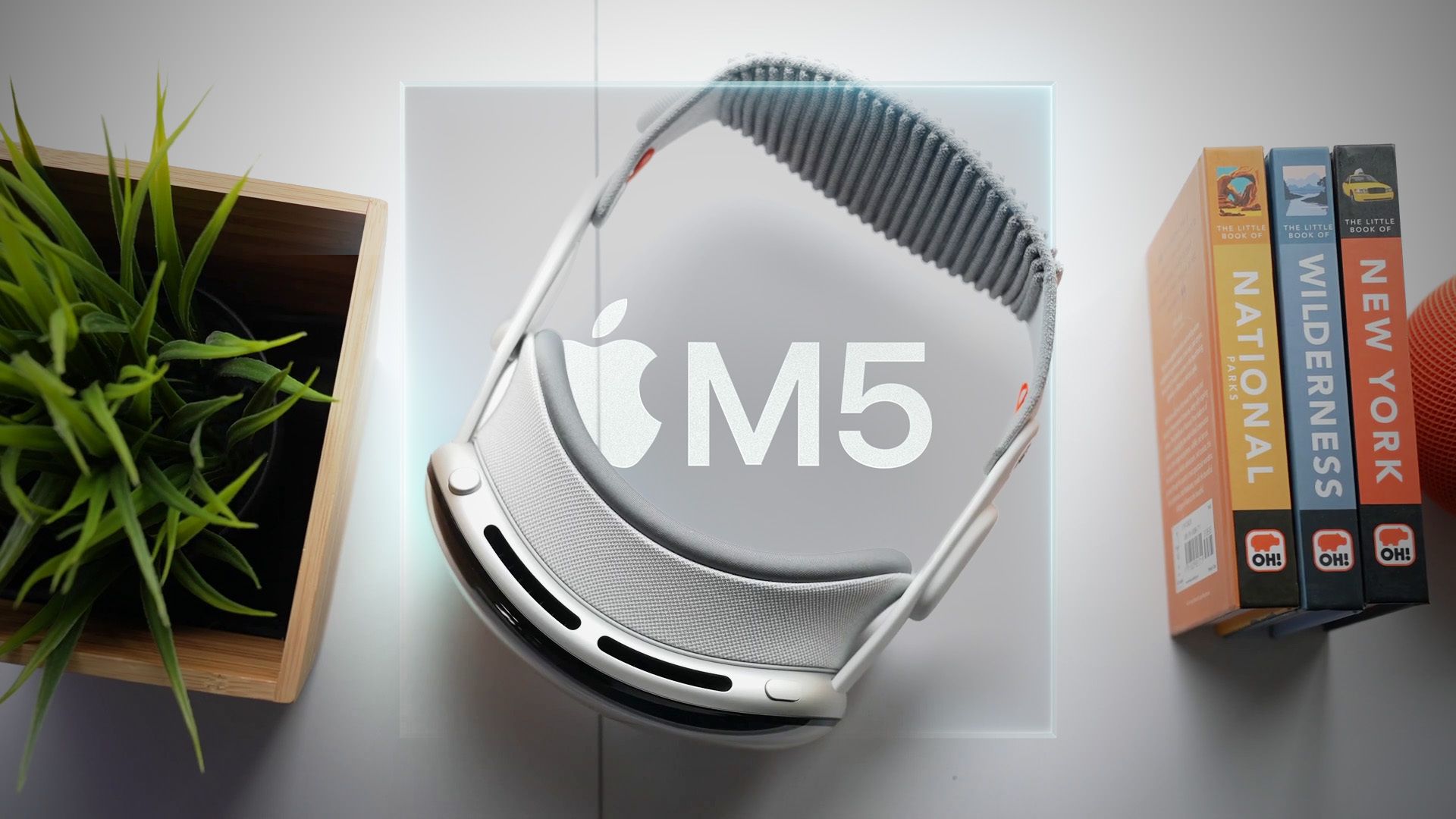
Apple's next Vision Pro-style headset is now said to be at least two years away, and the long-rumored cheaper 'Vision Air' was canceled last year. Bloomberg's Mark Gurman says Apple's mixed-reality talent has been shifted toward lightweight smart glasses and other AI wearables, including Siri chatbot work and camera-equipped AirPods. The report is a cautious update on Apple's headset roadmap, with limited near-term impact beyond sentiment around the product line.
The key read-through is not the absence of a Vision Pro sequel, but the evidence that Apple is reallocating scarce platform talent toward products with a wider TAM and better iteration cadence. That usually implies a longer monetization lag for immersive computing, while increasing the odds that Apple’s next meaningful hardware step is a lower-friction AI accessory rather than another premium headset. In other words, the strategic optionality is still there, but the probability-weighted NPV of Vision Pro as a standalone category looks lower over the next 12-24 months.
For competitors, this is subtly bullish for the broader mixed-reality ecosystem because Apple is no longer setting a near-term pace on high-end headsets; that can relieve pricing pressure on incumbents and allow niche players to keep selling into enterprise and enthusiast demand. The second-order winner may actually be component suppliers exposed to smart glasses and camera-enabled wearables rather than display-heavy headset supply chains, where the mix shift toward lighter devices should favor optics, sensors, and power-management over expensive enclosure and compute subsystems.
The negative read-through for AAPL is less about units and more about product credibility: repeated deferrals reinforce the market’s suspicion that Apple’s next big category is still years away, which caps multiple expansion if services growth is the only visible engine. The offset is that a successful AI-wearables roadmap could be a larger earnings lever than a niche headset, but that’s a 2026-2027 story, not a near-term catalyst. For NYT, the article is marginally supportive of engagement and book-driven attention, but the revenue impact is too small to matter versus its core subscription and ad thesis.
AI-powered research, real-time alerts, and portfolio analytics for institutional investors.
Request DemoOverall Sentiment
mildly negative
Sentiment Score
-0.15
Ticker Sentiment
