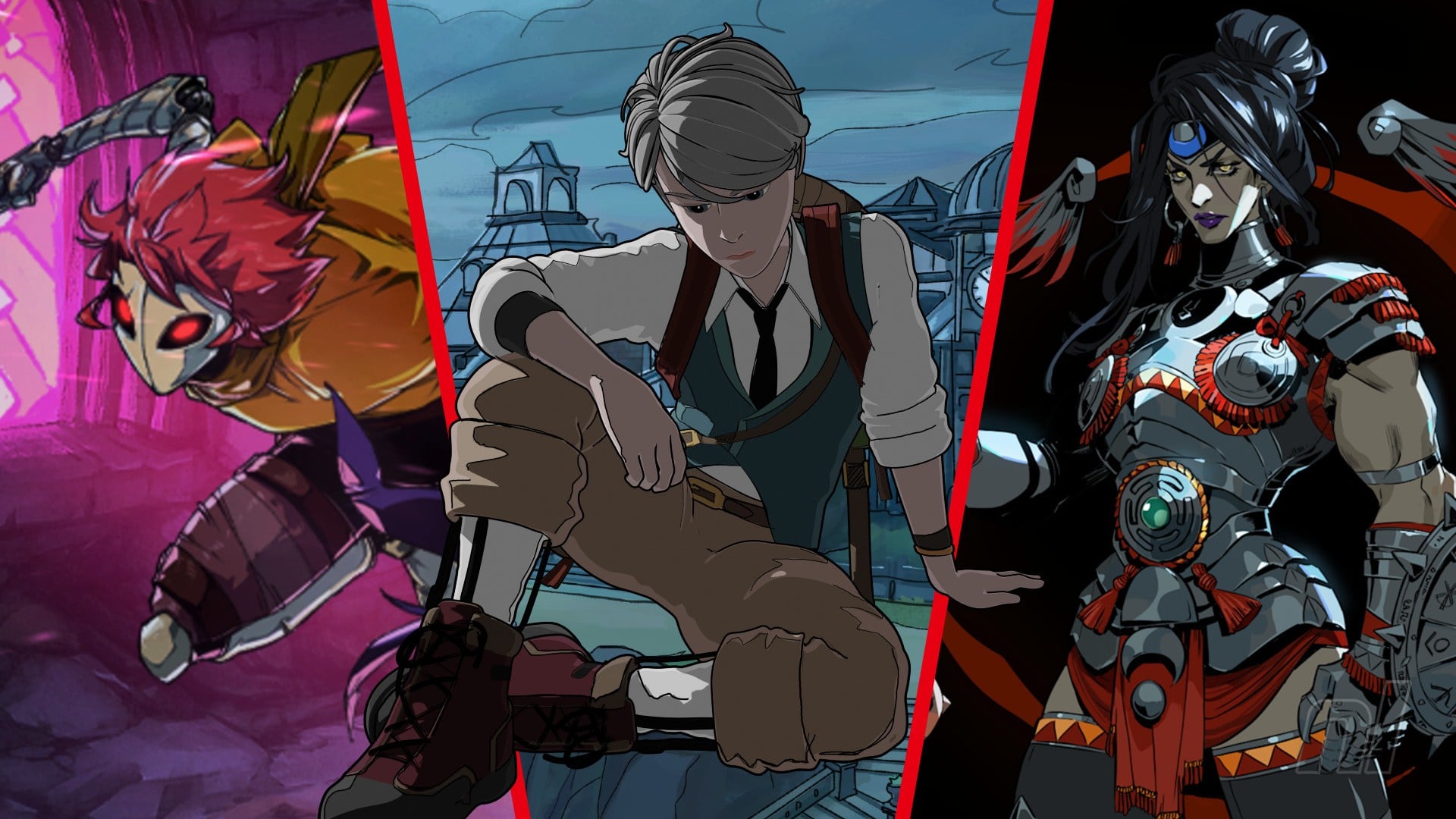
Nintendo’s North American eShop has launched a new "Spotlight Sale" running through 29 April at 11:59pm PT, discounting a broad slate of Switch and Switch 2 titles. The article is largely a consumer-focused buying guide highlighting highly rated games and reduced prices, with examples including Absolum at $18.74, Cyberpunk 2077: Ultimate Edition at $39.99, and Hades II at $23.99. The news is positive for game discovery and short-term digital sales, but it is routine promotional content with limited broader market impact.
This is less a consumer-spending signal than a monetization signal for a mature platform: Nintendo is using recurring discount events to keep first-party and high-quality third-party catalog titles liquid without materially impairing the premium price architecture of its tentpoles. The key second-order effect is that sales like this extend the tail of the install base’s engagement cycle, which supports accessory attach, digital credit sales, and lower-churn recurring ecosystem usage ahead of bigger release windows.
The winners are the publishers with durable back-catalog IP and efficient ports. Low-price, high-quality evergreen titles should continue to outperform in unit terms because the incremental consumer decision is now driven more by perceived value than novelty; that favors IP-rich franchises and competent remasters over new, unproven launches. The loser is the mid-tier AA developer trying to launch at $30-$40 in the same storefront window, because the promotion compresses willingness-to-pay and makes it harder to stand out unless the game has a strong review halo.
The market’s likely underappreciating the hardware implication: sales like this can indirectly support Switch 2 adoption by making the ecosystem feel dense immediately, even when the headline buys are older cross-gen titles. At the same time, there is a ceiling on the uplift—recurring discounts train consumers to wait, which can cannibalize full-price conversions if the promotion cadence becomes too predictable. The most important catalyst is whether these promotions lead to a measurable spike in eShop engagement and attach rate in the next 2-6 weeks; absent that, the effect fades quickly.
Contrarian view: this is not a broad demand acceleration story, it is a redistribution story. The discount event may simply pull forward purchases that would have happened later, while concentrating spend in a smaller set of proven franchises. That means the trade is not to buy the whole games complex indiscriminately, but to own IP owners with pricing power and avoid names reliant on launch momentum or margin-accretive full-price conversion.
AI-powered research, real-time alerts, and portfolio analytics for institutional investors.
Request DemoOverall Sentiment
mildly positive
Sentiment Score
0.20
