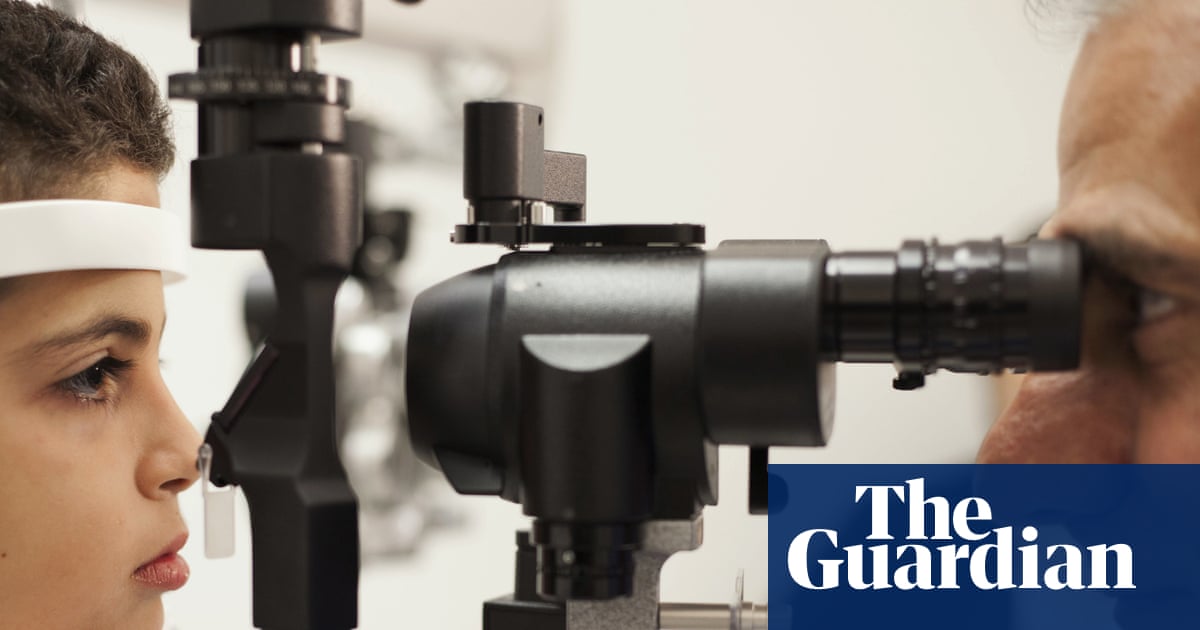
The article highlights the $3m Breakthrough Prize for life sciences awarded for Luxturna, the first approved gene therapy for blindness, which was approved in the US in 2017 and transformed treatment for Leber congenital amaurosis (LCA). It also notes recognition for the Casgevy-related sickle cell and beta thalassaemia gene-therapy work, underscoring continued momentum in genetic medicines. The news is highly positive for biotech innovation, though market impact is likely limited because the key therapies are already known and commercialized.
This is a durable bullish signal for the gene-therapy/platform stack, but the market should distinguish between scientific validation and near-term commercial monetization. The real second-order effect is not the prize itself; it is the de-risking of regulatory and payer narratives for rare-disease one-time treatments, which can pull forward investor willingness to fund higher upfront R&D spend and more aggressive business development. That favors companies with ex vivo editing, AAV/vector manufacturing, and ophthalmology/neurogenetics pipelines, while pressuring incumbents whose value rests on chronic-treatment models.
The more actionable implication is that the next leg of alpha will likely come from capacity and delivery bottlenecks rather than discovery headlines. As gene therapies move from “proof of concept” to “can it scale,” the winners are the firms with control over manufacturing slots, viral-vector supply, and hospital-administered treatment networks; the losers are smaller biotechs that depend on third-party CMO capacity and underwrite value on a single asset. In the sickle-cell/thalassemia space, the path to broad adoption remains constrained by patient logistics, reimbursement friction, and physician reluctance to send otherwise stable patients into intensive procedures, so unit economics may disappoint even when biology works.
The contrarian view is that the enthusiasm is partly backward-looking: these awards validate a decade-old modality while the commercial frontier is shifting toward in vivo editing, shorter-treatment regimens, and potentially non-viral or oral approaches. If that transition accelerates, capital may rotate away from the early pioneers toward newer delivery platforms, meaning today’s celebration can mark a local peak in “classic gene therapy” sentiment rather than a broad re-rating of the whole sector. The key risk horizon is 6-18 months, when reimbursement data, real-world durability, and safety signals will determine whether these therapies become niche prestige products or scalable franchises.
AI-powered research, real-time alerts, and portfolio analytics for institutional investors.
Request TrialOverall Sentiment
strongly positive
Sentiment Score
0.70
