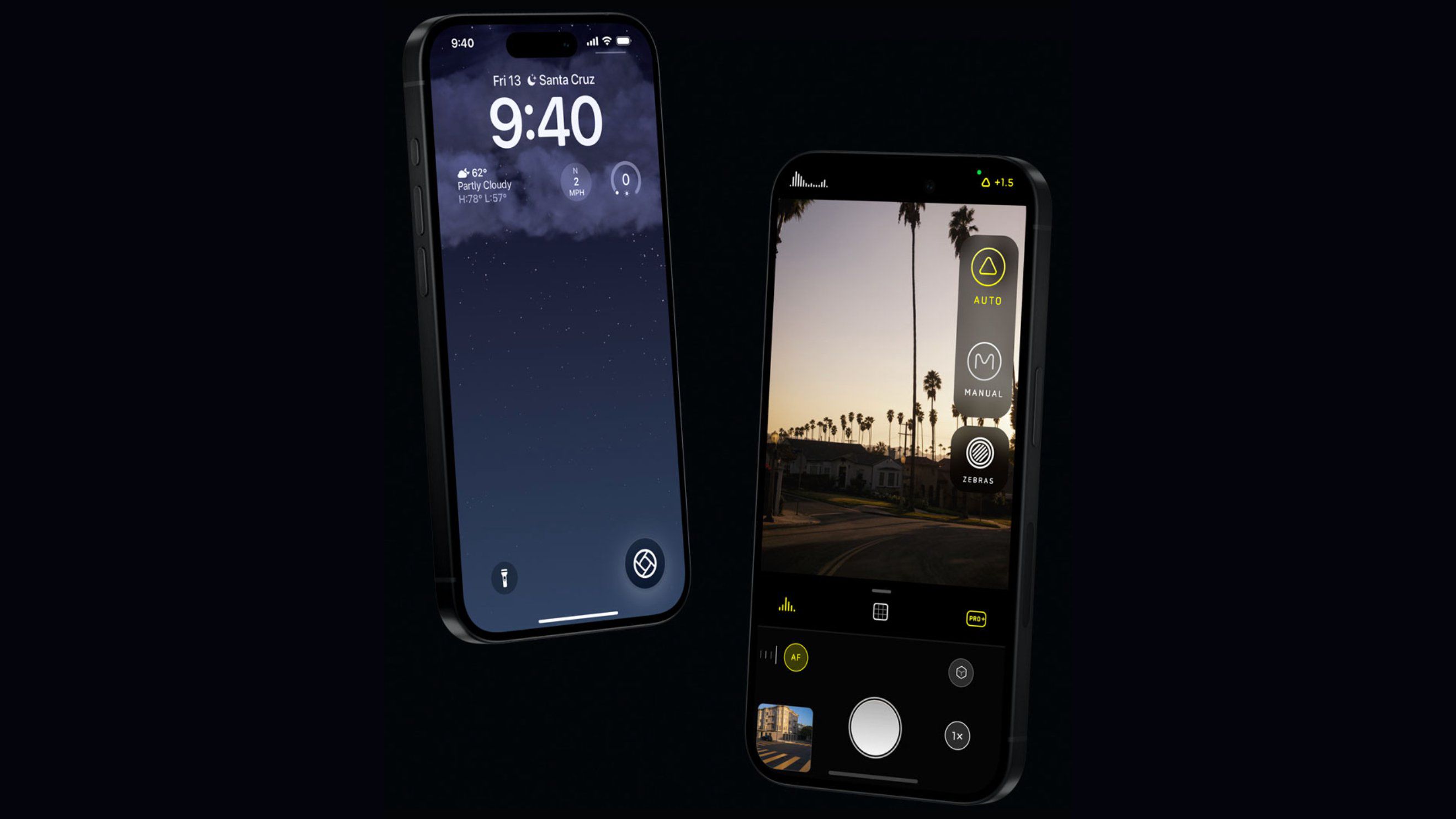
Lux Optics' co-founder Ben Sandofsky has sued former co-founder Sebastian de With in California alleging improper use of more than $150,000 in company funds and unauthorized transfer of confidential material and source code to Apple. Apple held acquisition talks for Lux in summer 2025 but did not buy the company and later recruited de With, who joined Apple's design team in January; Apple is not named as a defendant. de With denies the allegations, calling the suit retaliatory after he raised concerns about Lux's finances. The dispute follows reported Apple interest in Lux IP to upgrade the iPhone 18 Pro Camera app.
Apple’s behavior around boutique imaging talent and IP suggests an acceleration of efforts to close the gap between smartphone and professional imaging capabilities; that increases the marginal content-per-phone for premium camera components and raises bargaining leverage for a small set of suppliers who can meet high optical and sensor specifications. Expect 6–18 month cascades: sensor and lens ASPs rise as Apple (and peers reacting to Apple) demand higher-spec modules, while indie camera-software monetization compresses as platform capabilities eat into paid feature sets.
The legal skirmish elevates a non-linear tail risk for dealmaking and talent hires: even unproven allegations can create stoppages, slower integrations, and conservative HR/legal processes inside FAANGs that delay product cycles by quarters. The path to resolution (settlement, injunction, protracted litigation) will drive episodic volatility in perception of IP-exposure risk; watch court docket activity and any emergency motions for near-term price action.
Strategically, this dynamic favors suppliers of differentiated hardware and on-device compute (sensors, lens makers, ISP/SoC capacity) more than standalone app developers. If Apple opts to internalize capabilities rather than buy, M&A appetite in the camera-app space will cool, compressing exit multiples for startups and directing VC capital toward upstream optics/semiconductor plays instead.
The consensus framing will treat this as a legal noise story; that understates the operational effect — tightened hiring/integration processes and higher supplier concentration. That structural change is slow-moving (6–24 months) but creates clear asymmetric opportunities to play component winners and to hedge Apple equity around product-cycle and legal-court catalysts.
AI-powered research, real-time alerts, and portfolio analytics for institutional investors.
Request DemoOverall Sentiment
mildly negative
Sentiment Score
-0.25
Ticker Sentiment
