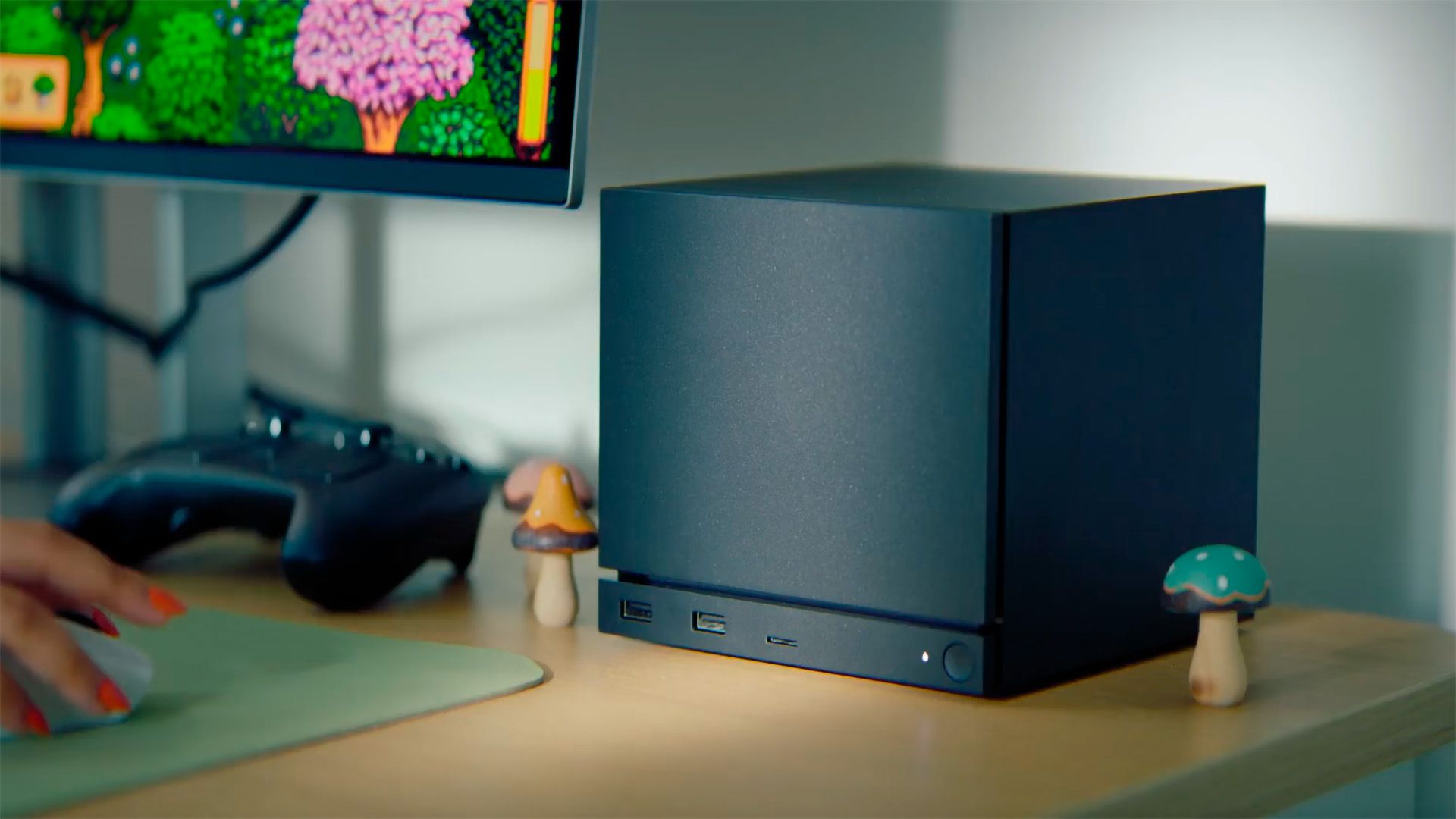
Valve’s Steam Machine has appeared in Vulkan’s conformant product database, indicating the hardware, OS, and drivers meet the graphics API’s standards. The listing is a modest positive signal that development is still active, but it does not confirm launch timing, performance, or game compatibility. The article highlights ongoing delays and cost pressure from elevated memory and storage prices, with no official release date yet.
The incremental read-through is not just “Valve is still alive”; it is that AMD keeps a real-design-win option on a premium, semi-custom client device at a time when PC demand is still normalizing and console-cycle share gains remain elusive. A shipping Steam Machine would likely be low-volume versus mainstream consoles, but it can still matter because it validates AMD’s APUs, graphics drivers, and Linux/Vulkan stack in a high-visibility ecosystem that influences enthusiasts and OEMs. The second-order benefit is strategic: any successful Valve box broadens the addressable market for AMD silicon without requiring AMD to fund the platform economics itself.
The bigger constraint is cost structure, not engineering. If memory and storage remain elevated into the next 1-2 quarters, the likely outcome is either a delayed launch, a higher ASP than the gamer base expects, or a narrower SKU mix that limits unit upside. That creates asymmetric risk for the ecosystem: Valve can tolerate delay, but suppliers and accessory makers cannot, while competing lightweight Windows gaming PCs may capture the enthusiast spend that was supposed to migrate to SteamOS-based hardware.
For AMD, the near-term equity impact is modest unless this becomes a broader narrative reset around client mix and software differentiation. The more interesting catalyst is if certification is followed by supply-chain procurement signals over the next 1-3 months, which would imply the project is moving from validation to commercialization. Otherwise, this remains a soft optionality event, and the market should avoid capitalizing it as a meaningful revenue contributor until pricing and launch cadence are visible.
The contrarian view is that investors may be underestimating how much a “successful but niche” Valve device could improve AMD’s strategic position even with trivial direct revenue. If SteamOS gains traction on living-room PCs, it pressures Microsoft’s Windows gaming moat and could pull more OEM designs toward AMD-friendly open software stacks. That said, the more probable short-term outcome is headline-positive, P&L-negligible, which argues for trading the event rather than underwriting it as a fundamental step-change.
AI-powered research, real-time alerts, and portfolio analytics for institutional investors.
Request DemoOverall Sentiment
neutral
Sentiment Score
0.10
Ticker Sentiment
