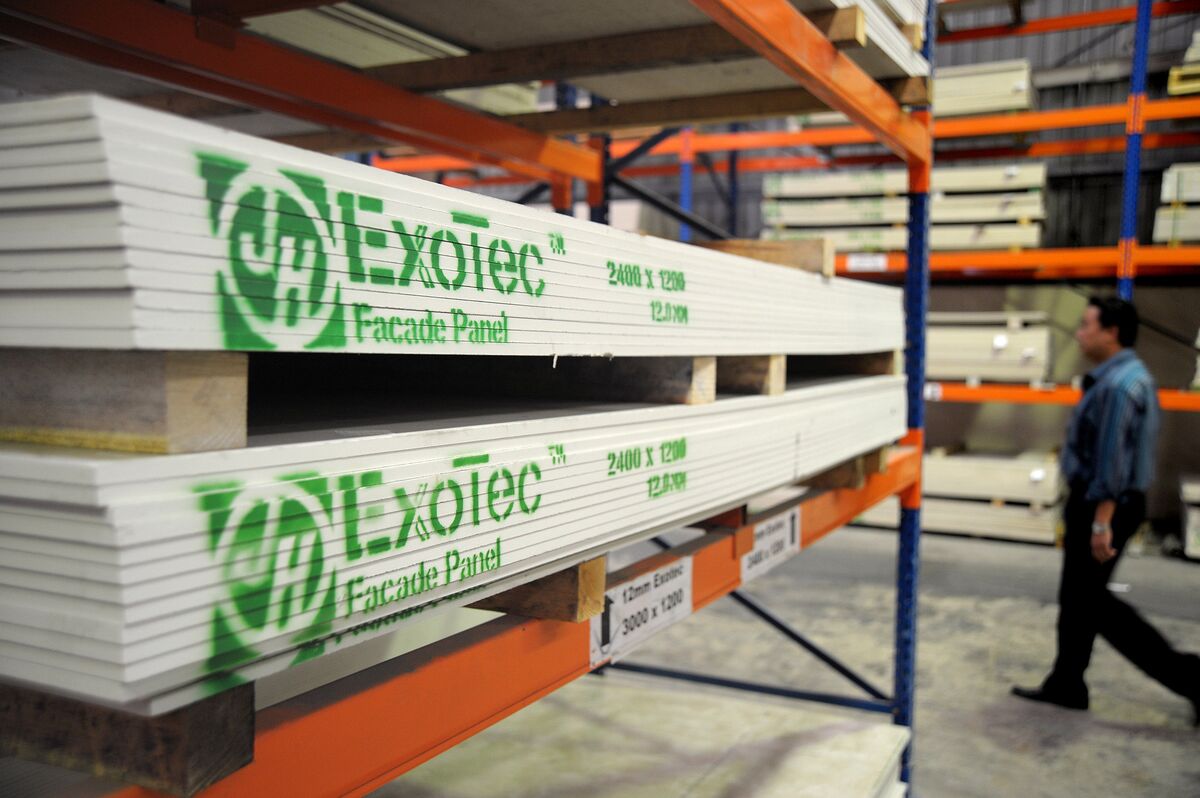
James Hardie Industries Plc shares plunged as much as 30%, their steepest decline since March 2020, after the Australian building materials manufacturer reported a significant drop in its quarterly profit. The company's adjusted net operating profit for the three months ending June fell 29% year-on-year to $126.9 million, triggering a sharp negative market reaction.
James Hardie Industries Plc (JHX) experienced a severe market repricing, with its shares plunging by as much as 30%, marking the most significant single-day decline since March 2020. This drastic sell-off was a direct response to the company's disappointing quarterly financial results. For the three months ending in June, the building materials manufacturer reported an adjusted net operating profit of $126.9 million, which constitutes a substantial 29% year-on-year decrease. The magnitude of both the profit contraction and the subsequent stock drop signals a sharp negative turn in investor sentiment, directly linked to a deterioration in the company's core profitability and fundamental operational performance.
AI-powered research, real-time alerts, and portfolio analytics for institutional investors.
Request DemoOverall Sentiment
strongly negative
Sentiment Score
-0.80
Ticker Sentiment
