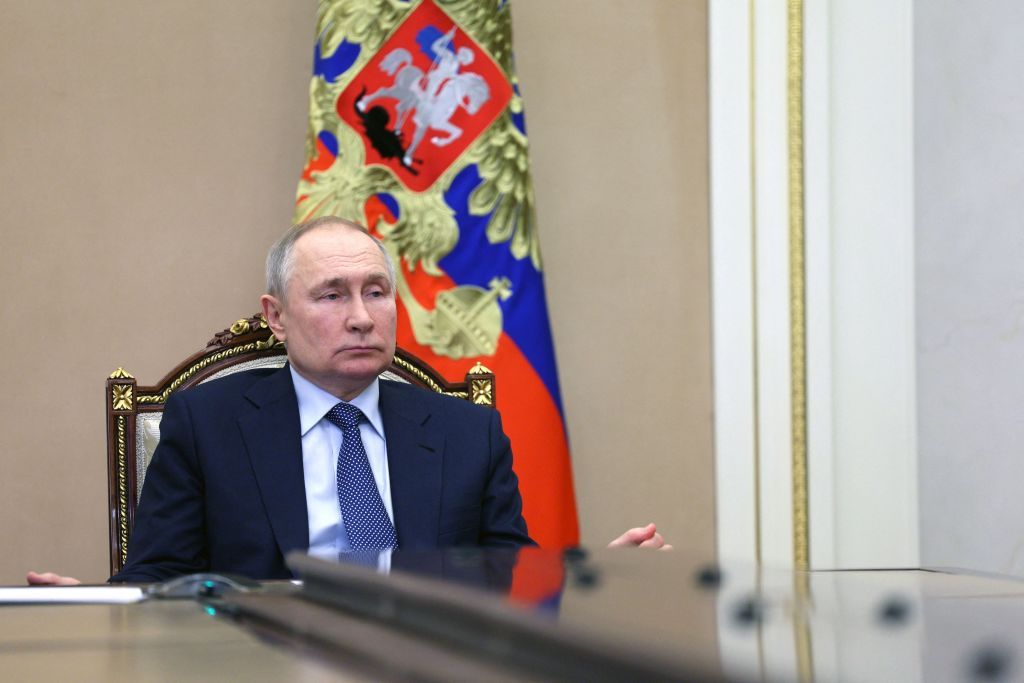
According to Reuters, citing undisclosed Russian sources, President Putin seeks a written guarantee from NATO against eastward expansion and the removal of certain sanctions as preconditions for ending the war in Ukraine. These demands include barring Ukraine, Georgia, and Moldova from future NATO membership, alongside the resolution of frozen Russian assets and the protection of Russian-speaking residents in Ukraine. Putin reportedly believes he may need to demonstrate military gains to compel Ukraine and Europe to accept his terms, while Kyiv has rejected restrictions on joining international alliances as part of any peace agreement.
Russian President Vladimir Putin has outlined stringent conditions for a potential cessation of hostilities in Ukraine, demanding a written NATO pledge against further eastward expansion to include countries like Ukraine, Georgia, and Moldova, alongside the lifting of specific Western sanctions and resolution of frozen Russian assets, as reported by Reuters citing undisclosed Russian sources. Moscow frames Ukraine's NATO aspirations as a primary cause of the conflict, a narrative maintained despite Kyiv's limited prospects for alliance membership when Russian aggression commenced in 2014. Putin is reportedly prepared for a peace agreement but "not at any price," and one source indicated he may seek to leverage further military gains to pressure Ukraine and Europe into accepting terms perceived as increasingly unfavorable over time, stating "peace tomorrow will be even more painful." This stance directly conflicts with Kyiv's rejection of any restrictions on its sovereign right to join international alliances, underscored by its formal NATO membership application in September 2022, which currently lacks consensus among NATO's 32 members. The "strongly negative" sentiment (-0.6) and "uncertain" tone surrounding these developments indicate heightened geopolitical risk and dim prospects for an imminent negotiated settlement, with a moderate market impact score (0.6) reflecting the ongoing significance of this conflict for global markets and related themes such as sanctions and trade policy.
AI-powered research, real-time alerts, and portfolio analytics for institutional investors.
Overall Sentiment
strongly negative
Sentiment Score
-0.60
