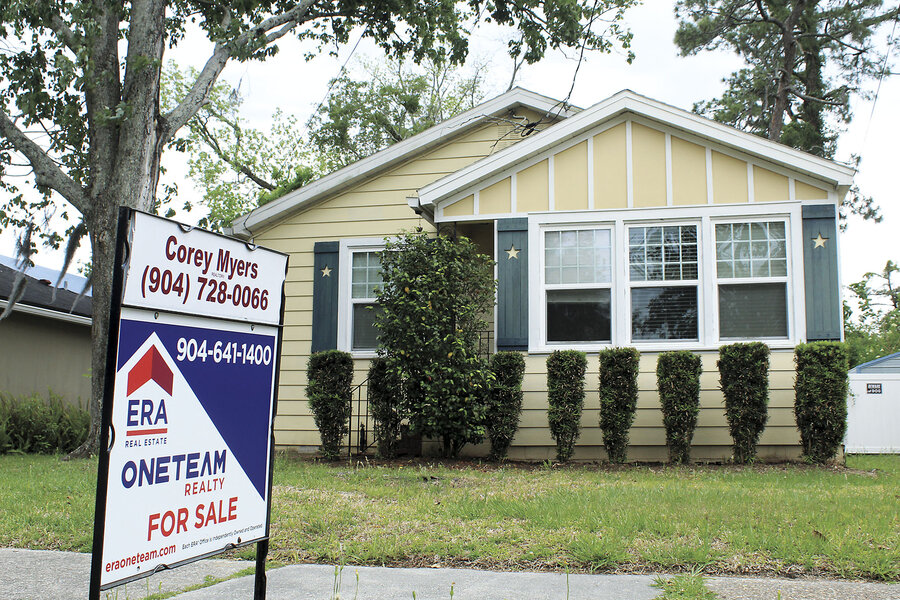
Housing affordability in Florida and the broader South has deteriorated as home prices have risen faster than wages, with the average first-time buyer in Florida now 40 years old versus under 30 two decades ago. Housing starts have slowed since the Great Recession, residential permitting fell more than 20% from 2021 to 2022, and qualifying income for a new home has doubled since 2019 to above $100,000. The article highlights structural supply constraints, higher insurance and fee burdens, and local zoning reforms aimed at expanding starter-home supply.
The key market implication is not just weaker affordability; it is a prolonged downshift in household formation among first-time buyers, which suppresses transaction velocity across the entire home ecosystem. That favors the rental stack and households-with-cash, while punishing anything levered to starter-home turnover: local brokers, mortgage originators, title/escrow, moving services, and regional builders focused on entry-level product. In the South, the demand shock is more structural than cyclical because wage growth, insurance costs, HOA fees, and land-use friction are all pushing the same direction at once.
The second-order winner is multifamily and build-to-rent, especially in growth metros where would-be buyers are forced to rent longer. That should support occupancy and pricing power for high-quality apartment owners even if headline housing sentiment remains weak. The overlooked loser is not just homebuilders but also consumer discretionary names tied to the “starter-home wealth effect” — when first-time buyers fail to convert, they delay furniture, appliances, renovation, and outdoor spending.
Catalyst timing matters: this is a months-to-years story, not a quick mean reversion trade. A meaningful reversal would require a combination of lower mortgage rates, faster nominal wage growth, and a real pickup in starter-home supply; absent that, any local affordability relief likely gets absorbed by latent demand. The contrarian angle is that the market may be over-penalizing all housing exposure uniformly: larger public builders with land discipline and lower-price product could gain share as smaller private developers choke on financing and input costs.
For policy risk, the bigger tail is political rather than economic. If affordability becomes a national voting issue, expect pressure for zoning relaxation, financing innovation, and targeted subsidies, which would help supply but mainly at the margin over a multi-year horizon. Near term, the path of least resistance is continued bifurcation: expensive coastal and Sun Belt “affordable” markets stay stretched, while rental demand and BTR remain the cleaner way to express the theme.
AI-powered research, real-time alerts, and portfolio analytics for institutional investors.
Request DemoOverall Sentiment
moderately negative
Sentiment Score
-0.35
