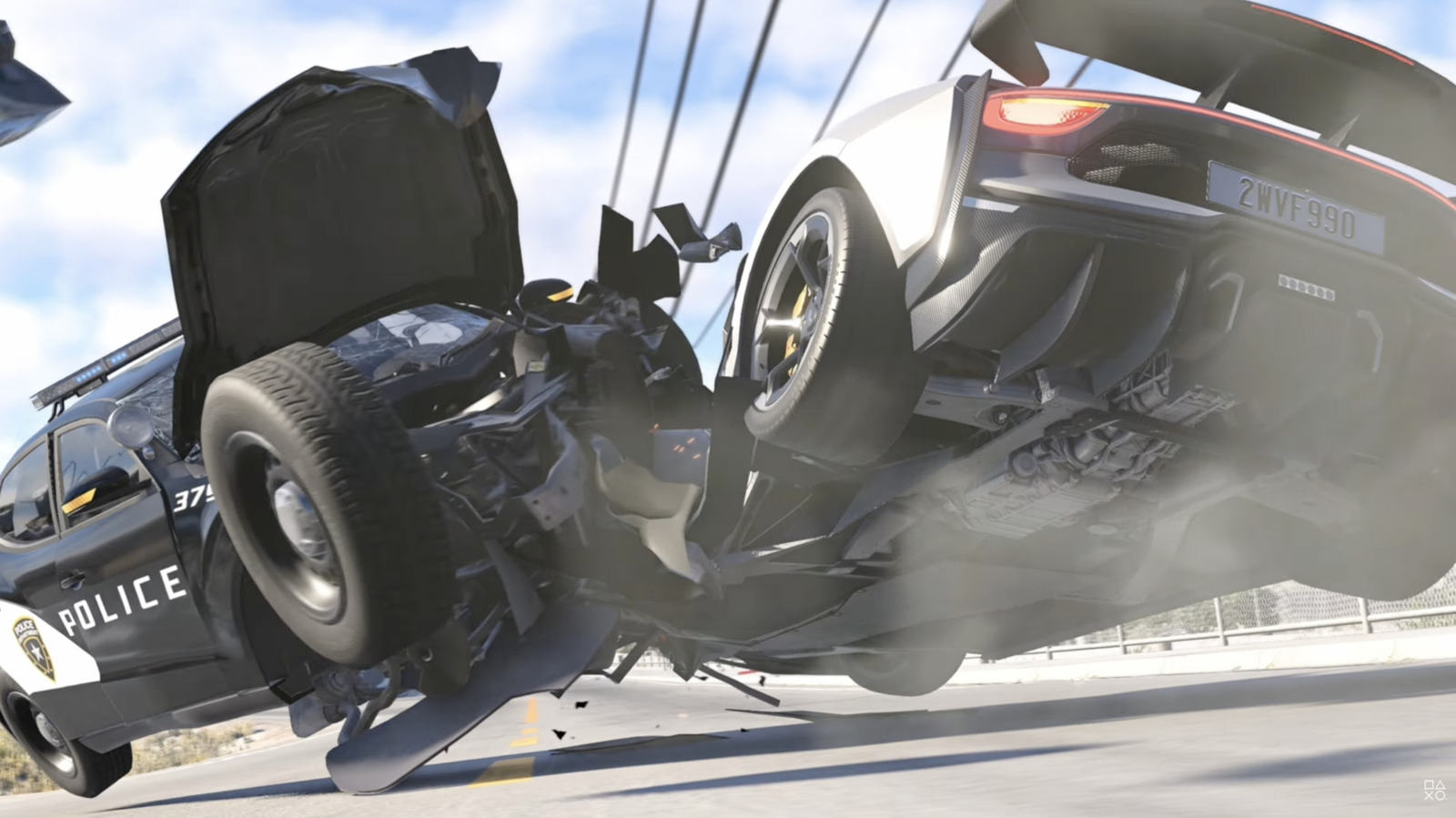
BeamNG.drive is set to launch on PlayStation 5 later in 2026, ending its PC-only exclusivity and expanding access to its physics-based driving simulator. The game’s core appeal is its real-time soft-body crash physics, with 2 kHz simulation updates and highly detailed vehicle damage modeling. This is a product-launch update rather than a financially material event, with limited expected market impact.
This is less a gaming headline than a proof point for the commercialization of high-fidelity physics simulation. The first-order beneficiary is Sony's content ecosystem: a technically differentiated, non-licensed driving title can widen the PS5 catalog in a category that has otherwise become franchise-locked and incremental. More importantly, console distribution gives BeamNG a new monetization lane that could improve the economics of a niche PC-native sim without requiring blockbuster unit volumes.
The second-order effect is on adjacent hardware and software vendors. A game that foregrounds soft-body physics, traffic simulation, and granular vehicle damage is unusually compute-sensitive; if it performs well on PS5, it validates that next-gen console owners will tolerate heavier simulation workloads, which supports continued demand for GPU/CPU uplift in future console cycles. It also raises the bar for rival driving titles: if the market rewards realism over licensing, then studios leaning on branded cars and polished visuals may have to spend more on physics and less on content breadth just to hold share.
The main risk is not launch, but execution quality at launch. A physics-heavy port can stumble on frame stability, loading times, and control feel, and those issues would matter more on console than PC because the average buyer has lower patience for tuning and modding. The catalyst window is months, not days: pre-launch wishlist momentum, preview coverage, and any evidence of PS5 performance will determine whether this becomes a niche curiosity or a durable franchise extension.
The contrarian angle is that this may be a better signal for simulation as a category than for BeamNG specifically. If consumers show willingness to pay for a no-license, damage-centric driving game, the underappreciated winner could be the broader ecosystem of physics middleware, QA/performance optimization tools, and console ports of previously PC-only sims. The market may be overestimating how much this cannibalizes existing racing titles; in practice, it likely expands the addressable audience by creating a distinct "crash sandbox" use case.
AI-powered research, real-time alerts, and portfolio analytics for institutional investors.
Request TrialOverall Sentiment
mildly positive
Sentiment Score
0.20
