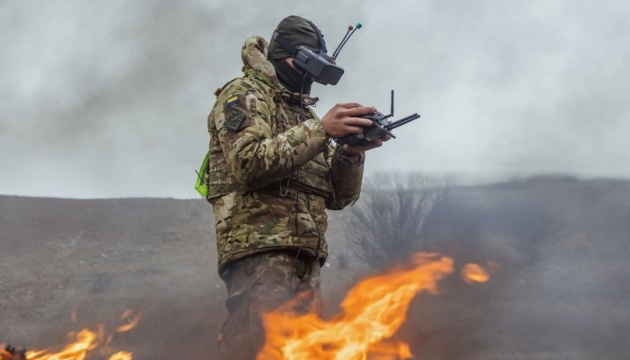
The Ukrainian General Staff reported roughly 200 combat engagements on Jan. 11, with Russian forces conducting 48 airstrikes (dropping 129 guided aerial bombs), using 1,868 attack drones and carrying out 2,121 shelling attacks across multiple sectors. Fighting was concentrated in the Pokrovsk sector (43 assaults) where Ukrainian forces said they neutralized 85 Russian troops (53 killed) and destroyed 21 drones, while clashes and airstrikes continued in several other sectors, underscoring sustained frontline pressure and ongoing regional security risk.
Market structure: Active, high-intensity fighting (massive drone use, guided bombs, sustained assaults) mechanically favors defense primes (air‑defense, munitions, ISR/drone suppliers) and commodity producers of metals/fertilizer/grain while hurting regional infrastructure, travel/tourism, and Ukraine‑exposed local businesses. Expect pricing power to shift toward firms with ready-made inventory and manufacturing scale (Lockheed/LMT, RTX, NOC) as emergency orders compress supply and push munitions/air‑defense kit prices +20–40% in stressed supply scenarios over months.
Risk assessment: Tail risks include (1) escalation to NATO airspace incidents or strikes on export infrastructure causing oil/gas/wheat shocks, (2) broader sanctions cutting energy flows — each could add +$5–$15/bbl to oil and +20–50% to key ag/metal prices in weeks. Immediate (days) = risk‑off/flight to USD/Treasuries/gold; short (weeks–months) = spikes in defense order flow and commodity volatility; long (quarters+) = durable budget reallocation if Western funding persists. Hidden dependencies: munitions stockpiles, industrial capacity and political funding votes; catalysts are congressional/EU appropriation votes, publicized order announcements, or a negotiated ceasefire.
Trade implications: Favor concentrated, size‑controlled long exposure to large defense primes and commodity hedges while hedging rates/FX; avoid one‑way exposure to small drone names and Ukraine‑local equities. Implement option structures to express asymmetric upside: 6–12 month call spreads on RTX/LMT to capture order announcements while capping premia; add tactical long wheat and gold exposure and a USD/Treasury hedge to offset macro risk.
Contrarian angles: Consensus may overpay small drone/sensor specialists — durable wins go to scale players that can deliver ammunition and integrated air defense. Historical parallels (2014/2022) show defense rallies can be front‑loaded and mean‑revert if supply/capex lags; unintended consequence is that rising rates and inflation from commodity shocks can blunt equity gains. Define hard stop/triggers (ceasefire >14 days, 10Y >4% or defense order shortfall) to exit quickly.
AI-powered research, real-time alerts, and portfolio analytics for institutional investors.
Request DemoOverall Sentiment
moderately negative
Sentiment Score
-0.60
