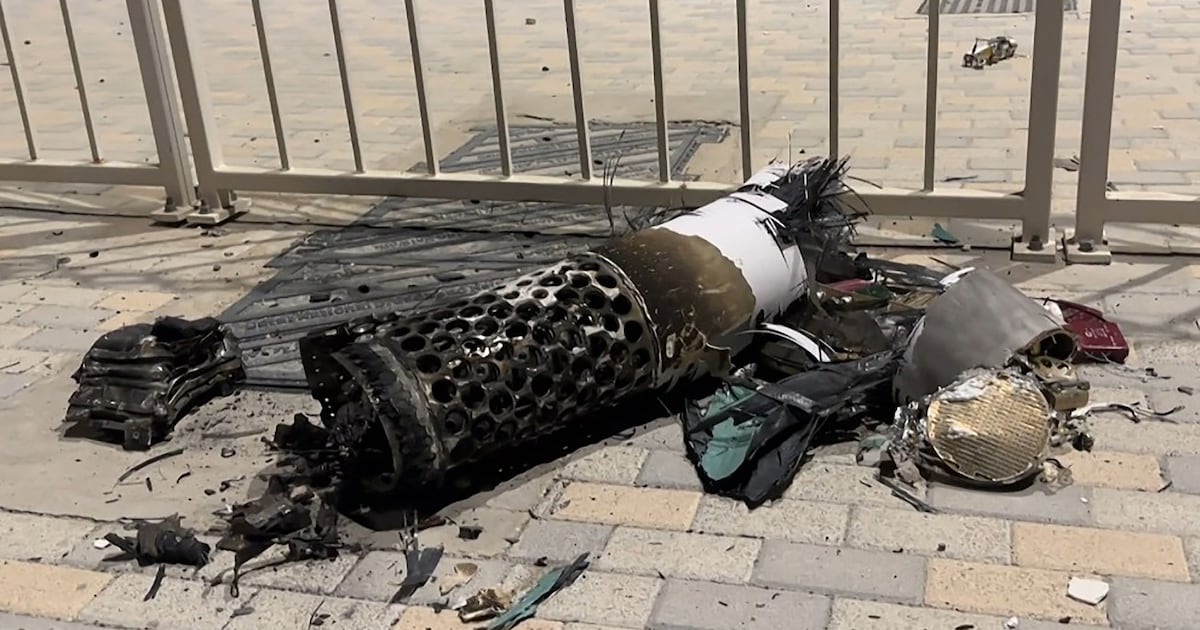
Qatar's Foreign Ministry provided a detailed account of Iran's recent missile attack on Al Udeid airbase, a retaliation for US strikes, which caused significant economic and reputational disruption for Doha despite successful missile interception. Qatar, prioritizing de-escalation, subsequently brokered a ceasefire between Iran and Israel, leveraging this diplomatic momentum to push for the resumption of US-Iran nuclear talks. The incident underscores the volatile regional security landscape and Qatar's critical role in mediating de-escalation, with lasting peace contingent on broader diplomatic engagement, including on the Gaza conflict.
The recent Iranian missile attack on Qatar's Al Udeid airbase, a direct retaliation for US strikes, has underscored the region's heightened geopolitical fragility despite a subsequent ceasefire. While Qatari and US forces successfully intercepted 19 of 20 missiles using Patriot defense systems, Qatari officials emphasized the event was 'not harmless,' citing significant economic costs from a six-hour airspace closure and reputational damage to its status as a safe hub. This incident occurred within a broader Iran-Israel conflict that had already threatened vital energy infrastructure, specifically an Israeli strike on the South Pars gas field which is connected to Qatar's own North field. Qatar's strategic decision to pursue de-escalation, culminating in its successful mediation of an Iran-Israel truce at the request of the US, solidifies its role as a critical diplomatic arbiter. However, the durability of this peace is precarious, as it is explicitly contingent on the resumption of US-Iran nuclear negotiations, where Iran's demand for sanctions relief as a precondition presents a significant hurdle.
AI-powered research, real-time alerts, and portfolio analytics for institutional investors.
Overall Sentiment
Mixed
Sentiment Score
-0.10
Ticker Sentiment
