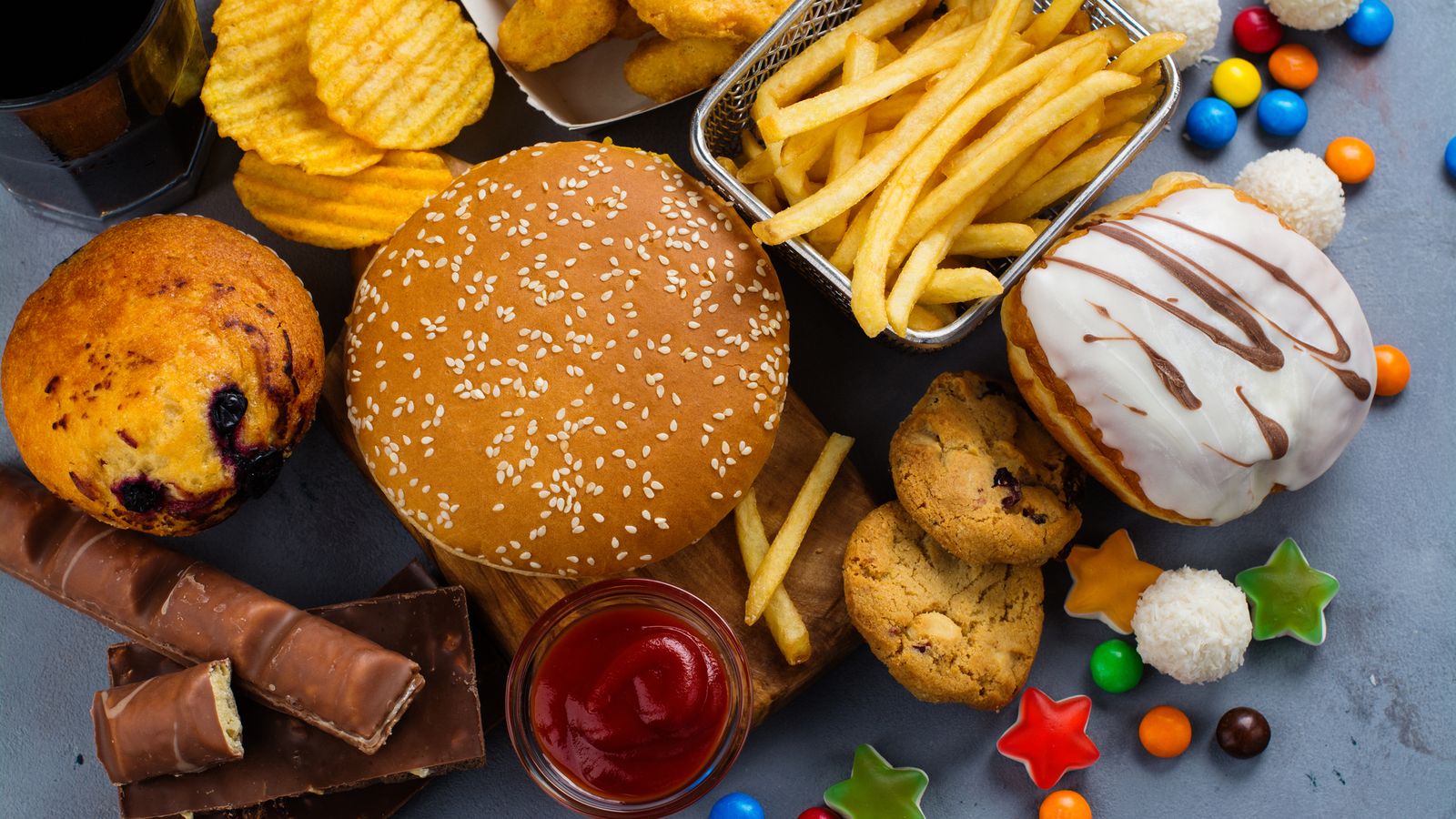
A UK government ban on HFSS (high in saturated fat, salt and sugar) advertising has come into full effect, blocking ads for products in 13 categories — including soft drinks, chocolate, breakfast cereals, pizzas, cakes and certain yoghurts — from TV between 05:30 and 21:00 and from online at any time; products will be screened via a nutrient scoring tool and enforcement will be by the Advertising Standards Authority. The government estimates the measure could prevent about 20,000 cases of childhood obesity (current data cited: one in 10 reception-aged children obese, one in five children with tooth decay by age five), notes obesity costs the NHS over £11bn annually, and is coupling the move with a new sugar tax on milkshakes and lattes — a development that implies modest downside risk to HFSS food & beverage manufacturers and media ad revenues, and potential upside for reformulated products.
Market structure: The ban re-allocates advertising share away from HFSS brands (soft drinks, confectionery, sweet cereals) toward healthier SKUs, private-labels and in-store/promotional channels. Expect modest revenue headwinds for category-focused food & beverage manufacturers and a small but concentrated ad-revenue hit to UK broadcasters/online platforms over the next 1–4 quarters; ad demand may shift to sponsorships and product placement, preserving some margin for large omni-channel retailers.
Risk assessment: Tail risks include rapid policy escalation (broader media, stricter nutrient thresholds) or cross-border/streaming workarounds; both could materially worsen sales for exposed manufacturers. Immediate impact (days–weeks): ad campaigns pulled and Q1 revenue guidance revisions; short-term (3–6 months): reformulation costs and promotional mix change; long-term (12–36 months): sustained volume losses for non-reformulated SKUs but opportunity for healthier product premiums.
Trade implications: Direct losers are concentrated HFSS players and UK-centric soft-drink suppliers; modest pressure on ad-dependent broadcasters. Winners are large grocery retailers with private-label agility (Tesco, Sainsbury’s) and global food groups that can reformulate at scale (Danone, Nestlé) or shift marketing to non-banned formats. Expect margin compression for mid-sized specialist confectioners and increased capex/R&D spend among majors.
Contrarian angles: The consensus underestimates manufacturers’ ability to reformulate pricing and product-pack strategies — history (tobacco/alcohol advertising limits) shows incumbents protect pricing via trade promotions and in-store placement. Unintended consequence: heavier in-store promotions and price-cutting could compress retailer/manufacturer margins more than top-line loss; this implies selective shorting of specialists vs. long selective retailers and reformulators.
AI-powered research, real-time alerts, and portfolio analytics for institutional investors.
Request DemoOverall Sentiment
neutral
Sentiment Score
-0.12
