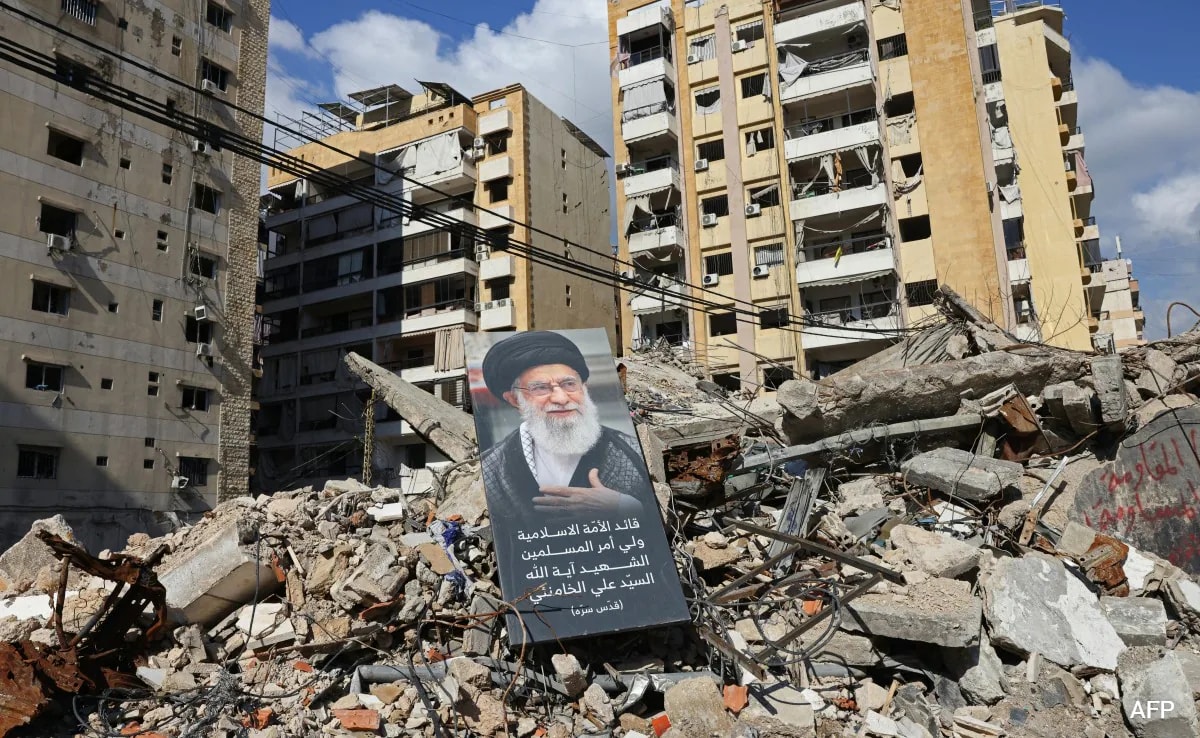
Iran's ultra-hardline Jebhe-ye Paydari faction is escalating opposition to US talks, accusing negotiators of collusion and demanding a deal only by 'defeating' Washington. The group has used media, parliament and large Tehran rallies to pressure the government, with criticism now spilling over from rival conservatives. The dispute raises political risk around Iran-US nuclear negotiations, but the immediate market impact is likely limited and indirect.
The key market implication is not the headline diplomatic noise, but the growing probability that any US-Iran channel becomes non-linear and starts/stops around internal regime factional fights rather than a clean negotiating arc. That raises the discount rate on any near-term détente premium across risk assets tied to Iran relief: sanctions-sensitive EM FX, regional credit, and energy logistics all face a higher chance of false starts and sudden repricing over days to weeks.
Second-order, the hardline campaign increases the odds that the regime leans on asymmetric escalation to prove resolve if talks stall, which matters more for shipping and insurance than for crude outright in the first instance. The most exposed assets are Gulf tanker routes, war-risk premia, and anyone with inventory or procurement exposure to Middle East transit disruption; the market often underprices this because the first response is political theater, but the second response can be a targeted incident that widens spreads for 1-3 months.
The internal Iranian split also weakens the probability that any negotiated window produces durable sanctions relief. Even if technical progress occurs, implementation risk rises materially, meaning any rally in Iranian-exposed assets should be treated as a fade unless there is visible buy-in from the hardline media/parliament/security ecosystem over several weeks. That argues for viewing this as a volatility event, not a directional macro regime change.
Contrarianly, the current market may be overreacting to the rhetoric if it assumes talks are dead rather than bargaining harder. In the near term, the hardliners’ incentive is to raise the price of compromise before settlement, so the highest-probability outcome may be headline escalation followed by a narrower deal attempt, not outright collapse. The right expression is to own convexity around the negotiation calendar rather than a simple outright geopolitical short.
AI-powered research, real-time alerts, and portfolio analytics for institutional investors.
Request DemoOverall Sentiment
moderately negative
Sentiment Score
-0.45
