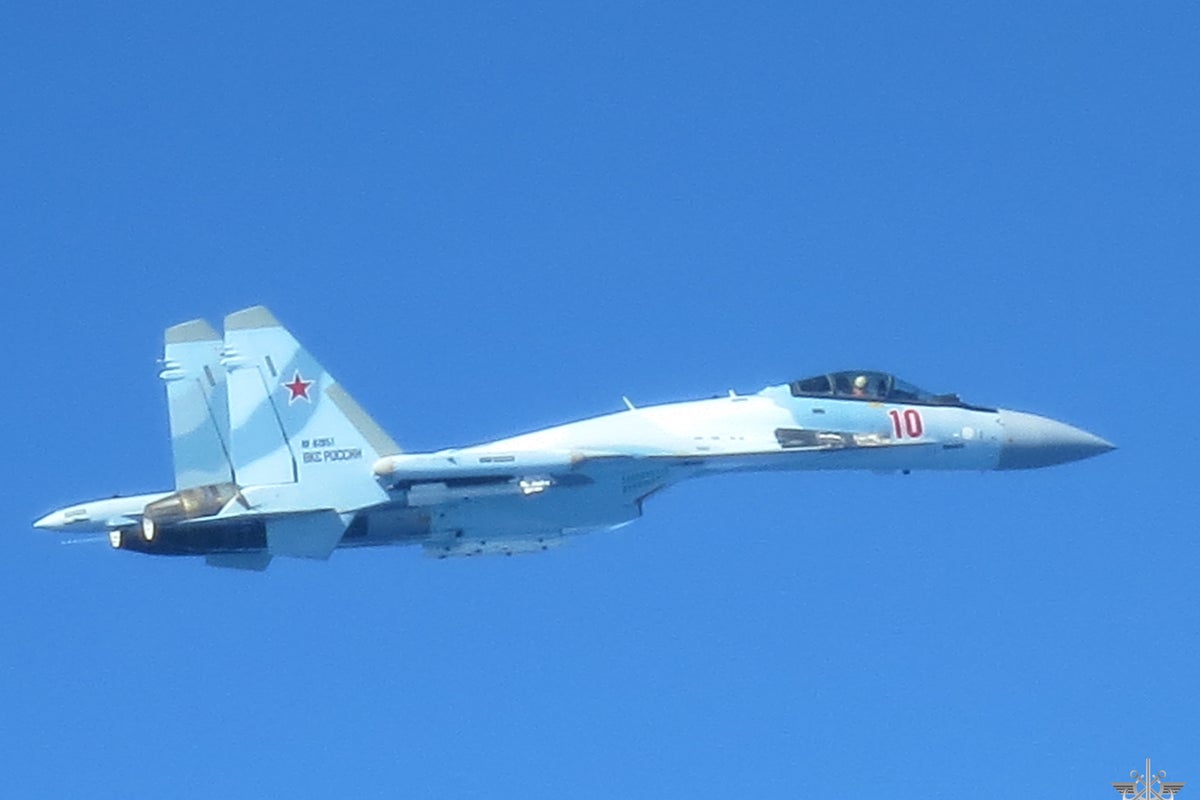
NATO scrambled French Rafale jets and allied aircraft to intercept two Tu-22M3 bombers and about 10 Russian fighters over the Baltic Sea on Monday. The Russian Defense Ministry said the long-range bomber flight was scheduled and lasted over four hours in neutral airspace, while NATO said the planes were being monitored under routine air-policing procedures. The incident underscores persistent military tension on NATO’s eastern flank and keeps defense readiness in focus.
This is less a one-off air-policing headline than a reminder that the Baltic remains the most compressible theater for inadvertent escalation: short flight times, dense military traffic, and recurring contact between NATO and Russian assets create a low-latency decision environment where a procedural mistake can become a market event. The immediate winners are not defense primes broadly, but specific enablers of readiness—airborne surveillance, secure communications, electronic warfare, and missile inventory replenishment—because the value shifts from “platform count” to “time-to-intercept” and sustainment of high sortie rates.
The second-order effect is on European force posture budgets, especially among front-line states that must maintain persistent alert rotations without degrading broader air defense coverage. That favors contractors with exposure to munitions, ISR, and command-and-control integration more than long-cycle fighter OEM narratives; the bottleneck is increasingly sensors, integration, and missile stockpile depth, not airframe procurement alone. If this pattern persists, expect procurement to skew toward lower-unit-cost attritable systems and layered air defense, which is structurally better for names tied to radar, missiles, and counter-UAS than for pure fighter manufacturers.
The risk is not immediate kinetic conflict but escalation of operational tempo: more scrambles, more maintenance wear, and higher readiness costs over weeks to months. That can bleed into European budget discussions and reinforce the case for higher NATO spending targets, but the trade only works if the situation remains contained; any de-escalatory channel or explicit Russian scheduling transparency would reduce the urgency premium quickly. Contrarian view: the market may overestimate the durability of the headline’s defense premium, because repeated incidents often become background noise unless they change procurement cadence or trigger an actual air defense mishap.
AI-powered research, real-time alerts, and portfolio analytics for institutional investors.
Request TrialOverall Sentiment
neutral
Sentiment Score
-0.10
