



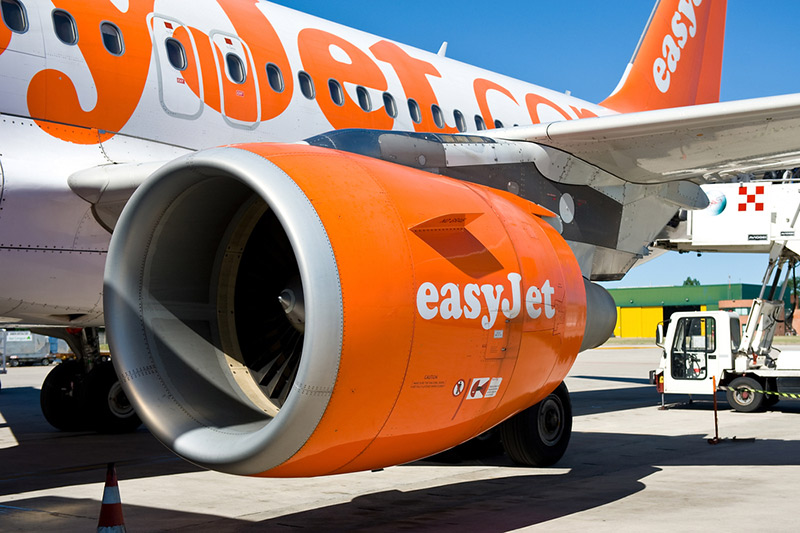
EasyJet shares jumped 9.4% to 435.2 pence after Castlelake confirmed it is weighing a possible takeover, with any firm bid due by June 26 under U.K. takeover rules. A proposal would need to value easyJet at at least £3.06 billion, or 403.23 pence per share, and the board said it would consider any formal offer. The move reflects takeover speculation rather than fundamentals, but it materially lifted the stock and may keep it trading above the minimum offer floor.
This is less a fundamental rerating of the airline and more a classic takeover optionality squeeze. The market is paying for a legal-process catalyst with a hard deadline, which tends to compress into a binary setup: if no formal bid appears, the stock can mean-revert quickly as event premium evaporates; if a bid does emerge, the floor becomes a negotiation anchor rather than a ceiling. The key second-order effect is that any credible sponsor interest can reset valuation for the entire European leisure-transport basket by showing that balance-sheet stress and geopolitics are creating entry points rather than just earnings headwinds.
The move also highlights a subtle winner/loser dynamic inside the capital structure and peer set. A private-equity-style buyer is more likely to underwrite normalized earnings than current public investors, so the market may be discounting a larger gap between management’s long-duration value case and the public market’s risk-off price. That said, the presence of an existing stake and a formal deadline raises the odds of a tactical transaction structure, not necessarily a clean full takeout, which means spread participants should be thinking in probability-weighted terms rather than headline premium.
The contrarian issue is timing: if oil and broader geopolitical risk keep worsening, airline margins can deteriorate fast enough to make the equity look cheaper on the surface while bid economics become harder to justify. In that scenario, the stock can give back a meaningful chunk of the pop even if takeover chatter persists. The market is likely overestimating certainty of a bid and underestimating the chance of a structured alternative, delay, or walk-away, all of which would leave the shares exposed once the event window closes.
AI-powered research, real-time alerts, and portfolio analytics for institutional investors.
Overall Sentiment
mildly positive
Sentiment Score
0.42
Ticker Sentiment
