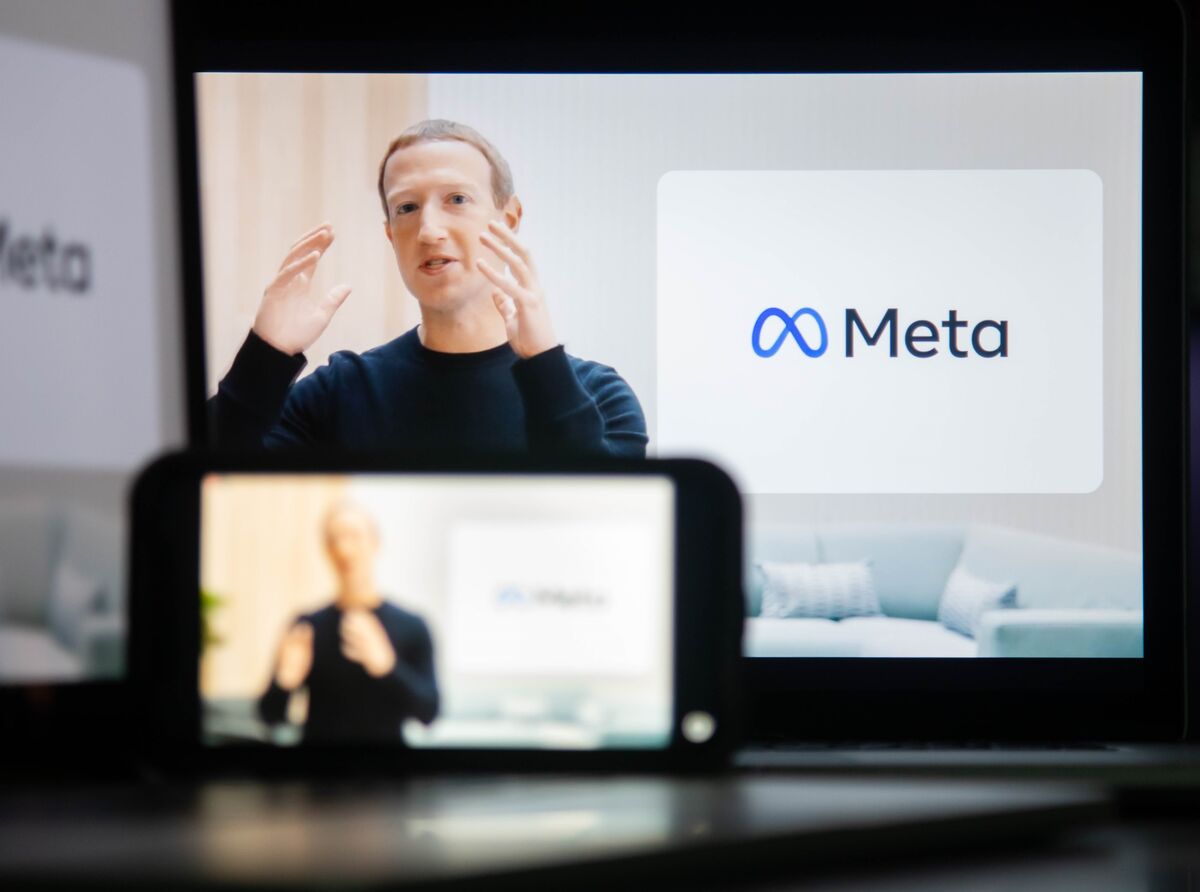
Meta Platforms is planning significant cutbacks to its metaverse initiatives, with executives considering budget reductions of as much as 30% next year for the metaverse group that includes Meta Horizon Worlds and the Quest VR unit. Management signals the move as a retreat from prior heavy investment in virtual reality, and cuts of that magnitude would likely entail layoffs as early as January, altering resource allocation and near-term growth investments for the company.
Market structure: Meta’s announced potential 30% cuts to its metaverse group benefits advertisers and cash-flow-sensitive investors by re‑allocating capital toward higher ROI businesses (ads/AI); it hurts VR hardware suppliers, small XR studios and contract manufacturers exposed to Quest volume (expect 20–40% revenue pressure for niche suppliers over 3–6 months). Competitive dynamics shift incremental share toward entrenched cloud/AI incumbents (MSFT, GOOGL) and device leaders (AAPL) as Meta de‑prioritizes a capital‑intensive platform, lowering Meta’s forward capex and raising short‑term margin leverage. Supply/demand: this signals demand for consumer VR remains below supply, implying inventory destocking and price competition into 2H25; semiconductor content per unit may fall, pressuring certain suppliers’ booking cadence in next 1–3 quarters. Risk assessment: tail risks include a larger-than‑expected goodwill/asset write‑down (> $5–10B), a wider guidance cut that triggers multiple analyst downgrades, or regulatory scrutiny if layoffs draw political pushback; low‑probability but high‑impact outcomes could move shares 20–40% in either direction within months. Time horizons: immediate (days) — volatile repricing; short (weeks–months) — guidance and earnings reaction; long (quarters–years) — strategic pivot to AI/ads could restore growth within 2–4 quarters if reinvestment is disciplined. Hidden dependencies: layoffs could hollow out AI/metaverse talent, slowing product roadmap and enabling competitors; supply‑chain contract terms (minimum buys) may force additional write‑downs. Catalysts: Q4 earnings, FY26 capex guidance, Apple Vision Pro adoption metrics, and Reality Labs headcount disclosures. Trade implications: direct plays — consider a tactical, size‑capped long in META (1.5–2% net equity) on pullbacks >8% with a 6–12 month horizon to capture margin recovery; short selective VR suppliers (small caps with >30% revenue exposure to Quest) for 3–6 months. Pair trades — long AAPL or MSFT vs short META to express device/AI favoritism; expect relative outperformance if Meta’s cuts slow innovation. Options — buy 6–12 month LEAP calls on META or use call spreads to limit premium, and consider buying puts on small VR suppliers; sell short‑dated covered calls to harvest IV if holding shares. Sector rotation — reduce exposure to consumer hardware and move 2–5% into ad/AI beneficiaries (GOOGL, MSFT, NVDA) over next 1–3 months. Contrarian angles: consensus underestimates the positive FCF impact of big Reality Labs cuts—if Reality Labs capex/opex falls >25% YoY, Meta could reallocate $5–10B to more profitable AI/ads efforts and buybacks within 12 months, creating upside. Reaction may be overdone in small‑cap VR names where valuations already price bankruptcy; large caps like META may be underpriced relative to normalized margins. Historical parallels: Google/Amazon moonshot slowdowns where cuts preceded renewed focus and share gains within 4–8 quarters. Unintended consequences: ruthless cuts risk losing AI talent, handing durable product leadership to MSFT/GOOGL, which would make a short META vs long MSFT profitable if talent loss is confirmed within 3–6 months.
AI-powered research, real-time alerts, and portfolio analytics for institutional investors.
Request DemoOverall Sentiment
moderately negative
Sentiment Score
-0.35
Ticker Sentiment
