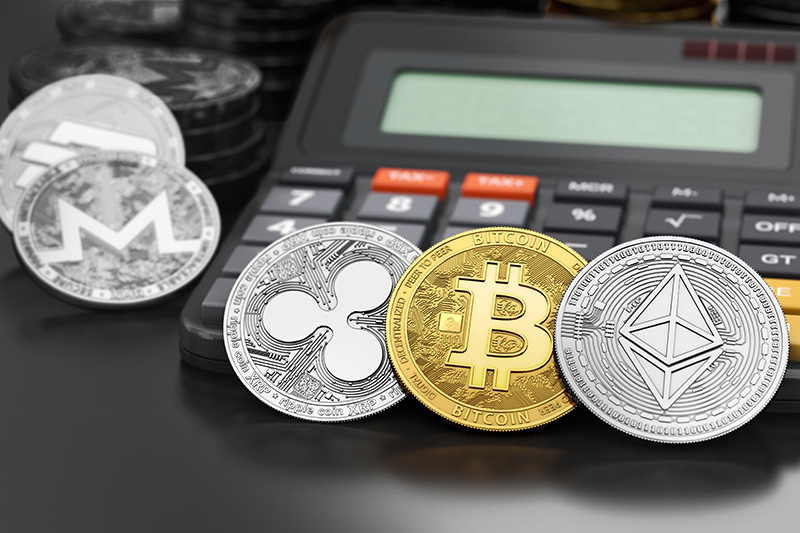
Coins.ph launched QRPh Stablecoin Payment functionality, allowing users to pay in PHP, USDT, USDC, or a hybrid of both within a single checkout flow. The feature is immediately compatible with nearly 700,000 QRPh-enabled merchants, and Coins.ph processed nearly ₱30 billion in QRPh transactions in December 2025 alone. The rollout strengthens crypto utility in everyday commerce in the Philippines and could support higher transaction volumes for the platform.
This is less about a crypto feature and more about a distribution wedge into domestic payments. The second-order effect is that stablecoins stop behaving like a trading instrument and start functioning as a dollarized liquidity rail inside a mass-market wallet, which is structurally bullish for on-chain settlement volume even if end users never think about crypto. The real beneficiary set is not just the wallet owner; it extends to stablecoin issuers, remittance-linked liquidity providers, and any merchant acquirer whose economics improve when funding becomes 24/7 and cheaper to route.
The most important competitive read-through is that this pressures local e-money and bank-led QR ecosystems on two fronts: user retention and float economics. If crypto balances can be spent without a separate cash-out step, the wallet with the best conversion funnel wins share from incumbents that monetize idle fiat balances and interchange-like rails. Over time, the bigger risk for traditional processors is not payment volume displacement overnight, but margin compression as consumers become less sticky to single-rail wallets and more willing to arbitrate between fiat, stablecoin, and cross-border value storage.
From a market perspective, the cleanest setup is to treat this as a positive demand signal for USDT/USDC adoption in emerging markets, but not as a high-conviction catalyst for the article’s named equity tickers. The move is likely underappreciated for transaction-level growth, yet overhyped if investors extrapolate immediately into earnings without seeing sustained merchant activation, retention, and regulatory comfort. The biggest tail risk is policy: if the BSP tightens rules around conversion, disclosures, or refund treatment, adoption can stall quickly; the bigger upside case is that other ASEAN wallets copy the model within 6-12 months and stablecoin payment flows become a regional template.
Near term, expect the fastest benefit to accrue in metrics, not stock prices: TPV growth, active users, and stablecoin balances held at wallet level should inflect before any public-company valuation rerate. The key watch item is whether hybrid checkout materially lowers failed transaction rates and raises average basket size, because that would prove the product is solving a real checkout friction rather than serving only crypto-native users.
AI-powered research, real-time alerts, and portfolio analytics for institutional investors.
Request TrialOverall Sentiment
strongly positive
Sentiment Score
0.72
Ticker Sentiment
