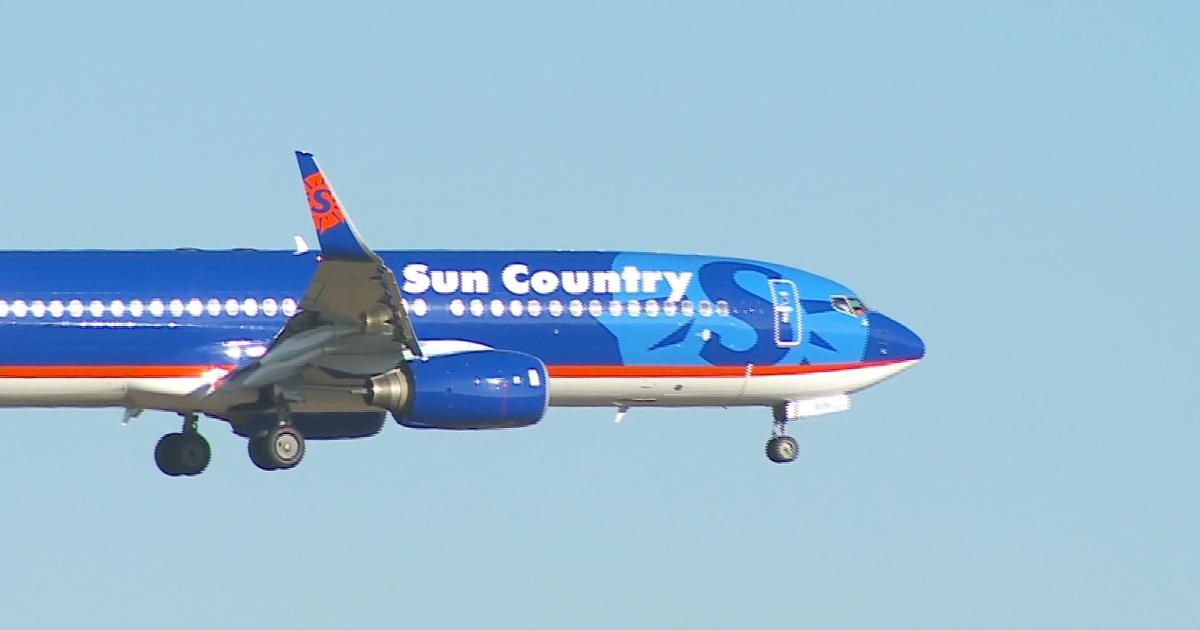
Allegiant completed its $1.5 billion acquisition of Sun Country Airlines, creating a combined fleet of 195 aircraft serving nearly 175 cities. The airlines will continue operating separately for now, with no immediate changes to bookings, rewards programs, staffing, or collective bargaining agreements. Management expects Minneapolis-St. Paul to remain an important operating center while headquarters will be in Las Vegas.
This combination is less about near-term network synergies and more about distribution leverage in a structurally low-margin niche: two subscale leisure carriers can now spread fixed costs across a larger schedule bank, but the real value creation will come only if they can rationalize aircraft utilization and reduce seasonality-driven under-absorption. The merged platform should gain better pricing power on airport contracts, maintenance, and crew scheduling over 12-24 months, but those benefits are typically front-end loaded with integration friction, especially when brands and loyalty programs are kept separate. That implies limited immediate EPS upside despite the positive headline.
The second-order winner is likely not the airline complex broadly, but ancillary suppliers that benefit from a denser combined route map without needing to underwrite merger risk themselves: regional airport operators, ground-handling vendors, and selected aircraft lessors could see higher utilization and fewer idle turns if the carrier successfully re-times capacity. The main loser is the low-cost leisure peer set, because this creates a more credible scale competitor on overlapping leisure routes and increases the likelihood of fare discipline on dense vacation markets. If management executes, the combined company can defend margin even in a softer fare environment; if not, the added complexity of two operating systems under one roof can dilute service reliability and drive couponing.
The key risk is integration slippage over the next two to four quarters: labor peace can hold initially, but cost synergies usually become visible only after fleet, scheduling, and loyalty rationalization, which is where operational errors tend to surface. A less obvious tail risk is that keeping brands separate delays the cross-sell and route-mix benefits, making the merger look more like a financial transaction than an operating one; in that case, the market may start treating the combined entity as a larger but still discount-rated leisure airline rather than a re-rated platform. The setup is constructive, but the market will likely need proof points on unit revenue stability and CASM improvement before awarding multiple expansion.
AI-powered research, real-time alerts, and portfolio analytics for institutional investors.
Request DemoOverall Sentiment
mildly positive
Sentiment Score
0.35
Ticker Sentiment
