
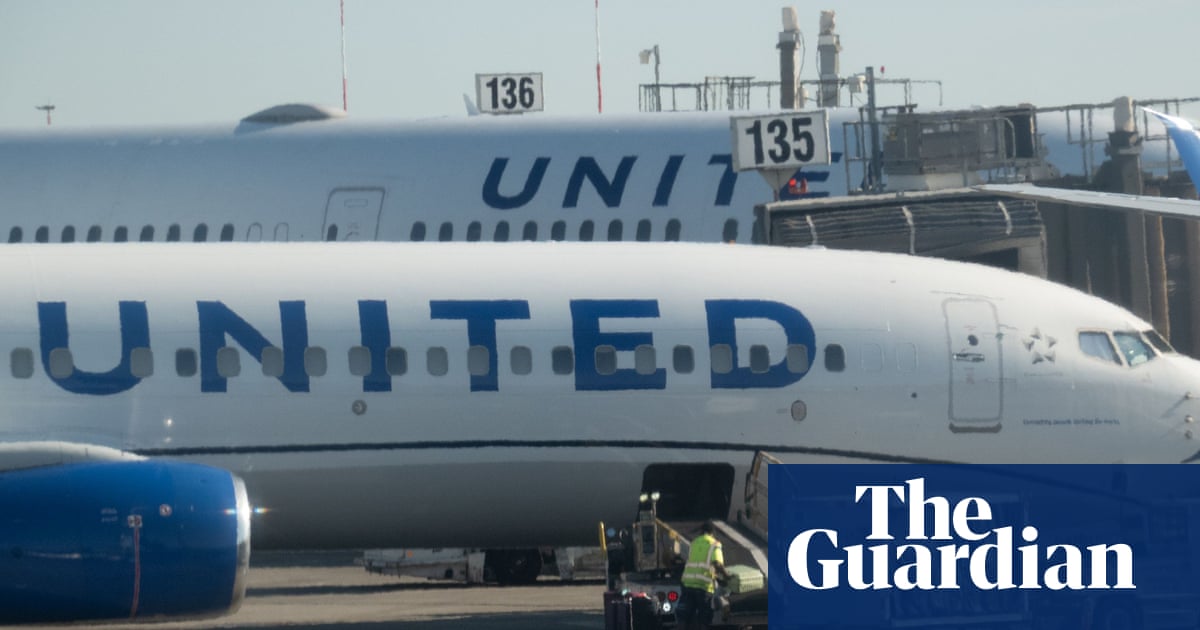
United Airlines flight 2092 was diverted from Chicago O'Hare to Pittsburgh after crew members reported a possible security issue, prompting evacuation via slides and a law enforcement response. FBI agents, bomb technicians, and local police cleared the aircraft with negative results, and passengers were rebooked on another flight. The incident appears operationally disruptive but with limited broader market impact.
Single-flight security events are usually a volatility event for the airline rather than a fundamental earnings event, but the second-order damage is reputational and operational: higher perceived risk can tighten booking behavior on the exact routes with the least schedule flexibility, especially business-heavy Northeast corridors where passengers have more alternatives. The immediate loser is UAL because diversion costs are small, but the more important hit is to near-term load factor and brand trust if corporate travel buyers start adding friction to approvals or choosing carriers with cleaner reliability records.
From a competitive lens, legacy peers with stronger on-time perception and better East Coast schedules can capture marginal share in the next few booking cycles, while airports and security-services vendors may see a tiny but measurable bump in demand for screening and response infrastructure. The airline’s biggest risk is not the incident itself but the compounding effect if regulators or the media keep the story alive; in that scenario, the overhang lasts days to weeks, not quarters, unless a broader security trend emerges.
The market may be underestimating how quickly these events can affect premium-cabin and corporate demand, which is where margin is densest. If there is no follow-on incident and the investigation closes cleanly, the stock should mean-revert quickly because the earnings hit is immaterial; if there is another security-related headline within 30 days, however, the narrative can shift from idiosyncratic noise to system-wide confidence risk, which would pressure the entire airline basket. The contrarian view is that the downside is likely overdone in the first 24-48 hours because the operational response looked effective and the negative results lower the probability of a persistent regulatory issue.
AI-powered research, real-time alerts, and portfolio analytics for institutional investors.
Request TrialOverall Sentiment
neutral
Sentiment Score
-0.10
Ticker Sentiment
