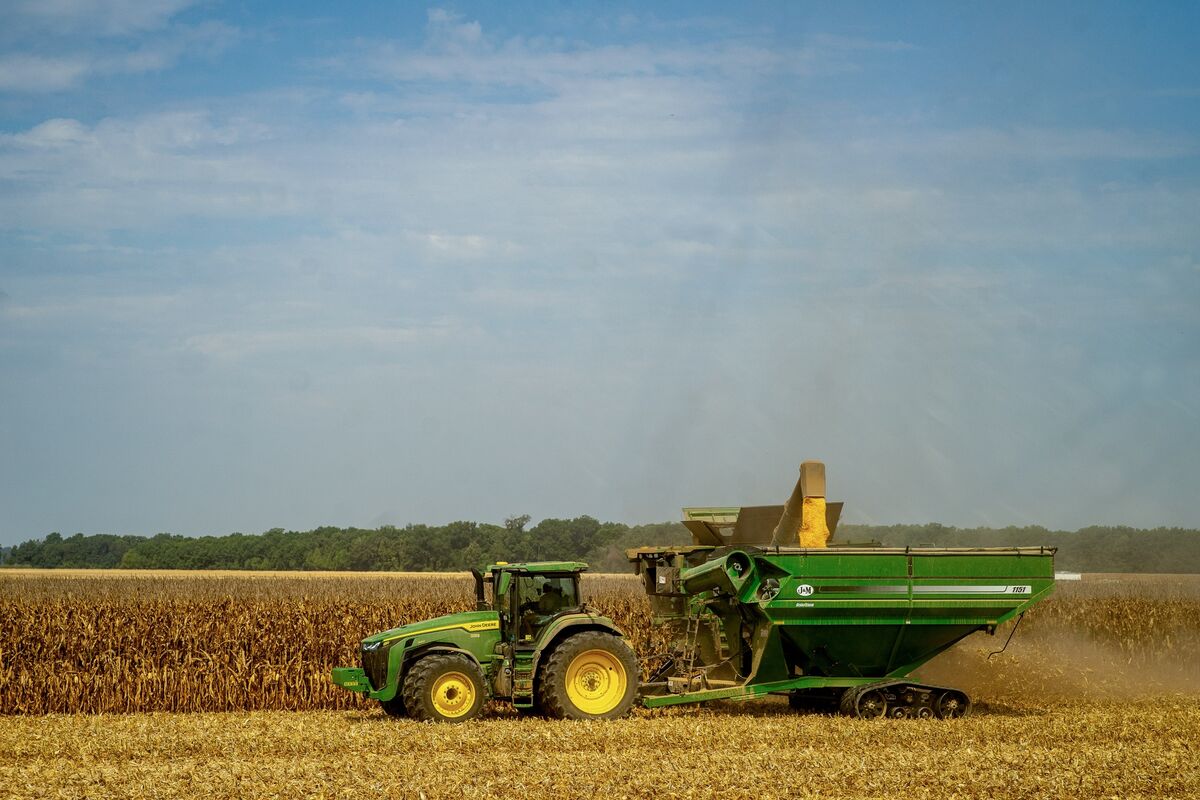
US farmers are significantly curtailing spending, posing a direct threat to the rural economy. This contraction is primarily driven by persistent low crop prices and the adverse effects of trade tariffs, which are severely squeezing the agricultural sector and creating a 'pretty nasty' market for American crops, as reflected in the subdued sentiment observed at the recent Farm Progress Show.
The U.S. agricultural sector is exhibiting clear signs of financial distress, primarily manifested through a significant pullback in farmer spending. This contraction poses a direct threat to the broader rural economy. The core drivers of this downturn are a combination of persistently low crop prices and the adverse impact of trade tariffs, which have created what farmers describe as a 'pretty nasty' market environment. The sentiment, confirmed as 'strongly negative' with a score of -0.7, was palpable at the recent Farm Progress Show in Illinois, where the mood was notably 'subdued.' This indicates that the financial pressure on farmers is translating into a widespread loss of confidence, which will likely suppress capital expenditures and investment within the agricultural industry and its ancillary sectors for the foreseeable future.
AI-powered research, real-time alerts, and portfolio analytics for institutional investors.
Request DemoOverall Sentiment
strongly negative
Sentiment Score
-0.70
