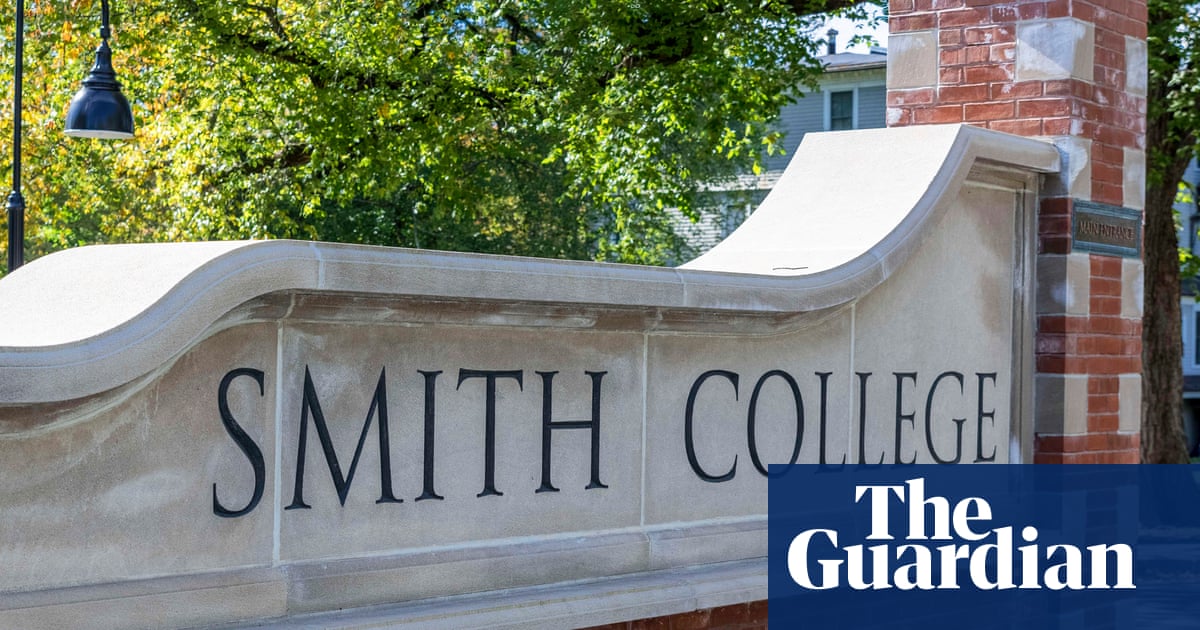
The US Education Department has launched a Title IX investigation into Smith College over its admission of transgender women, alleging the policy may conflict with federal law governing single-sex institutions. Smith says it has received notice and will not comment on the pending inquiry. The case adds to the Trump administration’s broader push against transgender participation in education and public life, but is unlikely to have material market impact.
This is less a campus-specific headline than a signal that the administration is broadening the perimeter of regulatory enforcement into the governance layer of higher education. The near-term market impact is probably limited, but the second-order effect is that boards of nonprofit institutions with any exposure to DEI, admissions criteria, housing, or athletics will now price a higher probability of investigations, donor pressure, and legal spend. That tends to favor institutions with stronger balance sheets and endowments, while smaller regional colleges face a much sharper downside because even a low-probability federal action can impair enrollment and fundraising for multiple cycles.
The most important mechanism is not the policy itself but the precedent it sets for selective enforcement. Once one institution is targeted, peer schools may preemptively tighten admissions language, athletics policies, and housing rules to reduce headline risk, which can create a broader chilling effect across private education governance. That is a slow-burn negative for education-services vendors, legal-adjacent consultants, and colleges reliant on out-of-state demand, because compliance ambiguity increases the cost of acquisition and retention in a highly price-sensitive market.
Catalyst risk is highest over the next 1-3 months as additional complaints or copycat investigations could emerge. If the administration escalates to funding threats or adverse court rulings, the issue becomes materially more expensive for higher-ed operators; if courts or NCAA policy provide clearer safe harbors, the story fades quickly and the trade becomes idiosyncratic rather than sectoral. The contrarian view is that the market may overestimate the breadth of spillover: elite private colleges with large endowments can absorb legal and reputational costs, so the real fragility sits in lower-quality, tuition-dependent schools rather than the sector at large.
AI-powered research, real-time alerts, and portfolio analytics for institutional investors.
Request DemoOverall Sentiment
mildly negative
Sentiment Score
-0.15
