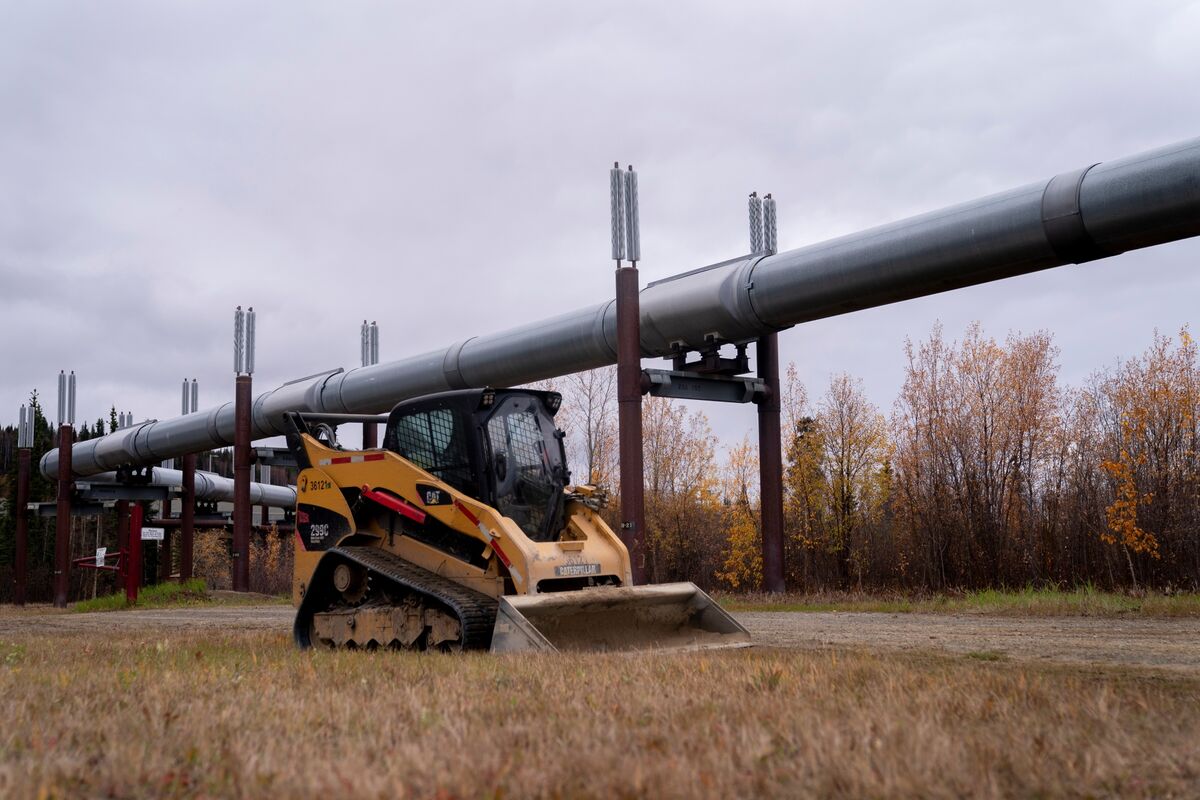
The Trump 2.0 administration is adopting a 'light touch' approach to pipeline safety oversight, evidenced by the lowest number of enforcement cases opened in at least two decades. This significant shift in regulatory posture could have implications for the operational environment and compliance costs of oil and gas pipeline infrastructure.
A notable shift in regulatory policy is underway, characterized by a 'light touch' approach to pipeline safety oversight. This is substantiated by a key metric indicating the number of enforcement cases initiated is the lowest in at least two decades. For operators in the oil and gas pipeline sector, this reduction in enforcement can translate directly to lower compliance-related expenditures and a decreased risk of financial penalties, potentially improving operating margins. While the market sentiment is mildly positive, reflecting these near-term cost benefits, a sustained decrease in oversight could elevate long-term operational, environmental, and reputational risks. This development is a critical data point for investors focused on the energy infrastructure space, highlighting the direct impact of domestic policy on the sector's financial and risk profile.
AI-powered research, real-time alerts, and portfolio analytics for institutional investors.
Request DemoOverall Sentiment
mildly positive
Sentiment Score
0.25
