
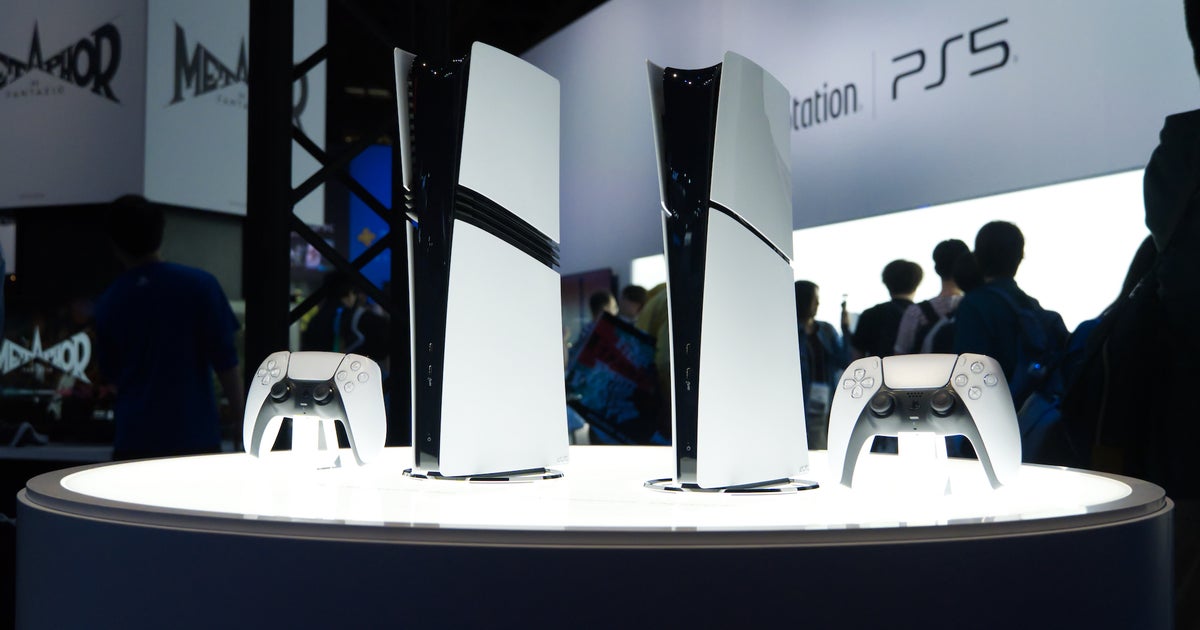
US weekly PS5 hardware spending reportedly nearly doubled versus the same week a year ago as gamers rushed to buy before Sony's April 2 price increases of $100 for the base and digital PS5 and $150 for the PS5 Pro. The article also notes Sony's Game & Network Services operating income rose 27% to ¥409.1 billion ($2.6 billion) in the last reported nine-month period, even as PS5 unit sales fell 15.7%. The news is mostly a demand-and-pricing update, with additional concern around a potential console rollout delay tied to a memory shortage.
The immediate winner is not just Sony’s hardware revenue, but the installed-base economics around PSN, first-party content, and accessories. A price-led spike in unit demand usually pulls forward purchases rather than creating durable incremental demand, so the near-term read-through is better for top-line timing than for lifetime value unless Sony can convert this into higher attach rates over the next 2-4 quarters. The second-order benefit goes to the broader console supply chain in the very near term, but that effect fades quickly once the pull-forward clears.
The bigger issue is margin structure: Sony is using price as a blunt tool to offset FX, input, and launch-cycle pressure, but that can be value-destructive if the market starts to treat PlayStation as a quasi-utility with elastic demand at the margin. The risk is that a second price increase in 12 months trains consumers to delay upgrades and forces retailers to rely on promotions later this year, especially if macro weakens into holiday planning. That would show up first in channel inventory data and hardware sell-through, then in software engagement with a lag.
The most underappreciated catalyst is the next-generation timing risk. If memory scarcity is already pushing out the next cycle, Sony may be forced into a longer period of monetizing an aging platform, which helps near-term margins but increases the probability of a console mid-cycle demand air pocket. Competitively, any delay disproportionately helps rivals with more flexible manufacturing or lower hardware dependency, while also improving the economics for PC and mobile publishing as consumers defer fixed-box upgrades.
Consensus is likely overcalling the strength of the price-hike spike and undercalling the risk of demand destruction in the out quarters. The right lens is not “higher PS5 prices are good for Sony,” but “higher prices buy time, at the cost of pulling forward revenue and weakening the next two quarters of organic growth.” That makes the setup tactically favorable only if you fade the post-spike enthusiasm before the market starts to extrapolate it into a sustainable trend.
AI-powered research, real-time alerts, and portfolio analytics for institutional investors.
Request TrialOverall Sentiment
neutral
Sentiment Score
0.10
Ticker Sentiment
