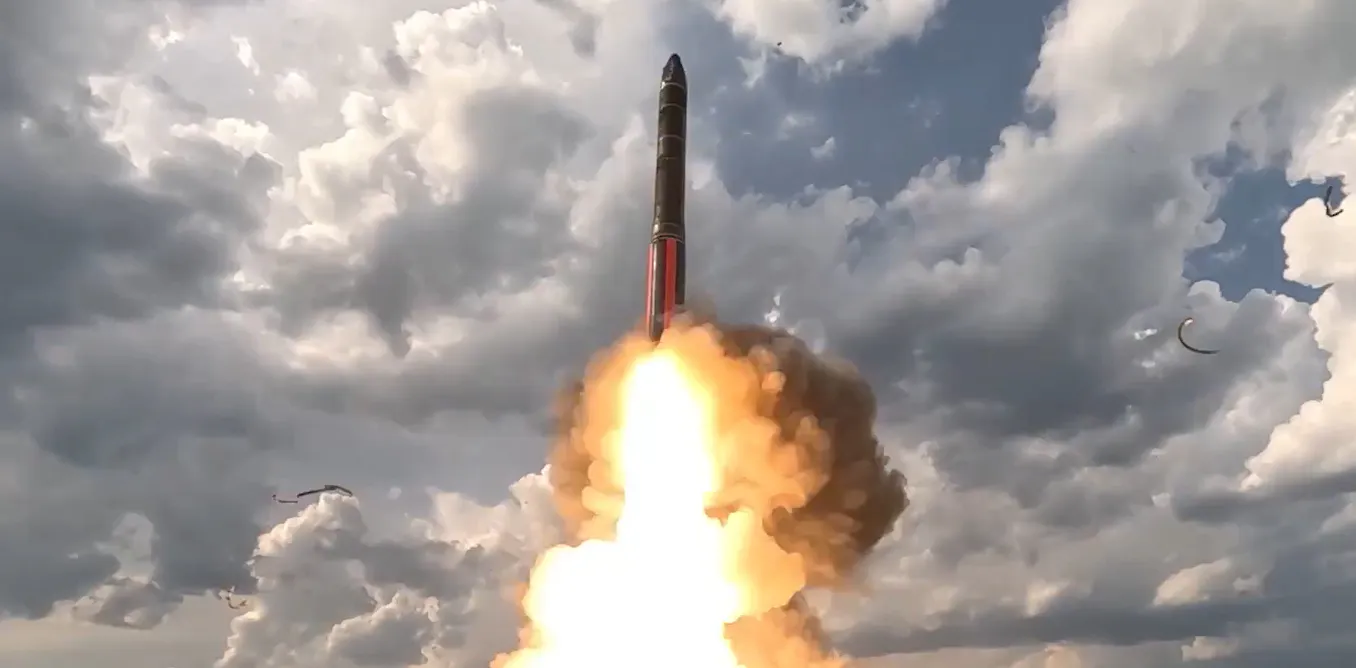
The latest UN Nuclear Non-Proliferation Treaty review conference ended without any agreed outcome, marking the third straight failure and underscoring stalled disarmament progress. The article highlights escalating nuclear risks as Russia, the US, France and others expand or signal renewed nuclear-capable activity, while criticizing Australia’s AUKUS-related posture and urging it to join the Treaty on the Prohibition of Nuclear Weapons. The piece is geopolitically important but is unlikely to have an immediate direct market impact beyond defense and regional risk sentiment.
The marketable takeaway is not “no treaty progress” but a further erosion of the credibility of the nuclear order, which increases the probability that more states hedge with latent capabilities, harden command-and-control, and spend more on deterrence infrastructure. That shifts budgets toward defense electronics, missile warning, submarine propulsion, secure communications, and civil defense rather than toward true disarmament enforcement, with the second-order benefit concentrated in prime contractors and nuclear-adjacent capital goods rather than headline weapons makers alone.
The bigger near-term risk is that diplomatic failure becomes a permissive backdrop for escalation signaling among the major powers. That tends to support elevated defense multiples, but it also raises tail risk for energy, industrials, and transport if a regional nuclear incident, sanctions spiral, or accident at a nuclear facility forces abrupt risk-off pricing. The most important horizon is 6-24 months: these processes move slowly until they suddenly don’t, and the catalyst is usually a crisis or a doctrinal change, not another conference.
The article is mildly underpricing the asymmetry around Australia and allied basing. AUKUS-related nuclear ambiguity increases optionality for US force projection, which is positive for infrastructure and defense spending, but it also increases political friction and sovereign-risk discounting for Australian strategic assets if public opposition hardens. The contrarian view is that this failure may be less a leading indicator of imminent proliferation than a symptom of long-running treaty theater; if so, the immediate price impact should be modest and most of the reaction will be in policy-sensitive defense names rather than broad macro hedges.
AI-powered research, real-time alerts, and portfolio analytics for institutional investors.
Request DemoOverall Sentiment
mildly negative
Sentiment Score
-0.35
Ticker Sentiment
