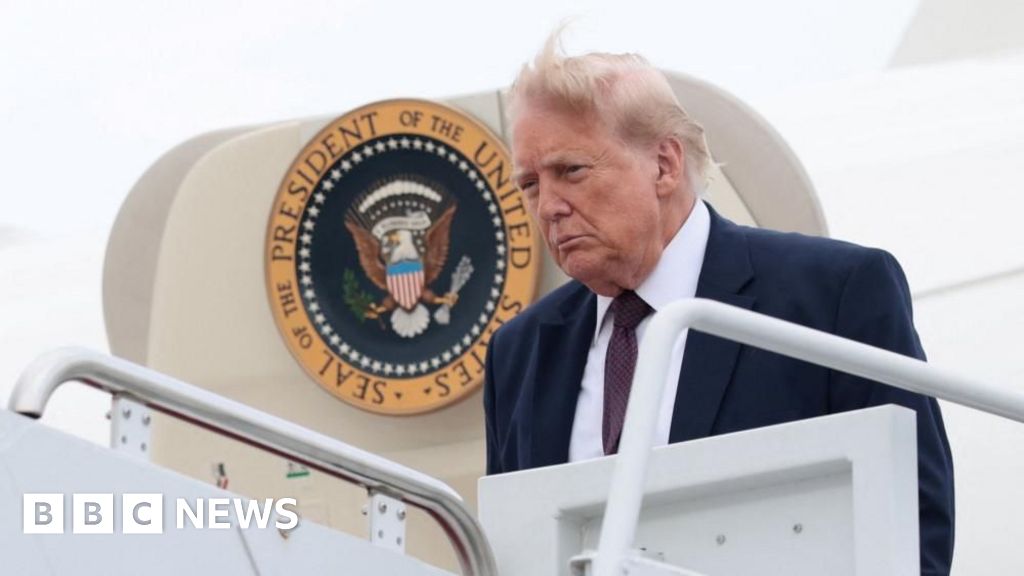
The US Senate passed a 50-48 war powers resolution requiring President Trump to halt military action in Iran or seek congressional approval, marking the first concurrent war powers measure approved by both chambers since 1973. The measure is largely symbolic and will not be sent to the president, but it underscores rising political division over the Iran conflict, which has been ongoing since 28 February and is now approaching its fifth month. The Pentagon also asked Congress for about $80 billion, most of it tied to the war, while the White House says a 7 April ceasefire means there are no hostilities to withdraw from.
The market is likely underpricing the difference between symbolic congressional pressure and actual constraint on executive military flexibility. The near-term signal is not legal force but rising odds of a messy unwind: if the White House needs to preserve face while reducing exposure, it may accelerate procurement, logistics, and contractor spend before any ceasefire/withdrawal narrative hardens. That makes defense cash flows more resilient than the headline suggests, especially for firms exposed to munitions replenishment, ISR, air defense, and sustainment rather than platform builds.
The more interesting second-order effect is fiscal. A large war-related supplemental request, if it stalls, could force funding into stopgap mechanisms that delay payments and widen working-capital needs across the defense supply chain. Prime contractors with strong balance sheets can manage this, but smaller names tied to single-program revenue or fixed-price delivery schedules may face order timing risk over the next 1-2 quarters. Expect dispersion: budget uncertainty tends to compress multiples for high-beta defense suppliers while supporting cash-generative primes with backlog visibility.
Politically, the vote increases the odds that any deterioration in the conflict gets reframed domestically as a governance failure rather than a national-security necessity. That raises tail risk into the November window: a bad headline could push even more Republicans to distance themselves, which would complicate supplemental funding and future authorizations. The contrarian point is that the strongest market reaction may come not from de-escalation, but from the regime shift toward prolonged, lower-intensity commitments that keep fiscal outlays elevated without a clean victory narrative.
AI-powered research, real-time alerts, and portfolio analytics for institutional investors.
Request DemoOverall Sentiment
neutral
Sentiment Score
-0.05
